Press "Enter" to skip to content

Real CBD Oils

Unraveling the Myth – Is CBD Withdrawal a Genuine Concern?

In recent years, CBD (cannabidiol) has surged in popularity as a natural remedy for various ailments, from anxiety and pain to insomnia and inflammation. As more people incorporate CBD into their wellness routines, questions arise about its potential side effects and withdrawal symptoms. Amidst the buzz surrounding CBD, one question looms large: does CBD withdrawal truly occur? Let’s delve into the science behind CBD usage and explore whether withdrawal is a genuine concern.

How CBD Interacts with the Human Body

Firstly, it’s essential to understand how CBD interacts with the body. Unlike its counterpart THC (tetrahydrocannabinol), CBD is non-intoxicating and does not produce the euphoric “high” associated with cannabis. Instead, CBD interacts with the endocannabinoid system, a complex network of receptors found throughout the body that helps regulate various physiological processes, including mood, pain perception, and immune function.

CBD Withdrawal – What You Should Know

Many users turn to CBD for its potential therapeutic benefits, seeking relief from conditions such as chronic pain, anxiety disorders, and epilepsy. However, as with any supplement or medication, there’s always a possibility of dependence or withdrawal when discontinuing use. So, does CBD withdrawal fall into this category?
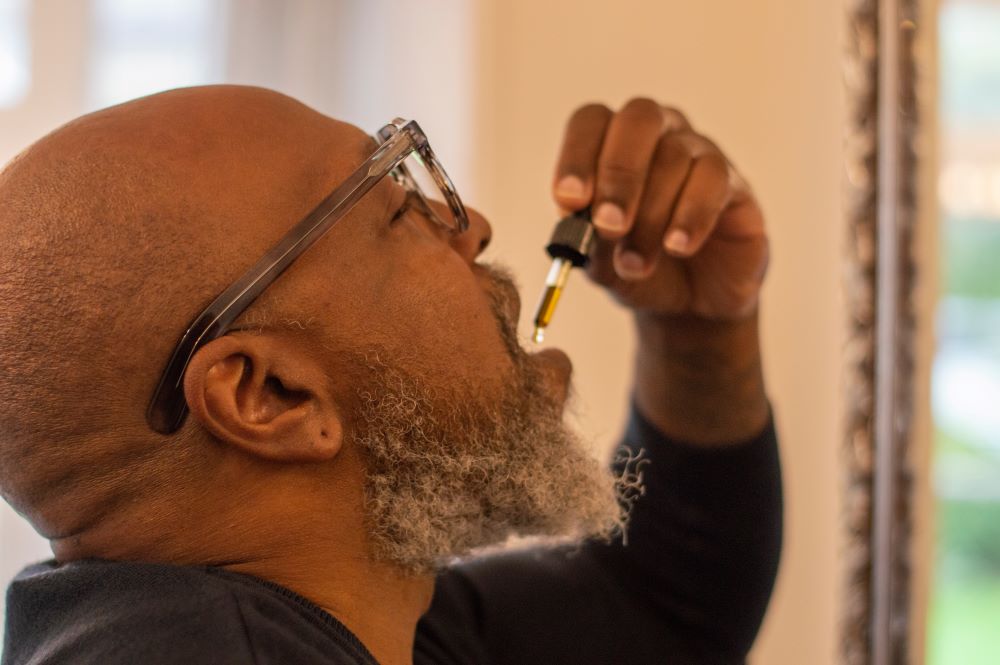
old man ingesting CBD

Research on CBD withdrawal is relatively limited compared to studies on THC withdrawal. Still, existing evidence suggests that CBD withdrawal, if it occurs at all, is mild and transient, especially when compared to withdrawal from substances like opioids or benzodiazepines. A 2019 study published in the Journal of Clinical Medicine found that participants who abruptly stopped using CBD reported mild withdrawal symptoms such as irritability, insomnia, and anxiety. However, these symptoms were short-lived and typically resolved within a few days to a week.

Moreover, the likelihood of experiencing withdrawal symptoms may depend on various factors, including dosage, frequency of use, and individual differences in metabolism and physiology. Some users may develop a tolerance to CBD over time, requiring higher doses to achieve the same effects. In such cases, abruptly stopping or significantly reducing CBD intake may lead to withdrawal symptoms as the body adjusts to the absence of the compound.

It’s essential to note that not everyone who uses CBD will experience withdrawal symptoms, and for many users, discontinuing CBD use is hassle-free. Additionally, tapering off CBD gradually under the guidance of a healthcare professional can help minimize any potential withdrawal effects.

Furthermore, the legal status of CBD complicates the issue of withdrawal. While hemp-derived CBD with less than 0.3% THC is federally legal in the United States, state laws and regulations vary, leading to inconsistencies in product quality and potency. As a result, some CBD products may contain higher-than-advertised levels of THC, which could increase the risk of withdrawal symptoms, especially for individuals sensitive to THC.

Final Thoughts

While the concept of CBD withdrawal may raise concerns among users, current evidence suggests that any withdrawal symptoms associated with CBD are mild and short-lived, especially when compared to substances like opioids or benzodiazepines.

For most users, discontinuing CBD use is unlikely to result in significant withdrawal effects, and any symptoms that do occur are manageable and temporary. As with any supplement or medication, it’s essential to use CBD responsibly and seek guidance from a healthcare professional if you have any concerns about its use or discontinuation.

Ultimately, the decision to use CBD should be informed by individual needs, preferences, and health considerations.…

CBD and Addiction – Examining Its Role in Substance Abuse Treatment and Recovery

CBD oilIn recent years, cannabidiol (CBD) has emerged as a promising compound in the field of addiction treatment and recovery. As researchers delve deeper into its therapeutic potential, CBD is garnering attention for its ability to address various aspects of substance abuse, from cravings and withdrawal symptoms to underlying psychological factors. Let’s explore the evolving landscape of CBD and its role in substance abuse treatment and recovery.

Understanding Addiction: A Complex and Multifaceted Condition

Addiction is a complex and multifaceted condition characterized by compulsive drug-seeking behavior despite negative consequences. It affects millions of individuals worldwide and can lead to devastating consequences for individuals and their families. While traditional treatment approaches such as therapy and medication have shown efficacy, there is a growing need for alternative treatments that address the unique challenges of addiction.

The Promise of CBD: A Non-Psychoactive Solution

CBD, one of the many compounds found in the cannabis plant, has garnered attention for its potential therapeutic effects without the intoxicating properties of tetrahydrocannabinol (THC). Unlike THC, CBD does not produce a “high” sensation, making it an appealing option for individuals seeking relief from various health conditions, including addiction.

Addressing Cravings and Withdrawal Symptoms

One of the primary challenges of addiction treatment is managing cravings and withdrawal symptoms, which can trigger relapse and hinder recovery efforts. CBD has shown promise in reducing drug cravings and alleviating withdrawal symptoms associated with substances such as opioids, nicotine, and alcohol. Its interaction with the endocannabinoid system, which plays a crucial role in regulating mood, stress, and reward pathways, may help restore balance and mitigate cravings.

Managing Co-occurring Mental Health Disorders

Many individuals struggling with addiction also experience co-occurring mental health disorders such as anxiety, depression, and post-traumatic stress disorder (PTSD). CBD has demonstrated anxiolytic and antidepressant properties, making it a potential adjunctive treatment for managing these comorbid conditions. By addressing underlying mental health issues, CBD may help individuals cope with stressors and triggers that contribute to substance abuse.

Breaking the Cycle of Relapse

Relapse is a common challenge in addiction recovery, with many individuals experiencing multiple relapses before achieving sustained sobriety. CBD may offer a novel approach to preventing relapse by targeting underlying mechanisms of addiction. Studies suggest that CBD may modulate the brain’s reward system, reducing the reinforcing effects of drugs and preventing the cycle of compulsive drug-seeking behavior.

A Holistic Approach to Recovery

CBD’s potential in addiction treatment extends beyond symptom management to address the underlying factors driving substance abuse. Its anti-inflammatory and neuroprotective properties may promote healing in the brain and body, which are often compromised by chronic drug use. Additionally, CBD’s anxiolytic and stress-reducing effects may support individuals in adopting healthier coping mechanisms and lifestyle choices conducive to long-term recovery.

Conclusion

CBD holds promise as a valuable tool in the treatment and recovery of substance abuse disorders. Its multifaceted effects on cravings, withdrawal symptoms, mental health, and relapse prevention offer a holistic approach to addiction treatment that complements existing therapies.

As research continues to uncover the full potential of CBD in addiction recovery, it is essential to integrate this promising compound into comprehensive treatment plans that address the complex needs of individuals struggling with addiction. With further exploration and clinical validation, CBD may emerge as a transformative force in the field of addiction medicine, offering hope and healing to those in need.

CBD and Exercise – How Cannabidiol Can Enhance Your Workout Routine

man working out In recent years, cannabidiol (CBD) has emerged as a popular supplement among fitness enthusiasts seeking natural ways to enhance their exercise routines. With its purported anti-inflammatory, analgesic, and anxiolytic properties, CBD has drawn attention for its potential to support recovery, reduce pain, and improve overall performance during physical activity. In this article, we’ll explore the relationship between CBD and exercise, examining how incorporating CBD into your workout routine can lead to better outcomes and enhanced well-being.

Understanding CBD

CBD is a non-intoxicating cannabinoid found in the cannabis plant, known for its therapeutic properties and wide-ranging health benefits. Unlike tetrahydrocannabinol (THC), the psychoactive compound in cannabis, CBD does not produce a “high” sensation and is generally well-tolerated by most individuals. Instead, CBD interacts with the body’s endocannabinoid system (ECS), a complex network of receptors and neurotransmitters that helps regulate various physiological functions, including pain perception, inflammation, mood, and stress response.

CBD and Exercise Recovery

One of the primary ways CBD can enhance your workout routine is by supporting post-exercise recovery. Intense physical activity, such as weightlifting or high-intensity interval training (HIIT), can cause muscle damage, inflammation, and oxidative stress. The anti-inflammatory properties of CBD may help mitigate these effects, reducing muscle soreness, stiffness, and swelling, and promoting faster recovery between workouts. By incorporating CBD into your post-exercise routine, you may experience less downtime and be able to train more consistently, leading to greater gains over time.

CBD for Pain Management

CBD has also shown promise as a natural remedy for managing exercise-related pain and discomfort. Whether you’re dealing with acute injuries, chronic conditions like arthritis, or general muscle soreness from intense workouts, CBD may offer relief by interacting with pain receptors in the ECS and modulating pain signals. Additionally, CBD’s analgesic effects may allow you to push through discomfort during exercise, enabling you to maintain peak performance and achieve your fitness goals without relying on traditional pain medications or NSAIDs.

CBD for Stress Reduction

Exercise is not only physically demanding but also mentally taxing, often leading to feelings of stress, anxiety, and tension. CBD’s anxiolytic properties may help calm the mind and promote relaxation, making it easier to focus and stay present during workouts. By reducing stress levels, CBD can enhance your overall exercise experience, allowing you to enjoy the process and reap the full benefits of physical activity without the distraction of negative emotions.

woman exercising

How to Incorporate CBD into Your Workout Routine

There are several ways to incorporate CBD into your exercise routine, depending on your preferences and needs:

CBD Oil or Tinctures

Sublingual administration of CBD oil or tinctures allows for quick absorption into the bloodstream, making it an ideal option for pre-workout or post-workout supplementation.

CBD Topicals

CBD-infused balms, creams, and salves can be applied directly to sore muscles or inflamed areas to provide targeted relief and support recovery.

CBD Capsules or Edibles

Capsules, gummies, and other CBD-infused edibles offer a convenient and discreet way to consume CBD before or after exercise, providing long-lasting effects without the need for measurement or dosing.

CBD Pre-Workout Supplements

Some companies offer CBD-infused pre-workout supplements designed to boost energy, focus, and endurance while reducing exercise-induced stress and fatigue.

Conclusion

Incorporating CBD into your workout routine can offer a range of benefits, from supporting recovery and reducing pain to promoting relaxation and enhancing overall performance.

Is CBD Bad for Your Liver? – Dispelling the Myth

CBD oil bottleIn recent years, the popularity of CBD (cannabidiol) has soared, with many praising its potential health benefits and therapeutic effects. However, alongside its rise in popularity, questions and concerns have emerged regarding its safety, particularly in relation to liver health. One of the most prominent debates surrounds the question: Is CBD bad for your liver? In this article, we delve into the scientific evidence to debunk this myth and provide clarity on the relationship between CBD and liver health.

Understanding CBD and its Effects

CBD is a non-intoxicating compound found in cannabis plants, known for its various potential therapeutic properties. Unlike its counterpart THC (tetrahydrocannabinol), CBD does not produce psychoactive effects. Instead, it interacts with the body’s endocannabinoid system, which plays a crucial role in regulating various physiological processes, including mood, pain sensation, appetite, and immune function.

The Potential Concern

One of the primary concerns surrounding CBD and liver health stems from a study conducted on mice that suggested a potential link between high doses of CBD and liver toxicity. The study, published in the journal Molecules in 2019, found that mice exposed to extremely high doses of CBD exhibited signs of liver damage.

Debunking the Myth

While this study raised eyebrows and sparked concern, it’s essential to consider the context and limitations of the research. Firstly, the doses administered to the mice were significantly higher than what the average human would consume. Secondly, the study used isolated CBD, rather than full-spectrum CBD products commonly used by consumers, which contain a variety of cannabinoids and compounds that may influence its effects.

Furthermore, subsequent research has provided additional insights into the safety profile of CBD. A review published in the journal Current Drug Safety in 2020 analyzed existing preclinical and clinical studies on CBD and liver health. The review concluded that CBD appears to have a generally favorable safety profile and is well-tolerated in humans, with limited evidence of adverse effects on liver function.

In fact, numerous studies have explored the potential therapeutic benefits of CBD for liver health. Research published in the journal Cells in 2020 suggested that CBD may have protective effects against liver injury and fibrosis in animal models of liver disease. Additionally, a study published in the journal Frontiers in Pharmacology in 2018 found that CBD may help alleviate liver inflammation and oxidative stress associated with certain liver conditions.

Understanding the Risks

While the majority of research suggests that CBD is well-tolerated and poses minimal risk to liver health, it’s important to acknowledge that individual responses may vary. Like any supplement or medication, CBD may interact with other medications or underlying health conditions, potentially affecting liver function. Therefore, it’s advisable to consult with a healthcare professional before incorporating CBD into your wellness regimen, particularly if you have pre-existing liver conditions or are taking medications metabolized by the liver.

Furthermore, quality and dosage are paramount when it comes to CBD products. It’s crucial to choose high-quality CBD products from reputable manufacturers and follow recommended dosage guidelines. Starting with a low dose and gradually increasing as needed can help minimize the risk of adverse effects and optimize the therapeutic benefits of CBD.

Final Thoughts

The notion that CBD is bad for your liver is a myth that has been debunked by scientific evidence. While isolated studies have raised concerns about potential liver toxicity at extremely high doses, the majority of research suggests that CBD is well-tolerated and poses minimal risk to liver health, especially when used responsibly.…

Enhance Your Relaxation Experience with CBD Bath Bombs

bath bombsIn today’s fast-paced world, finding moments of tranquility and relaxation is more important than ever. As stress levels soar and the demands of daily life weigh heavily on our shoulders, it’s essential to prioritize self-care practices that promote relaxation and rejuvenation. One such practice gaining popularity is indulging in CBD bath bombs, a luxurious way to unwind and soothe both the body and mind.

What are CBD Bath Bombs?

CBD, short for cannabidiol, is a compound derived from the cannabis plant renowned for its potential therapeutic benefits. Unlike its counterpart, THC, CBD does not induce psychoactive effects, making it a safe and non-intoxicating option for relaxation. When combined with the skin-nourishing properties of bath bombs, CBD offers a holistic approach to self-care that targets both physical and mental well-being.

How CBD Bath Bombs Provide Relaxation?

CBD bath bombs typically contain a blend of high-quality CBD extract, essential oils, Epsom salts, and other natural ingredients. When dissolved in warm water, these ingredients work synergistically to create a blissful bathing experience. The warm water helps to open pores, allowing the CBD and other beneficial compounds to be absorbed more effectively into the skin.

One of the key benefits of CBD bath bombs is their ability to promote relaxation and reduce stress. CBD interacts with the body’s endocannabinoid system, which plays a crucial role in regulating various physiological functions, including mood, stress response, and sleep. By activating receptors in the endocannabinoid system, CBD helps to promote a sense of calmness and relaxation, making it an ideal addition to your bath-time ritual.

Other Benefits of Using CBD Bath Bombs

In addition to its calming effects, cannabidiol also possesses anti-inflammatory and analgesic properties, making it beneficial for relieving muscle tension and soreness. Whether you’ve had a long day at work or an intense workout at the gym, soaking in a CBD-infused bath can help soothe tired muscles and alleviate discomfort, allowing you to unwind and recharge more effectively.

Furthermore, the aromatic essential oils found in CBD bath bombs add an extra layer of sensory delight to the bathing experience. Lavender, chamomile, and eucalyptus are just a few examples of essential oils known for their calming and soothing properties. When combined with the non-psychoactive compound, these oils create a harmonious blend that delights the senses and promotes deep relaxation.

Using CBD bath bombs is incredibly easy and convenient, making them suitable for even the busiest individuals. Simply fill your bathtub with warm water, drop in a bath bomb, and watch as it fizzes and dissolves, releasing its aromatic goodness into the air. Then, sink into the warm embrace of the water, allowing the calming effects of cannabidiol to wash over you.

Whether you’re looking to unwind after a hectic day or simply pamper yourself with a luxurious spa-like experience, CBD bath bombs offer a convenient and effective way to enhance your relaxation routine. By harnessing the power of CBD and natural botanicals, these indulgent bath-time treats provide a holistic approach to self-care that nurtures both body and soul.

Final Thoughts

Incorporating CBD bath bombs into your self-care routine is a simple yet effective way to enhance your relaxation experience. From soothing sore muscles to calming the mind, the therapeutic benefits of CBD make it a valuable addition to any bath-time ritual. So why not treat yourself to a moment of blissful indulgence?…

CBD Pouches – What Are the Pros and Cons?

In recent years, CBD (cannabidiol) products have surged in popularity, offering consumers a range of potential health benefits without the psychoactive effects associated with THC (tetrahydrocannabinol). Among the latest innovations in the CBD market are CBD pouches, which provide a discreet and convenient way to consume CBD. But like any product, CBD pouches come with their own set of pros and cons that consumers should consider before incorporating them into their wellness routine.

Pros of CBD Pouches

Let us talk about the major benefits of these products.

Convenience

CBD pouches offer a hassle-free and convenient way to consume the compound discreetly. Similar in appearance to traditional tobacco pouches, these products can be easily carried and used on the go, making them a convenient option for busy individuals seeking to incorporate the herb into their daily routine.

Discreetness

Unlike other products such as oils or edibles, CBD pouches are discreet and do not require any additional equipment or preparation. This makes them an attractive option for individuals who prefer to consume the compound without drawing attention to themselves or who may be in situations where traditional consumption methods are not feasible.

Precise Dosage

CBD pouches typically contain a pre-measured dose of the compound, allowing users to easily control their intake and ensure consistent dosing. This can be particularly beneficial for individuals who require precise dosing for therapeutic purposes or who are new to CBD and wish to start with a lower dose.

Variety of Flavors

CBD pouches come in a variety of flavors to suit different preferences, ranging from mint and citrus to berry and coffee. This allows users to choose a flavor that they enjoy and find appealing, enhancing the overall experience of using these products.

Fast-Acting Effects

When placed in the mouth, CBD pouches are absorbed through the oral mucosa, allowing for rapid onset of effects compared to other oral products such as edibles, which must be digested before the CBD is absorbed into the bloodstream. This makes CBD pouches an ideal option for individuals seeking fast-acting relief from symptoms such as pain or anxiety.

Cons of CBD Pouches

Let us now talk about some of the limitations of using CBD pouches.

Limited Availability

While CBD pouches are gaining popularity, they may not be as readily available as other products such as oils or capsules. Availability can vary depending on location, and consumers may need to purchase their products from specialty retailers or online vendors.

Potential for Misuse

Like any product containing CBD, there is the potential for misuse or abuse of pouches. While CBD is generally considered safe and well-tolerated, excessive consumption may lead to unwanted side effects such as drowsiness, dry mouth, or gastrointestinal discomfort. It’s essential for users to adhere to recommended dosing guidelines and to use these products responsibly.

Lack of Regulation

The CBD industry is currently not well-regulated, leading to variability in the quality and potency of CBD products, including CBD pouches. Without standardized regulations in place, consumers may encounter products that contain inaccurate labeling, impurities, or undisclosed additives. It’s crucial for consumers to research reputable brands and look for third-party lab testing to ensure product quality and safety.

Potential Interactions with Medications

CBD has the potential to interact with certain medications, particularly those that are metabolized by the liver. CBD can inhibit the activity of certain enzymes involved in drug metabolism, leading to increased levels of medication in the bloodstream and potential adverse effects.

CBD and ADHD – What Science Says On Using CBD for ADHD Treatment?

ADHDAttention Deficit Hyperactivity Disorder is a neurodevelopmental disorder characterized by persistent patterns of inattention, hyperactivity, and impulsivity that can significantly impact daily functioning. As individuals seek alternative and complementary treatments, cannabidiol has emerged as a potential option.
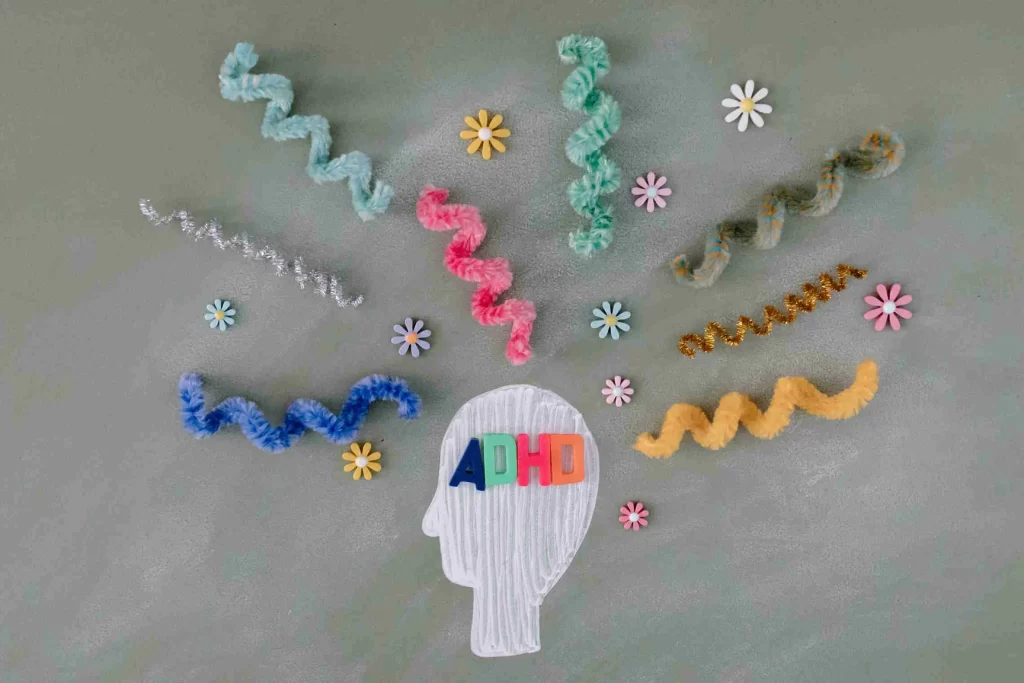

This article explores the relationship between CBD and ADHD, examining the existing scientific evidence, potential benefits, and considerations for those considering CBD as part of their ADHD management.

Understanding ADHD and Conventional Treatments

ADHD is commonly treated with stimulant medications like methylphenidate and amphetamines, which can be effective but may come with side effects and concerns about long-term use. Non-stimulant medications and behavioral therapy are also employed to manage symptoms. However, the quest for alternative approaches has led some individuals to explore CBD due to its perceived natural and holistic qualities.

The Endocannabinoid System and CBD

CBD is a non-psychoactive compound derived from the cannabis plant. It interacts with the endocannabinoid system (ECS), a complex network of receptors and neurotransmitters that plays a crucial role in regulating various physiological processes, including mood, sleep, and appetite. The ECS is implicated in neurodevelopmental disorders, making CBD a potential candidate for influencing ADHD symptoms.

The Current State of Scientific Research

While there is a growing body of research on CBD, studies specifically investigating its efficacy for ADHD are limited. A notable study published in the “Journal of Substance Abuse and Misuse” in 2013 explored self-reported ADHD symptoms among adults who used cannabis. The findings suggested that cannabis use was associated with a reduction in symptoms. However, it’s essential to note that this study did not isolate CBD, and the results were based on self-reports.

A more recent study published in “European Neuropsychopharmacology” in 2017 explored the effects of CBD on a rat model of ADHD. The researchers found that CBD administration led to improved cognitive performance and reduced hyperactivity in the rats. While animal studies provide valuable insights, the translation to human applicability requires further investigation.

Potential Mechanisms of Action

The potential mechanisms through which CBD might influence ADHD symptoms are complex and multifaceted. The compound interacts with serotonin receptors and may modulate dopamine levels in the brain, neurotransmitters implicated in the condition. Additionally, its anti-inflammatory and neuroprotective properties could play a role in mitigating neurodevelopmental abnormalities associated with it.

Considerations and Caveats

Let us talk about the important things you should take into consideration when using cannabidiol for the treatment of this disorder.

Lack of Standardization

The CBD market is not yet fully standardized, and products can vary widely in terms of content, quality, and purity. This lack of standardization makes it challenging to establish consistent dosages for ADHD management.

ADHD

Individual Variability

Responses to CBD can vary significantly among individuals. Factors such as metabolism, overall health, and the presence of other medications can influence how the compound interacts with the body.

Interactions with Medications

Individuals considering CBD for ADHD should consult with their healthcare providers, especially if they are already taking medications. The compound may interact with certain medications, potentially affecting their efficacy or causing unintended side effects.

Legal Considerations

The legal status of CBD varies globally and within different regions. Individuals should be aware of the legal framework surrounding cannabidiol use in their jurisdiction.

Final Thoughts

While the existing scientific evidence on cannabidiol and ADHD is promising, more rigorous research is needed to establish its safety and efficacy as a primary or complementary treatment.…

Does CBD Make You Hungry?

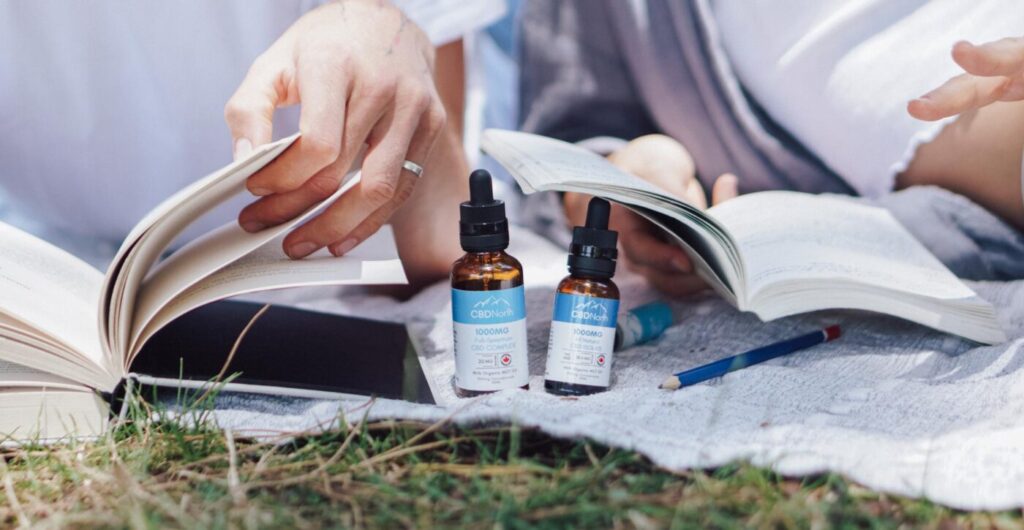
man eatingCannabidiol, or CBD, has gained widespread popularity for its potential therapeutic benefits, ranging from stress relief to pain management. As more people explore the world of CBD products, a common question arises: does CBD make you hungry? While CBD is a non-psychoactive compound found in the cannabis plant, its interaction with the endocannabinoid system can influence various bodily functions, including appetite. Let’s delve into the science behind this phenomenon and separate fact from fiction.

Understanding the Endocannabinoid System

To comprehend how CBD may impact hunger, it’s essential to grasp the role of the endocannabinoid system (ECS). The ECS is a complex network of receptors, enzymes, and endocannabinoids that play a crucial role in regulating various physiological processes, including mood, sleep, and appetite. The two primary receptors in the ECS are CB1 and CB2, with CB1 receptors being particularly prevalent in the central nervous system.

CBD and Appetite Regulation

Contrary to its well-known cousin, THC (tetrahydrocannabinol), CBD does not directly bind to CB1 receptors. THC is the psychoactive compound responsible for the infamous “munchies” experienced by marijuana users. Instead, CBD interacts with the ECS in a more indirect manner, influencing the activity of CB1 receptors and other neurotransmitters.

Research on CBD and Appetite

Scientific studies on the relationship between CBD and appetite are still in their infancy, but some preliminary research offers insights into this intriguing connection. A 2018 review published in the Journal of Psychopharmacology suggests that while THC may stimulate appetite, CBD could have the opposite effect by potentially suppressing it. The review highlights that CBD’s influence on appetite seems to be context-dependent, varying based on factors such as dosage and the individual’s overall health.

Another study, published in the British Journal of Pharmacology in 2012, explored the effects of cannabinoids on feeding behaviors. The findings suggested that while CB1 receptor activation by compounds like THC can enhance appetite, CB1 receptor antagonists (substances that block CB1 receptors) may have the opposite effect. CBD’s influence on these receptors, while not fully understood, could contribute to its potential appetite-modulating effects.

Individual Variations and Dosage Considerations

It’s crucial to recognize that individual responses to CBD can vary significantly. Factors such as metabolism, overall health, and the specific CBD product used can all play a role in how CBD affects appetite. Additionally, the dosage matters. Low to moderate doses may elicit different responses than higher doses, and finding the right balance is a personal journey.

food items and CBD

CBD as a Tool for Weight Management

While some individuals may experience an increase in appetite due to CBD, others may find it beneficial for weight management. For example, stress and anxiety are often linked to emotional eating and weight gain. CBD’s anxiolytic (anxiety-reducing) properties may help individuals manage stress, potentially breaking the cycle of emotional eating and promoting a healthier relationship with food.

Final Thoughts

In the ongoing quest to understand the effects of CBD on the human body, the relationship between CBD and appetite remains a nuanced and evolving topic. While some research suggests that CBD may influence appetite regulation, the overall consensus is that its impact is complex and context-dependent.

As with any supplement, individuals should approach CBD use with an awareness of their own body and health needs, consulting with healthcare professionals if necessary. The munchies associated with THC are not a universal characteristic of cannabis-related compounds, and CBD’s influence on appetite is just one facet of its multifaceted potential benefits.

A Student’s Guide to CBD

The college journey is a time of growth, learning, and self-discovery, but it often comes with its share of stressors and challenges. As students explore avenues for maintaining mental and physical well-being, CBD (cannabidiol) has emerged as a popular and accessible option. In this guide, we’ll navigate the landscape of CBD, offering students valuable insights on what the compound is, how it works, potential benefits, and considerations for incorporating it into a student lifestyle.

Understanding CBD

CBD is a naturally occurring compound found in the cannabis plant. Unlike its counterpart THC (tetrahydrocannabinol), it is non-psychoactive, meaning it doesn’t produce a “high.” Instead, it interacts with the endocannabinoid system in the body, which plays a crucial role in regulating various physiological functions, including mood, sleep, and stress.

How CBD Works

CBD interacts with receptors in the endocannabinoid system, influencing the release of neurotransmitters and promoting balance within the body. Its therapeutic potential lies in its ability to modulate these processes, contributing to a sense of overall well-being.

Forms of CBD

CBD is available in various forms, including oils, capsules, edibles, and topical creams. Each form offers unique benefits, and choosing the right one depends on individual preferences and desired effects. For quick relief, CBD oils or edibles may be preferable, while topical creams are suitable for localized concerns.

Benefits of CBD for Students

Let us look at a few benefits students can expect from the compound.

Stress and Anxiety Management

College life often brings a host of stressors – academic pressures, social challenges, and the transition to independence. Cannabidiol has shown promise in reducing stress and anxiety, making it a potential ally for students navigating the demands of academia.

Improved Sleep Quality

Quality sleep is essential for cognitive function and overall well-being. CBD may help regulate sleep patterns, making it a valuable resource for students dealing with irregular sleep or insomnia.

Enhanced Focus and Cognitive Function

Some studies suggest that CBD may have neuroprotective properties and could positively impact cognitive function. For students looking to enhance focus during study sessions, incorporating the compound may offer support.

Pain and Inflammation Relief

Long hours of studying, sitting in lectures, or engaging in physical activities can lead to discomfort. CBD’s anti-inflammatory properties may provide relief from minor pains and aches, contributing to a more comfortable daily experience.

Considerations for Responsible Use

Now, let us take a look at a few aspects one should be aware of when looking to include CBD in everyday regime.

Legal Status

While the legal status of the compound varies, it’s crucial for students to be aware of the regulations in their region. In many places, CBD derived from hemp with less than 0.3% THC is legal, but it’s essential to stay informed about local laws.

CBD and studying

Dosage and Start Low, Go Slow

Cannabidiol affects individuals differently, and finding the right dosage is a personal journey. Starting with a low dosage and gradually increasing it allows students to gauge their individual response and determine the optimal amount for their needs.

Third-Party Testing

To ensure the quality and purity of CBD products, students should look for brands that conduct third-party testing. This ensures that the product’s ingredients match the label and that it is free from contaminants.

Consultation with Healthcare Professionals

Before incorporating the compound into a wellness routine, it’s advisable for students to consult with healthcare professionals, especially if they are taking medications or have pre-existing health conditions.…

A Comprehensive Guide to CBD Dosage – Finding the Right Amount for You

Navigating the realm of cannabidiol is akin to embarking on a wellness journey where precision and individualization play pivotal roles. A comprehensive understanding of CBD dosage is paramount for those seeking to harness the potential benefits of this natural compound derived from the cannabis plant. In this guide, we unravel the intricacies of CBD dosage, empowering individuals to find the right amount that aligns with their unique wellness goals.

The Importance of Individualization

One of the fundamental principles of cannabidiol dosage is the acknowledgment of individual variability. Factors such as body weight, metabolism, overall health, and the specific wellness goals individuals aim to achieve all contribute to the uniqueness of their response to the compound. This individualization underscores the necessity of a personalized approach to dosing.

Understanding Milligrams – The Language of CBD Dosage

CBD products typically display the amount of of the compound in milligrams (mg) on their labels. This number represents the concentration of CBD in the product and serves as a reference point for determining the dose. When starting with this drug, it’s advisable to begin with a low dose, often in the range of 5 to 10 mg, and gradually increase as needed. This gradual titration allows individuals to observe their response to different dosage levels.

Body Weight and Dosage Considerations

Body weight is a crucial factor influencing CBD dosage. In general, individuals with higher body weights may require higher doses to experience the same effects as those with lower body weights. However, this is a general guideline, and the ideal dose remains a highly individualized aspect of the wellness journey.

The Tiered Approach – Finding Your Sweet Spot

The tiered approach involves starting with a low dosage and progressively increasing it until the desired effects are achieved. This method allows individuals to pinpoint their optimal quantity without the risk of overconsumption. It is particularly beneficial for those new to CBD, helping them acclimate to its effects while avoiding potential side effects associated with higher doses.

Considering the CBD Product Type

The type of product also influences dosage considerations. Cannabidiol is available in various forms, including tinctures, capsules, edibles, topicals, and more. Each CBD product type has a different bioavailability, meaning the rate at which CBD is absorbed into the bloodstream. For instance, tinctures taken sublingually have higher bioavailability than edibles, influencing the effective dosage.

Mindful Observation – Listening to Your Body

An essential aspect of determining the right CBD dosage is mindful observation. Individuals should pay attention to how their body responds to different doses, noting any changes in symptoms or side effects. Regular self-assessment allows for real-time adjustments to the dose, ensuring a tailored and effective wellness experience.

Consulting with Healthcare Professionals

For those with pre-existing health conditions or taking medications, consulting with healthcare professionals is crucial before incorporating CBD into their routine. Healthcare providers can offer personalized guidance based on an individual’s health history, potential drug interactions, and specific wellness goals. This collaborative approach ensures that the dosage aligns with overall health considerations.

CBD and the Entourage Effect

Quality is a paramount consideration when it comes to cannabidiol dosage. Full-spectrum CBD products, which contain a range of cannabinoids, terpenes, and other beneficial compounds, may elicit an enhanced therapeutic effect due to the entourage effect. This synergistic interaction among cannabis compounds emphasizes the importance of selecting high-quality products for optimal wellness outcomes.