

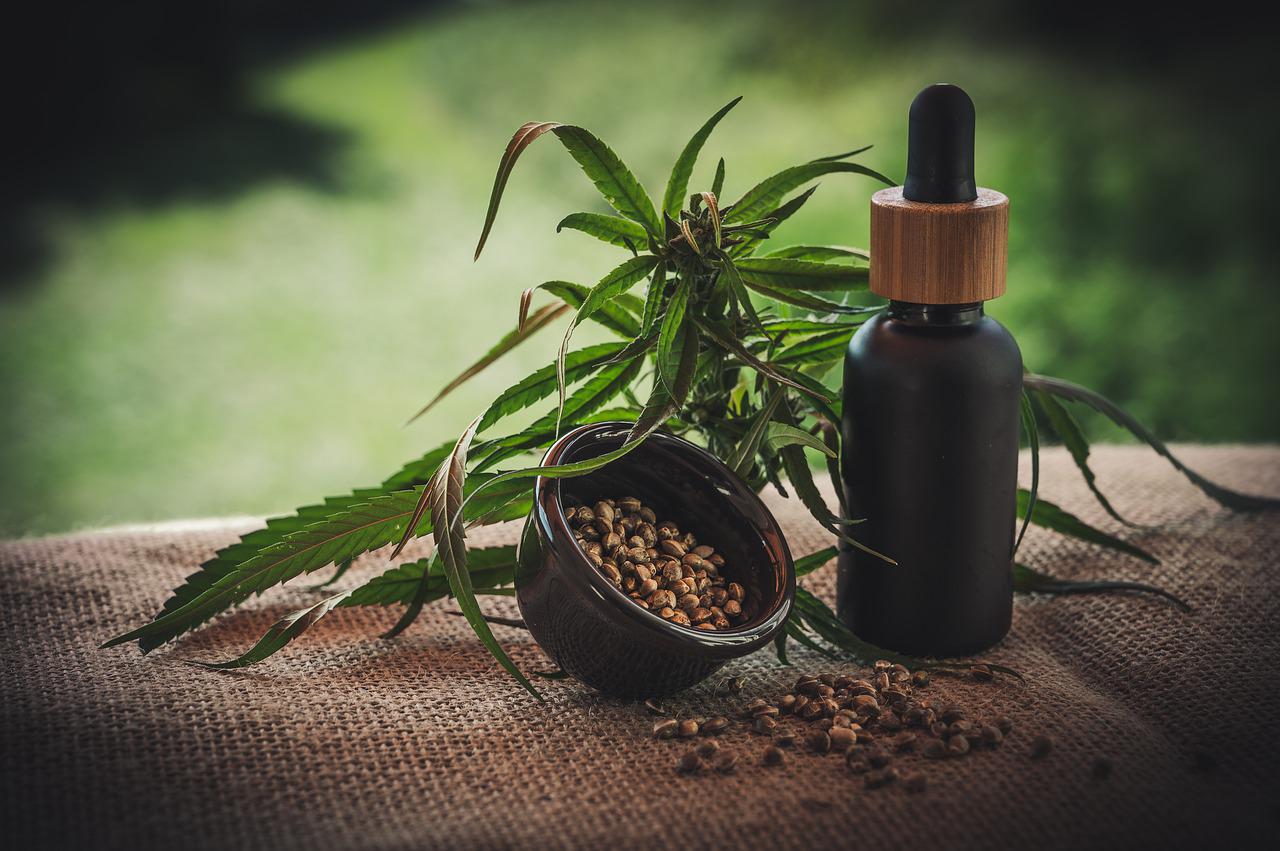
In recent years, CBD (cannabidiol) has surged in popularity as a natural remedy for various ailments, from anxiety and pain to insomnia and inflammation. As more people incorporate CBD into their wellness routines, questions arise about its potential side effects and withdrawal symptoms. Amidst the buzz surrounding CBD, one question looms large: does CBD withdrawal truly occur? Let’s delve into the science behind CBD usage and explore whether withdrawal is a genuine concern.
How CBD Interacts with the Human Body
Firstly, it’s essential to understand how CBD interacts with the body. Unlike its counterpart THC (tetrahydrocannabinol), CBD is non-intoxicating and does not produce the euphoric “high” associated with cannabis. Instead, CBD interacts with the endocannabinoid system, a complex network of receptors found throughout the body that helps regulate various physiological processes, including mood, pain perception, and immune function.
CBD Withdrawal – What You Should Know
Many users turn to CBD for its potential therapeutic benefits, seeking relief from conditions such as chronic pain, anxiety disorders, and epilepsy. However, as with any supplement or medication, there’s always a possibility of dependence or withdrawal when discontinuing use. So, does CBD withdrawal fall into this category?
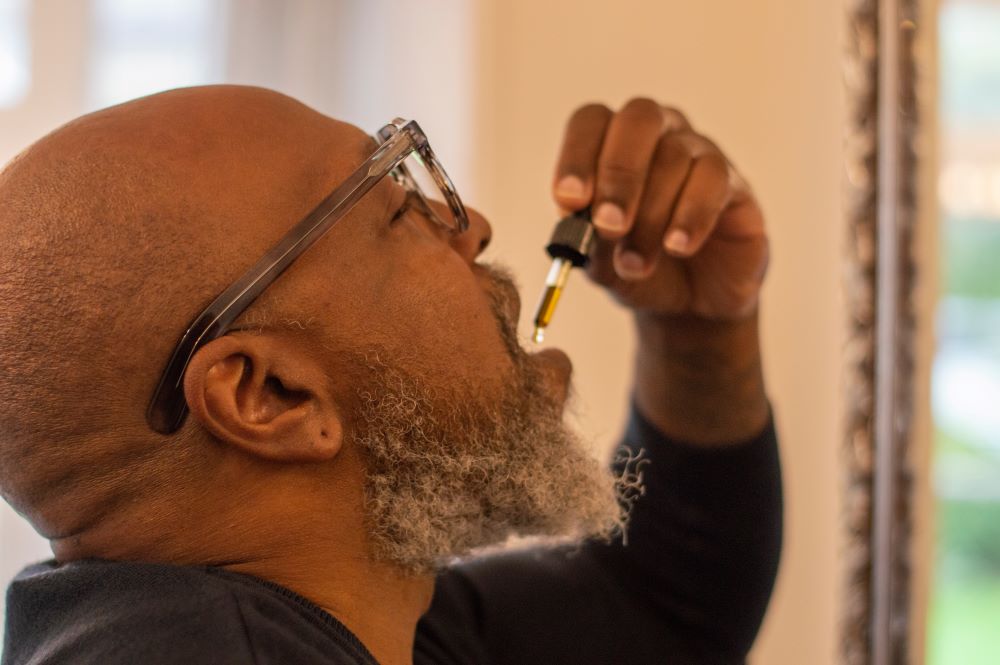
Research on CBD withdrawal is relatively limited compared to studies on THC withdrawal. Still, existing evidence suggests that CBD withdrawal, if it occurs at all, is mild and transient, especially when compared to withdrawal from substances like opioids or benzodiazepines. A 2019 study published in the Journal of Clinical Medicine found that participants who abruptly stopped using CBD reported mild withdrawal symptoms such as irritability, insomnia, and anxiety. However, these symptoms were short-lived and typically resolved within a few days to a week.
Moreover, the likelihood of experiencing withdrawal symptoms may depend on various factors, including dosage, frequency of use, and individual differences in metabolism and physiology. Some users may develop a tolerance to CBD over time, requiring higher doses to achieve the same effects. In such cases, abruptly stopping or significantly reducing CBD intake may lead to withdrawal symptoms as the body adjusts to the absence of the compound.
It’s essential to note that not everyone who uses CBD will experience withdrawal symptoms, and for many users, discontinuing CBD use is hassle-free. Additionally, tapering off CBD gradually under the guidance of a healthcare professional can help minimize any potential withdrawal effects.
Furthermore, the legal status of CBD complicates the issue of withdrawal. While hemp-derived CBD with less than 0.3% THC is federally legal in the United States, state laws and regulations vary, leading to inconsistencies in product quality and potency. As a result, some CBD products may contain higher-than-advertised levels of THC, which could increase the risk of withdrawal symptoms, especially for individuals sensitive to THC.
Final Thoughts
While the concept of CBD withdrawal may raise concerns among users, current evidence suggests that any withdrawal symptoms associated with CBD are mild and short-lived, especially when compared to substances like opioids or benzodiazepines.
For most users, discontinuing CBD use is unlikely to result in significant withdrawal effects, and any symptoms that do occur are manageable and temporary. As with any supplement or medication, it’s essential to use CBD responsibly and seek guidance from a healthcare professional if you have any concerns about its use or discontinuation.
Ultimately, the decision to use CBD should be informed by individual needs, preferences, and health considerations. By staying informed and using CBD responsibly, users can maximize the potential benefits of this natural remedy while minimizing any potential risks or concerns associated with its use.
