

 In today’s fast-paced world, stress and anxiety have become an inevitable part of our lives. Whether it’s work-related pressure, family problems, or financial issues, we all experience stress and anxiety at some point. While there are many prescription drugs available to manage these symptoms, many people are turning to natural alternatives like CBD oil. In this article, we’ll discuss how CBD oil can help manage stress and anxiety.
First, let’s talk about what CBD oil is. CBD stands for cannabidiol, which is a compound found in the cannabis plant. Unlike THC, another compound found in cannabis, CBD is non-psychoactive, which means it doesn’t cause a “high” sensation. CBD oil is made by extracting CBD from the cannabis plant and then diluting it with a carrier oil, such as coconut or hemp seed oil.
CBD oil has been shown to have many potential health benefits, including reducing pain and inflammation, improving sleep, and reducing anxiety and depression. While research on the effects of CBD oil is still in its early stages, there is some evidence to suggest that it may be an effective natural remedy for stress and anxiety.
One way that CBD oil may help manage stress and anxiety is by reducing cortisol levels in the body. Cortisol is a hormone that is released in response to stress, and high levels of cortisol have been linked to anxiety, depression, and other health problems. CBD oil has been shown to reduce cortisol levels in both animal and human studies, which suggests that it may help alleviate the symptoms of stress and anxiety.
CBD oil may also help manage anxiety by interacting with the body’s endocannabinoid system (ECS). The ECS is a complex system of receptors and neurotransmitters that helps regulate many bodily functions, including mood, appetite, and sleep. CBD has been shown to interact with the ECS by binding to receptors in the brain and nervous system, which may help regulate anxiety and other mood disorders.
In addition to reducing cortisol levels and interacting with the ECS, CBD oil may also help manage stress and anxiety by improving sleep. Lack of sleep is a common symptom of stress and anxiety, and it can exacerbate these symptoms by making us feel even more tired and irritable. CBD oil has been shown to improve sleep quality and duration, which may help alleviate the symptoms of stress and anxiety.
While CBD oil may be an effective natural remedy for stress and anxiety, it’s important to note that it’s not a cure-all. It’s important to work with a healthcare professional to develop a comprehensive treatment plan that includes CBD oil as well as other lifestyle changes, such as exercise, healthy eating, and stress management techniques.
It’s also important to choose a high-quality CBD oil product. Not all CBD oil products are created equal, and some may contain harmful additives or contaminants. Look for products that are third-party tested and have a certificate of analysis (COA) available, which confirms the potency and purity of the product.
In conclusion, stress and anxiety can have a significant impact on our physical and mental health, but there are natural remedies available, such as CBD oil. CBD oil has been shown to reduce cortisol levels, interact with the ECS, and improve sleep quality, all of which may help manage the symptoms of stress and anxiety.
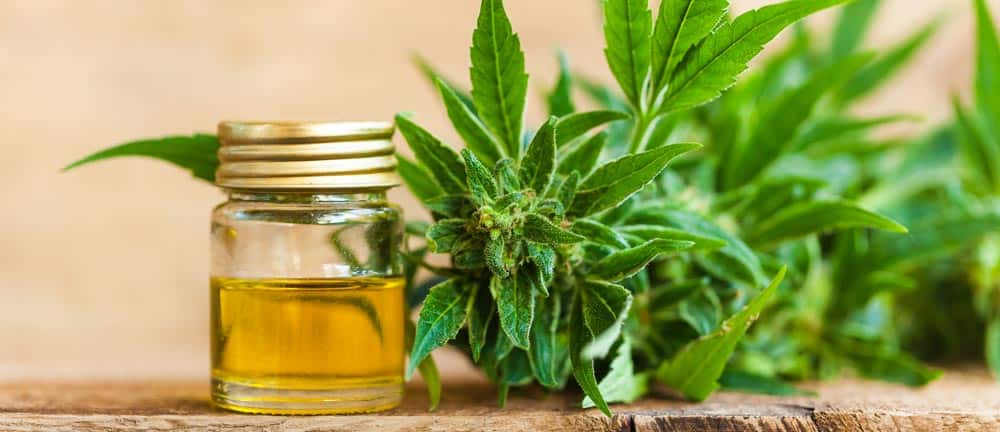 CBD, also called cannabidiol, is a compound derived from the cannabis plant. It has become a popular natural remedy for a variety of ailments, and its usage has been steadily increasing in recent years.