
Press "Enter" to skip to content

Real CBD Oils

Exploring the Potential of CBD Oil for Women’s Health

CBD oil, derived from the cannabis plant, has gained significant attention for its potential health benefits. In recent years, it has emerged as a topic of interest in women’s health. This article explores the potential uses of CBD oil for various women’s health concerns, including menstrual pain, hormonal imbalances, and pregnancy-related issues.

Menstrual Pain Relief

Many women experience discomfort and pain during their menstrual cycles. CBD oil has shown promise in providing relief from menstrual cramps and associated symptoms. Its anti-inflammatory properties may help reduce prostaglandin production, which is responsible for triggering menstrual pain. Additionally, CBD’s interaction with the endocannabinoid system may help alleviate pain and promote relaxation during menstruation.

Hormonal Imbalances and Mood Regulation

Hormonal imbalances can affect women’s emotional well-being and overall quality of life. CBD oil has been studied for its potential in regulating hormone levels and managing mood disorders. It interacts with serotonin receptors, which play a crucial role in mood regulation. By influencing serotonin levels, CBD oil may help alleviate symptoms of anxiety, depression, and mood swings associated with hormonal fluctuations.

Pregnancy-related Concerns

During pregnancy, women may experience various discomforts and health issues. While research on CBD oil use during pregnancy is limited, some studies suggest that it may have potential benefits. CBD oil’s anti-inflammatory and analgesic properties may help relieve pregnancy-related pain, such as backaches and joint discomfort. However, it is essential to consult with a healthcare professional before using CBD oil during pregnancy to ensure safety and address any potential risks.

Breastfeeding and Lactation Support

Breastfeeding is a vital aspect of postpartum care, but some women may face challenges such as pain, engorgement, or inflammation. CBD oil’s anti-inflammatory properties may offer relief from breastfeeding-related discomfort. However, more research is needed to understand its safety and potential impact on breast milk composition. Consulting with a healthcare provider is crucial before using CBD oil while breastfeeding.

Skin Health and Beauty

CBD oil has gained popularity in skincare products due to its potential benefits for the skin. It has antioxidant and anti-inflammatory properties that may help soothe skin irritations, reduce acne, and improve overall skin health. Additionally, CBD’s potential to regulate sebum production may benefit individuals with oily or acne-prone skin. However, individual reactions to CBD products may vary, so patch testing and consulting with a dermatologist is recommended.

Bone Health and Osteoporosis

Osteoporosis is a condition that primarily affects women, especially during menopause. CBD oil may have potential benefits for bone health due to its interaction with cannabinoid receptors in bone tissues. Some studies suggest that CBD may enhance bone density and reduce the risk of fractures. However, further research is needed to understand the full extent of CBD’s effects on bone health.

Conclusion

CBD oil holds promise as a natural remedy for various women’s health concerns. From providing relief from menstrual pain to potentially addressing hormonal imbalances and supporting skin health, CBD oil has shown potential benefits. However, it is important to note that research in this area is still evolving, and individual responses may vary. Before using CBD oil for any women’s health-related issue, it is crucial to consult with a healthcare professional who can provide guidance based on individual circumstances and medical history.
CBD Oil and Cancer: Exploring Its Potential in Cancer Care

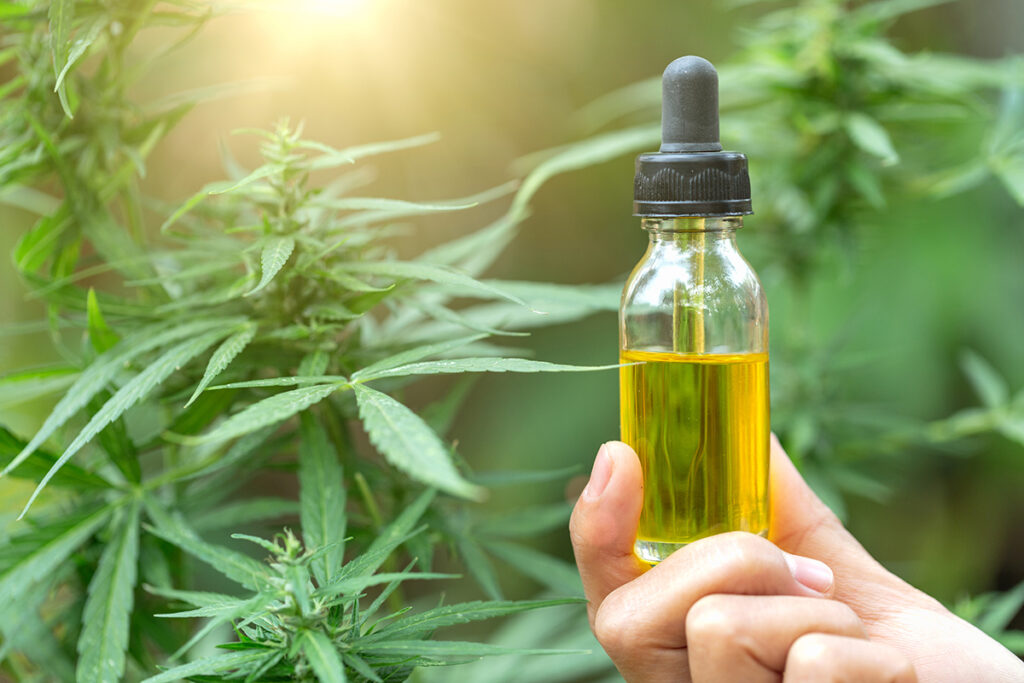
a bottle of CBD oilCancer is a complex and devastating disease that affects millions of people worldwide. While conventional treatments like chemotherapy, radiation, and surgery are commonly used, there is growing interest in exploring alternative approaches to cancer care. One such alternative that has gained attention is CBD oil, derived from the cannabis plant. In this article, we will explore the potential of CBD oil in cancer care and the current state of research surrounding its use.

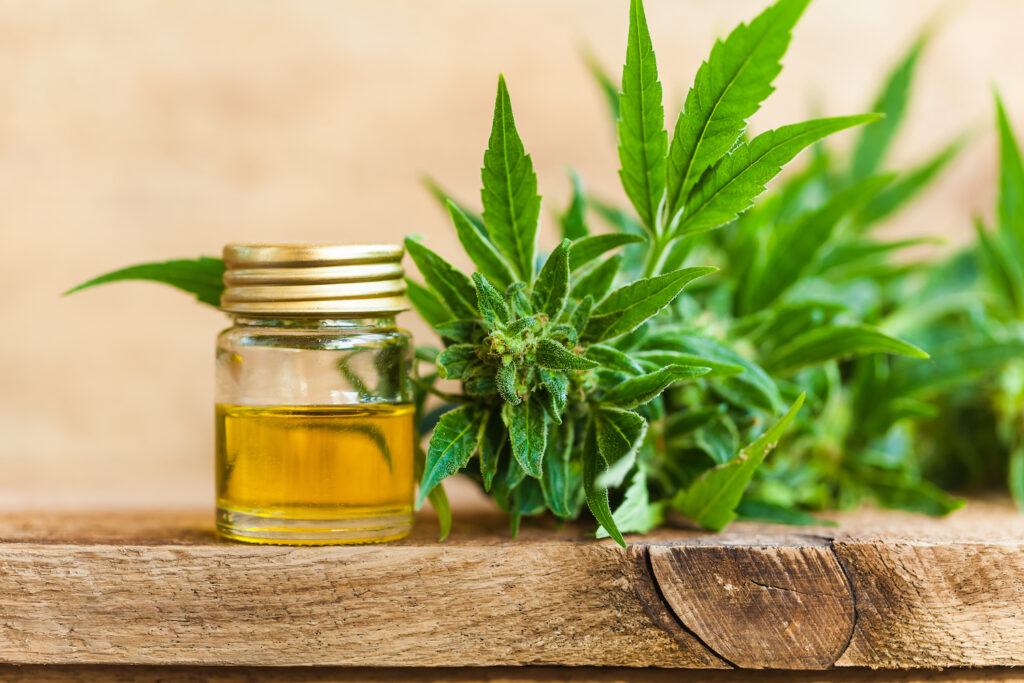
CBD, or cannabidiol, is one of the many cannabinoids found in cannabis plants. Unlike THC, another well-known cannabinoid, CBD does not have psychoactive effects, meaning it does not produce a “high.” CBD oil is typically extracted from hemp plants, which contain minimal levels of THC.

Research suggests that CBD oil may have several potential benefits in cancer care. One of the most significant areas of interest is its ability to alleviate cancer-related symptoms and side effects of conventional treatments. Studies have shown that CBD oil may help manage chemotherapy-induced nausea and vomiting, reduce pain and inflammation, and improve sleep patterns. By providing relief from these symptoms, CBD oil can contribute to enhancing the overall quality of life for cancer patients.

Furthermore, some preclinical studies have explored the potential anti-cancer properties of CBD oil. Research conducted in test tubes and animal models has shown that CBD may have anti-tumor effects. It has been observed to inhibit the growth of cancer cells and induce programmed cell death, a process known as apoptosis. However, it is essential to note that these findings are preliminary, and more research is needed to fully understand the potential of CBD oil in cancer treatment.

In terms of human studies, the research on CBD oil and cancer is still in its early stages. Most of the available evidence comes from preclinical and observational studies, as well as anecdotal reports. While these studies provide valuable insights, they do not offer the same level of scientific rigor as controlled clinical trials.

Several ongoing clinical trials are investigating the use of CBD oil in cancer care. These trials aim to evaluate the safety, efficacy, and optimal dosage of CBD oil as a complementary therapy for cancer patients. It is through these well-designed studies that we can gain more substantial evidence and a clearer understanding of CBD oil’s potential role in cancer treatment.

It is important to note that CBD oil should not be considered a replacement for conventional cancer treatments. It should be used as a complementary therapy under the guidance and supervision of healthcare professionals. Cancer patients should always consult with their oncologists before incorporating CBD oil or any other alternative treatments into their cancer care regimen.

Additionally, the use of CBD oil in cancer care raises important considerations regarding product quality, purity, and dosage. It is crucial to choose high-quality CBD oil products from reputable manufacturers that undergo third-party testing to ensure purity and potency. Dosage should be determined based on individual needs and should be discussed with a healthcare professional experienced in CBD use.

To conclude, while CBD oil shows promise in cancer care, more research is needed to establish its efficacy and safety as a complementary therapy. It may provide relief from cancer-related symptoms and side effects of conventional treatments, contributing to an improved quality of life for patients. Ongoing clinical trials will shed more light on the potential of CBD oil in cancer treatment.…

CBD Oil for Skin Health: Is It Beneficial?

CBD oil has gained popularity not only for its potential health benefits but also for its positive impact on skin health. As a natural plant-derived compound, CBD oil offers a range of potential advantages when applied topically. In this article, we will explore the potential benefits of CBD oil for skin health and its role in nourishing and balancing the complexion.

Understanding CBD Oil and its Components

CBD, short for cannabidiol, is a non-psychoactive compound derived from the Cannabis sativa plant. It is extracted from hemp plants that contain low levels of tetrahydrocannabinol (THC), the psychoactive component of cannabis. CBD oil used in skincare products typically contains a concentration of CBD along with other beneficial compounds like essential oils, vitamins, and antioxidants.

CBD Oil and Skin Health Benefits

Anti-Inflammatory Properties: CBD oil has notable anti-inflammatory properties that can help soothe and calm irritated skin. It interacts with the body’s endocannabinoid system (ECS) to regulate immune responses, potentially reducing inflammation and redness associated with conditions like acne, eczema, and psoriasis.

Moisturizing and Hydrating: CBD oil is rich in essential fatty acids, such as omega-3 and omega-6, which are beneficial for maintaining skin hydration and preventing dryness. It also helps in strengthening the skin’s natural moisture barrier, which can protect against environmental damage and moisture loss.

Balancing Sebum Production: CBD oil has the potential to regulate sebum production in the skin. Sebum is the natural oil produced by the sebaceous glands, and its overproduction can lead to oily skin and acne. CBD oil may help balance sebum production, potentially reducing excessive oiliness and promoting clearer skin.

Antioxidant Effects: CBD oil contains powerful antioxidants that can help combat the damaging effects of free radicals on the skin. Free radicals contribute to premature aging and skin damage. By neutralizing these harmful molecules, CBD oil may help reduce the appearance of fine lines, wrinkles, and other signs of aging.

Calming and Soothing Effects: CBD oil possesses soothing properties that can provide relief for sensitive or reactive skin. It can help reduce skin discomfort, redness, and sensitivity, creating a calmer and more comfortable complexion.

Potential Acne-Fighting Properties: Due to its anti-inflammatory and sebum-regulating effects, CBD oil shows promise in managing acne-prone skin. It may help reduce inflammation, control sebum production, and prevent clogged pores, leading to fewer breakouts and a clearer complexion.

Application and Considerations

When using CBD oil for skincare, it is important to choose high-quality, reputable products specifically formulated for topical use. Conduct a patch test before using it on larger areas of the skin, and consult with a dermatologist if you have any underlying skin conditions or concerns.

Exploring Different Forms of CBD Oil for Skincare

CBD oil for skincare is available in various forms, providing flexibility and options for users. Topical products like creams, lotions, serums, and balms are popular choices, allowing for direct application to specific areas of the skin. These formulations are designed to be easily absorbed, providing targeted benefits to the skin.

Additionally, CBD-infused facial masks and cleansers offer convenient and refreshing options for incorporating CBD into skincare routines. It’s essential to consider personal preferences, skin type, and desired outcomes when selecting the form of CBD oil for skincare, ensuring an optimal experience and maximizing its potential benefits.

Conclusion

CBD oil offers promising potential for improving skin health and addressing various skin concerns.…

Differences Between CBD Oil and Other Cannabis Products

CBD oil bottleAs the legal landscape around cannabis products continues to evolve worldwide, there’s growing interest in the therapeutic potential of these compounds. The market has seen a surge of various cannabis products, most notably CBD oil and THC oil. However, to the untrained eye, these products might seem similar, leading to confusion and misinformed decisions. This article aims to delineate the key differences between CBD oil and other cannabis products, particularly those containing THC, in terms of their effects, uses, and legal status.

Chemical Composition and Effects

Cannabis sativa, the plant from which both CBD (cannabidiol) and THC (tetrahydrocannabinol) originate, contains hundreds of chemical compounds, known as cannabinoids. The two most well-known cannabinoids are undoubtedly CBD and THC.

THC is the primary psychoactive component in cannabis. It’s responsible for the characteristic ‘high’ associated with recreational marijuana use. On the other hand, CBD is non-psychoactive. While it interacts with the body’s endocannabinoid system, much like THC, it does not induce a euphoric state.

CBD oil, therefore, does not have the intoxicating effects that THC oil or marijuana products do. This key difference makes CBD oil more appealing to those seeking potential therapeutic benefits of cannabinoids without the mind-altering effects.

Therapeutic Uses

Both CBD and THC have been researched for their potential therapeutic properties, but they are used for different purposes. CBD is being studied for its potential role in managing a variety of conditions, including epilepsy, anxiety, chronic pain, and inflammation. Its non-psychoactive nature makes it suitable for everyday use in managing these conditions.

THC, on the other hand, is often used for its psychoactive effects and potential benefits in pain relief, appetite stimulation, and insomnia. Medical marijuana, which contains THC, is sometimes prescribed for conditions such as multiple sclerosis, glaucoma, and cancer-related pain.

It’s worth noting that the FDA has approved a CBD-based drug, Epidiolex, for treating severe forms of epilepsy. In contrast, the FDA hasn’t approved THC or medical marijuana, although it’s permitted for use in some states under specific medical conditions.

Legal Status

The legality of CBD oil and THC oil varies significantly across different jurisdictions, often causing confusion. In the United States, for example, CBD oil derived from hemp (a variety of Cannabis sativa with low THC content) is federally legal following the 2018 Farm Bill. However, CBD oil derived from other cannabis plants is still classified as a Schedule I drug under federal law, although some states have laws legalizing its use.

THC oil, as a psychoactive substance, faces stricter regulation. While some states have legalized medical and even recreational marijuana, it remains illegal at the federal level in the U.S. The legal landscape is also varied globally, with some countries allowing medical use of cannabis products, while others impose strict prohibitions.

Conclusion

Understanding the differences between CBD oil and other cannabis products is crucial for consumers and medical professionals alike. While both CBD and THC have potential therapeutic applications, their effects, uses, and legal status vary significantly.

CBD oil, with its non-psychoactive properties, opens a new avenue for those seeking the benefits of cannabis without the ‘high’ typical of THC-based products. As research progresses, and legal boundaries shift, the future of both CBD and THC in therapeutic use looks promising. However, their use should always follow local regulations and ideally be guided by medical advice.

CBD Oil for Athletic Performance and Recovery

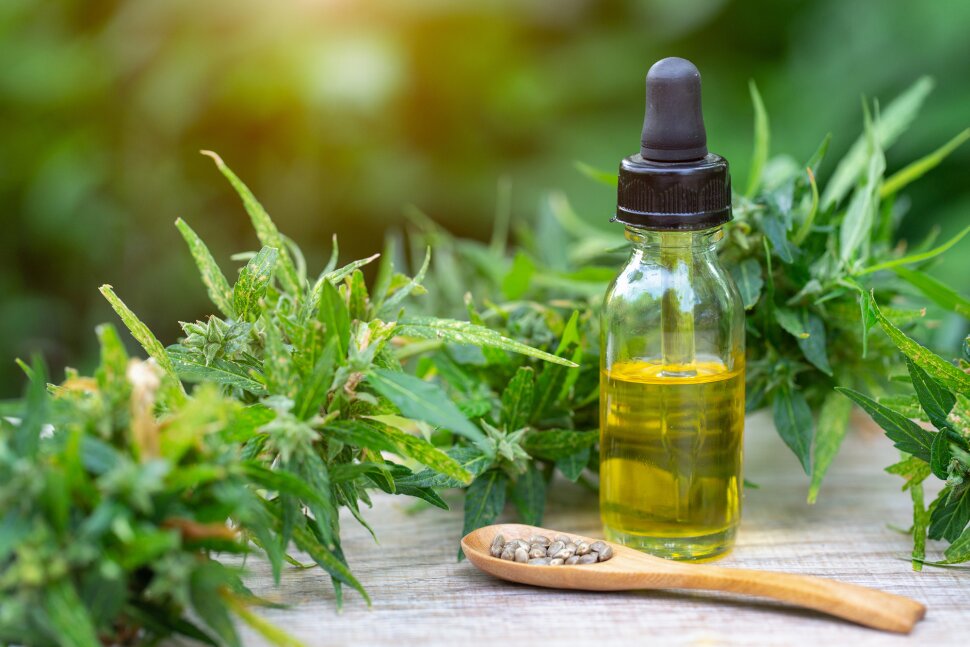
guys and girls working out As the world of sports and fitness continues to evolve, athletes are constantly seeking new ways to optimize their performance and enhance recovery. One emerging trend is the use of CBD oil. Cannabidiol (CBD), a non-psychoactive compound derived from the cannabis plant, has gained attention for its potential benefits in promoting athletic performance and aiding in post-workout recovery. In this article, we will explore the relationship between CBD oil and athletic performance, examining the current research and insights.
The Role of CBD in Athletic Performance

CBD oil has garnered interest in the athletic community due to its potential impact on various aspects of performance. One key area is the management of exercise-induced inflammation and pain. CBD interacts with the body’s endocannabinoid system, which plays a role in regulating pain and inflammation. Studies suggest that CBD’s anti-inflammatory properties may help alleviate exercise-related inflammation, potentially reducing discomfort and aiding in faster recovery.

Furthermore, CBD has been investigated for its potential in reducing stress and anxiety. Competitive sports can place significant mental strain on athletes, affecting their focus and performance. CBD has shown promise in reducing anxiety and promoting relaxation, which may be beneficial for athletes seeking a calm and focused mindset before competitions or intense training sessions.

Additionally, some studies indicate that CBD may have the potential to improve sleep quality. Adequate rest and recovery are vital for athletes to perform at their best. By promoting better sleep patterns, CBD may contribute to enhanced recovery and overall performance.

CBD and Injury Rehabilitation

Athletes often encounter injuries as part of their rigorous training routines or during competitions. CBD oil has gained attention for its potential role in supporting injury rehabilitation. The anti-inflammatory properties of CBD may assist in managing pain and swelling associated with injuries, potentially aiding in the recovery process.

Moreover, CBD may have neuroprotective properties that could be beneficial for athletes recovering from head injuries or concussions. While research is ongoing, studies on animals have shown promise in CBD’s ability to protect against brain damage and reduce the severity of symptoms associated with traumatic brain injuries.

It is important to note that while CBD shows potential in these areas, more extensive research is needed to fully understand its effects on athletic performance and injury rehabilitation. Athletes considering CBD oil should consult with healthcare professionals to ensure it aligns with their specific needs and circumstances.

When considering CBD oil for athletic purposes, it is crucial to choose high-quality products from reputable manufacturers. Third-party lab testing and transparent labeling ensure the product’s purity, potency, and absence of harmful contaminants. Athletes should also consult with their healthcare professionals to determine the appropriate dosage and discuss any potential interactions with other medications or supplements they may be taking.

Conclusion

The use of CBD oil in the realm of athletic performance and recovery holds promise but remains an area that requires further investigation. While early research suggests potential benefits in reducing inflammation, managing pain, promoting relaxation, and aiding in injury rehabilitation, athletes should approach CBD use with caution and consult experts to make informed decisions regarding their health and performance goals.

The Legality of CBD Oil and Its Use in Different Countries and States

Cannabidiol (CBD), a non-psychoactive compound found in the cannabis plant, has gained considerable attention in recent years for its potential therapeutic benefits. Despite this, the legal status of CBD oil, a common product containing CBD, varies significantly across different countries and states, often causing confusion.

In the United States, the legal landscape for CBD oil is complex. The 2018 Farm Bill federally legalized hemp-derived CBD products containing less than 0.3% THC, the psychoactive compound of cannabis. However, laws governing CBD oil vary by state.

Some states, such as Colorado and Washington, have broadly legalized both medicinal and recreational use of CBD products. In contrast, others like Idaho, Nebraska, and South Dakota have strict laws against CBD oil, irrespective of THC content. It’s essential to check state-specific laws before buying or using CBD oil.

In Canada, CBD is legal and regulated under the Cannabis Act. It’s available for purchase without a prescription, but only from authorized retailers. Strict packaging and labeling requirements are in place to ensure product safety.

Across the Atlantic, the legal status of CBD oil in Europe is quite fragmented. In the European Union, CBD oil is generally legal if it’s derived from hemp and contains less than 0.2% THC. However, each member state interprets and enforces these rules differently.

For instance, in the United Kingdom, CBD oil is legal and widely available. In France, while CBD oil is legal, it cannot contain any traces of THC. Meanwhile, in Sweden, CBD oil, regardless of THC content, is considered a medical product and requires a prescription.

In Australia, CBD oil falls under the Therapeutic Goods Administration’s purview. As of 2021, low-dose CBD oil (up to 150mg/day) is available over the counter without a prescription, but higher doses still require one.

Asia’s stance on CBD oil varies drastically. Countries like South Korea and Thailand have legalized CBD for medical use, while in Japan, CBD products must be entirely free of THC. However, many other Asian countries have strict laws against CBD oil, with severe penalties.

The legal landscape of CBD oil in South America is evolving. In countries like Uruguay and Colombia, CBD oil is legal and available. In contrast, others like Ecuador and Paraguay only allow CBD oil for medical use with a prescription.

Finally, in Africa, the legality of CBD oil varies widely, with South Africa being one of the few countries allowing the sale of CBD products under specific conditions.

In conclusion, the legality of CBD oil is a complex and rapidly evolving issue. It’s crucial to research and understand the specific laws and regulations in your state or country before purchasing or using CBD oil. As further research unfolds the potential benefits and risks of CBD, it’s expected that laws and regulations worldwide will continue to change.

Factors To Consider When Buying and Using CBD Oil

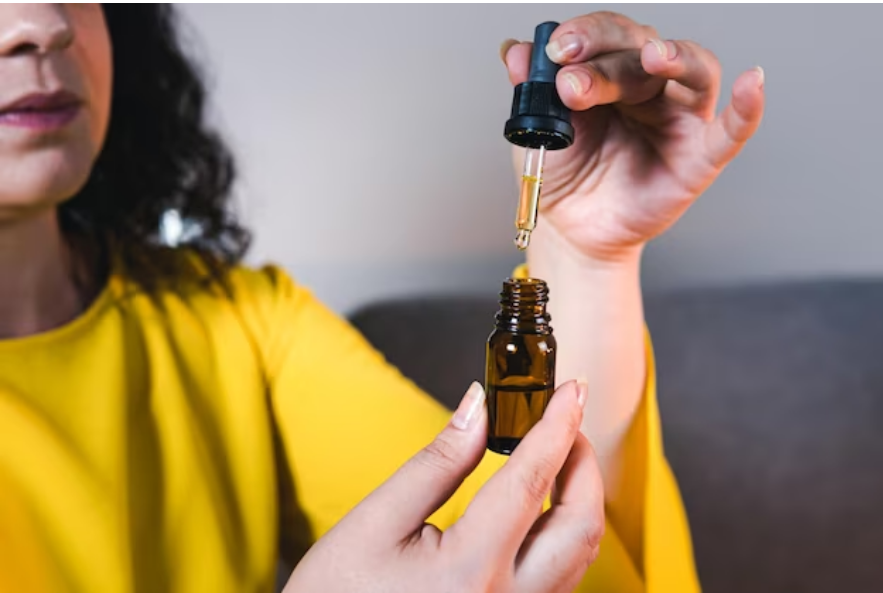
CBD oil bottleCBD products have gained significant popularity in recent years for their potential therapeutic benefits. However, when purchasing and using CBD products, it is essential to consider several factors to ensure safety, quality, and effectiveness. By being informed and taking certain precautions, you can make more informed decisions and have a positive experience with CBD. Here are key factors to consider:
Source and Quality

When buying CBD products, it is crucial to consider the source and quality of the CBD. Look for products derived from hemp grown in the United States or other reputable regions. Hemp plants grown in regulated environments tend to have higher quality and are less likely to contain harmful substances like pesticides, heavy metals, or residual solvents. Opt for products that have undergone third-party lab testing to verify their quality and purity.

Extraction Method

The method used to extract CBD from the hemp plant can impact the final product’s quality and safety. The preferred extraction method is CO2 extraction, which is a clean and efficient process that ensures a high concentration of CBD without using harmful chemicals. Avoid products that use potentially dangerous extraction methods, such as butane or propane extraction.

THC Content

THC is the psychoactive compound found in cannabis that produces the “high” sensation. CBD products derived from hemp should contain less than 0.3% THC to comply with legal regulations. However, if you are concerned about THC content or undergo regular drug testing, consider choosing CBD isolates or broad-spectrum CBD products, which have no detectable THC.

Product Type and Ingredients

CBD products come in various forms, including oils, tinctures, capsules, topicals, edibles, and more. Consider your personal preferences, desired method of consumption, and intended use when selecting a product type. Additionally, review the ingredient list to ensure the product does not contain any allergens or unnecessary additives.

CBD Concentration

Pay attention to the CBD concentration in the product you are considering. The concentration is typically listed in milligrams (mg) and indicates how much CBD is in the product. Higher concentrations may be more suitable for individuals seeking potent effects, while lower concentrations are preferable for those starting with CBD or desiring milder effects.

Transparency and Lab Testing

Reputable CBD brands are transparent about their products and provide access to third-party lab test results. These tests verify the potency, purity, and safety of the product. Look for products with batch-specific lab test reports, which should be readily available on the brand’s website or upon request. Lab testing ensures that the product contains the stated CBD concentration and is free from harmful contaminants.

Dosage and Usage Instructions

Follow the dosage instructions provided by the manufacturer. Start with a low dosage and gradually increase as needed. Consider consulting with a healthcare professional, especially if you have any underlying health conditions or are taking other medications. They can provide guidance on appropriate dosing based on your specific needs and circumstances.

Legal Considerations

Familiarize yourself with the legal status of CBD products in your region. CBD laws can vary between countries and even within different states or regions. Ensure that the CBD product you are purchasing complies with the legal requirements of your jurisdiction to avoid any potential legal issues.

By considering these factors when buying and using CBD products, you can make more informed choices that align with your needs and priorities.…

The Impact of CBD Oil on Sleep and Insomnia

woman taking CBD oil Sleep is essential for overall health and well-being, but many individuals struggle with sleep disorders such as insomnia. In recent years, CBD oil has gained popularity as a potential remedy for improving sleep quality and treating insomnia. CBD, or cannabidiol, is a non-intoxicating compound derived from the cannabis plant. This article explores the impact of CBD oil on sleep and insomnia and examines the current scientific understanding of its effectiveness.

What Research Says

Research suggests that CBD oil may have potential benefits for sleep by interacting with the body’s endocannabinoid system (ECS). The ECS is a complex regulatory system that plays a role in various bodily functions, including sleep regulation. CBD interacts with ECS receptors, potentially influencing sleep-wake cycles and promoting relaxation.

CBD Oil and Stress Relief

One way in which CBD oil may improve sleep is by reducing anxiety and stress, which are common factors that contribute to insomnia. CBD has been found to have anxiolytic (anti-anxiety) properties, helping individuals relax and reduce racing thoughts that can interfere with falling asleep. By promoting a sense of calm and tranquility, CBD oil may facilitate the onset of sleep and improve sleep quality.

Pain Relief

Moreover, CBD oil may also have analgesic (pain-relieving) properties that can benefit individuals with chronic pain or discomfort, which can often disrupt sleep patterns. These properties also enable it to help patients relieve surgery-related pain and discomfort. By alleviating pain, CBD oil may contribute to improved sleep by allowing individuals to find a more comfortable position and experience less sleep disturbances.

Does It Really Work?

Research specifically focusing on CBD oil’s impact on sleep disorders is still limited, and further studies are needed to establish its efficacy and optimal dosage. However, some preliminary studies have provided promising results. For example, a 2019 study published in The Permanente Journal found that CBD improved sleep in 66.7% of participants with anxiety and sleep concerns. Another study published in Frontiers in Pharmacology in 2020 reported that CBD improved sleep and reduced symptoms of anxiety in individuals with post-traumatic stress disorder (PTSD).

Considerations and Caution

It is worth noting that the effects of CBD oil on sleep may vary from person to person. Factors such as individual biochemistry, dosage, and the presence of underlying medical conditions can influence the outcomes. Therefore, it is recommended to start with a low dosage of CBD oil and gradually increase it as needed while closely monitoring the effects on sleep.

When considering CBD oil for sleep, it is essential to choose high-quality products from reputable manufacturers. Look for CBD oils that have been third-party tested for potency and purity. Additionally, consult with a healthcare professional before incorporating CBD oil into your sleep routine, especially if you have pre-existing medical conditions or are taking other medications.

Final Thoughts

While scientific research on CBD oil’s impact on sleep and insomnia is still evolving, preliminary studies suggest that it may offer potential benefits. CBD oil’s ability to reduce anxiety, promote relaxation, and alleviate pain may contribute to improved sleep quality. However, individual responses to CBD oil may vary, and more research is needed to determine its long-term effects, optimal dosage, and potential interactions. As with any supplement, it is advisable to consult with a healthcare professional before using CBD oil for sleep or insomnia.

CBD Oil for Anxiety and Depression – Can It Really Help Alleviate Symptoms?

Anxiety and depression are two of the most common mental health conditions that affect people around the world. While there are many treatments available for these conditions, including therapy and medication, some people are turning to CBD oil as a natural alternative. But can CBD oil really help alleviate the symptoms of anxiety and depression? Let’s take a closer look.

CBD, or cannabidiol, is a compound found in the cannabis plant. Unlike THC, another compound found in cannabis, CBD does not produce a psychoactive “high.” Instead, it is believed to have a range of therapeutic effects, including anti-inflammatory, analgesic, and anxiolytic properties.

When it comes to anxiety and depression, research suggests that CBD oil may be able to help alleviate symptoms. For example, a 2019 study published in The Permanente Journal found that CBD was associated with a significant reduction in anxiety and sleep disturbances in a group of 72 adults with anxiety and/or sleep disorders. Another study published in 2018 in the Journal of Clinical Psychology found that CBD was associated with a reduction in anxiety and depression symptoms in a group of 57 participants.

While these studies are promising, it’s important to note that they are relatively small and more research is needed to confirm these findings. Additionally, it’s important to remember that CBD oil should not be used as a substitute for traditional treatments for anxiety and depression, such as therapy and medication.

One of the reasons that CBD oil may be effective for anxiety and depression is that they work by interacting with the body’s endocannabinoid system (ECS). The ECS is a complex network of receptors and neurotransmitters that is involved in regulating a wide range of physiological processes, including mood, sleep, and stress response. CBD is believed to interact with the ECS in a way that helps to regulate these processes and promote a sense of calm and relaxation.

In addition to its effects on the ECS, CBD may also help alleviate anxiety and depression symptoms by reducing inflammation. Inflammation has been linked to a range of mental health conditions, including anxiety and depression, and some studies suggest that CBD may have anti-inflammatory properties that could help reduce these symptoms.

It’s worth noting that not all CBD oils are created equal. When shopping for CBD oils, it’s important to look for products that have been tested by third-party labs to ensure their purity and potency. Additionally, it’s important to talk to a healthcare professional before starting to use CBD oil, especially if you are taking medication for anxiety or depression.

It’s also worth considering that CBD oil may not work for everyone. Some people may find that they do not experience any significant benefits from using CBD oils, while others may experience side effects such as drowsiness, dry mouth, or nausea. It’s important to start with a low dose and gradually increase it to determine what works best for your individual needs.

In conclusion, while more research is needed to confirm the benefits of CBD oil for anxiety and depression, there is promising evidence to suggest that they may be a natural alternative to traditional treatments. However, it’s important to remember that CBD oil should not be used as a substitute for therapy or medication and that not all products are created equal. As with any treatment, it’s important to talk to a healthcare professional before starting to use CBD oil and to monitor your symptoms carefully to determine their effectiveness.

How CBD Oil Helps Manage Chronic Pain and Inflammation

woman with pain in the neckChronic pain and inflammation are conditions that can have a significant impact on one’s quality of life. These conditions are often treated with medications such as opioids, which can have numerous adverse effects on one’s health and general life and can be highly addictive. However, CBD oil has shown promising results in managing chronic pain and inflammation without the harmful side effects associated with traditional medications.

What is CBD Oil?

CBD oil is derived from the hemp plant and contains cannabidiol (CBD), a non-psychoactive compound that interacts with the body’s endocannabinoid system. This system is responsible for regulating various functions in the body, including pain, inflammation, and immune response. CBD oil works by binding to receptors in the endocannabinoid system, reducing pain and inflammation in the affected area.

Does CBD Oil Treat Chronic Pain and Inflammation?

Studies have shown that CBD oil can be an effective treatment for chronic pain and inflammation. A 2018 review of studies found that CBD oil can help reduce chronic pain and improve sleep in patients with chronic pain conditions such as fibromyalgia and multiple sclerosis. Another study found that CBD oil can reduce inflammation and pain in patients with arthritis.

CBD oil is also effective in managing pain and inflammation in patients undergoing cancer treatment. Cancer treatments such as chemotherapy and radiation can cause severe pain and inflammation, and CBD oil has shown to reduce these symptoms. A study published in the Journal of Pain and Symptom Management found that CBD oil can help reduce pain and improve quality of life in cancer patients.

CBD Oil Vs Opioids

CBD oil can also be an effective alternative to opioids for managing pain. Opioids are highly addictive and can cause numerous side effects, including respiratory depression, constipation, and nausea. CBD oil, on the other hand, has few side effects and is not addictive. A 2018 study found that CBD oil can reduce opioid use in patients with chronic pain.

In addition to managing chronic pain and inflammation, CBD oil has other potential health benefits. CBD oil has shown to have anti-anxiety and antidepressant properties, making it an effective treatment for anxiety and depression. CBD oil has also shown to have neuroprotective properties, which can help prevent and treat neurological disorders such as epilepsy and multiple sclerosis.

When using CBD oil for chronic pain and inflammation, it’s important to discuss your symptoms with a healthcare professional to determine the appropriate dosage and method of administration. CBD oil can be administered orally, topically, or through inhalation. The dosage and method of administration will depend on the individual’s needs and condition.

Final Thoughts

CBD oil has shown promising results in managing chronic pain and inflammation. It is a safe and effective alternative to traditional pain management options such as opioids, which can be highly addictive and have numerous side effects.

CBD oil has also shown to have other potential health benefits, making it a versatile treatment option for a variety of conditions. If you’re considering using CBD oil for chronic pain and inflammation, be sure to consult with a healthcare professional to determine the appropriate dosage and method of administration.