
Press "Enter" to skip to content

Real CBD Oils

CBD Oil Without THC – Does It Work?

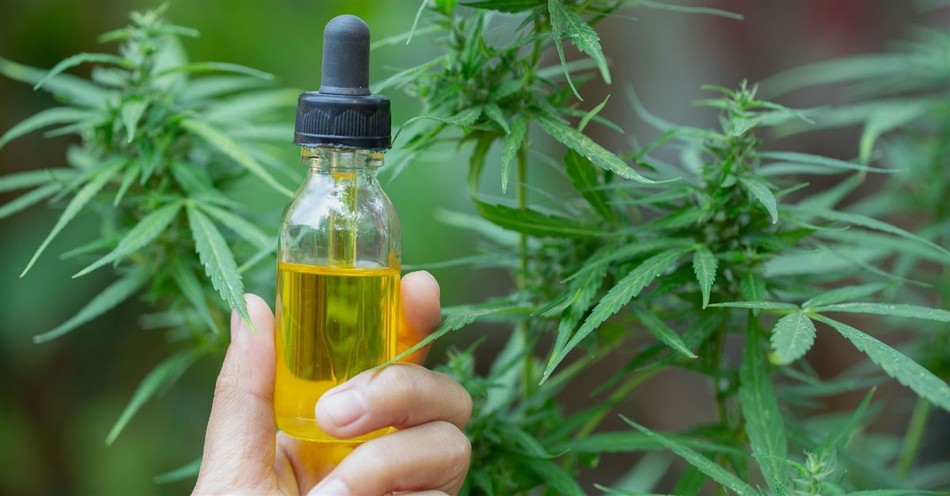
cbd oil bottleCBD oil has become increasingly popular in recent years as a natural remedy for various health concerns. While THC, the psychoactive compound found in cannabis, raises concerns for some individuals, CBD oil without THC has emerged as a viable alternative. In this article, we will explore the effectiveness and benefits of CBD oil without THC, shedding light on its potential for promoting well-being and addressing common health issues.

THC Vs CBD Oil

To comprehend the effectiveness of CBD oil without THC, it is important to differentiate between CBD and THC. While both compounds are derived from the cannabis plant, they possess distinct properties. THC is responsible for the psychoactive effects associated with marijuana, while CBD does not produce the same intoxicating effects.

Potential Health Benefits of CBD Oil

Many individuals turn to CBD oil to manage conditions such as chronic pain, anxiety, insomnia, and inflammation. CBD interacts with the body’s endocannabinoid system, which regulates various physiological processes. This interaction is believed to provide therapeutic benefits, making CBD oil an attractive option for those seeking natural alternatives to traditional medications.

Does CBD Oil Without THC Work?

The absence of THC in CBD oil does not diminish its effectiveness. CBD interacts with various receptors in the body, influencing pain perception, mood, and immune response. While THC may enhance the therapeutic effects of CBD through the entourage effect, CBD alone still holds significant potential for promoting overall well-being.

Clinical Studies and Research

Numerous studies have explored the potential benefits of CBD oil, both with and without THC. Research suggests that CBD alone may be effective in managing pain, reducing anxiety, improving sleep quality, and alleviating inflammation. However, further studies are needed to fully understand the optimal dosage and long-term effects of CBD oil without THC.

Why People Search for CBD Oil without THC?

In recent years, the demand for CBD oil without THC has grown significantly. Several reasons drive people to seek THC-free CBD products. Understanding these motivations sheds light on the popularity and importance of CBD oil without THC in the market.

Let’s explore some of the key reasons why people search for CBD oil without THC.

Avoiding Psychoactive Effects

Perhaps the most common reason people opt for CBD oil without THC is to avoid any psychoactive effects. While THC is known for inducing a “high” sensation, CBD does not produce the same intoxicating properties. Individuals who wish to experience the potential health benefits of CBD while maintaining mental clarity and focus often turn to THC-free options.
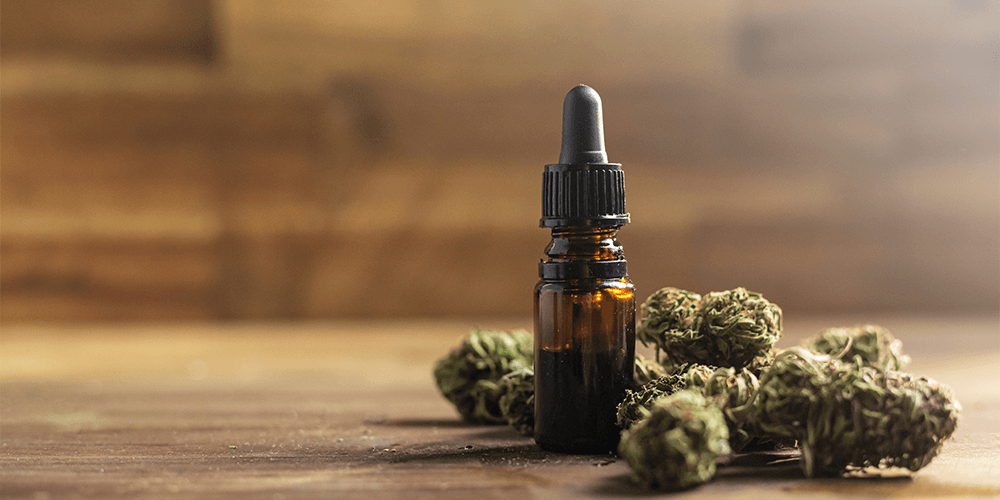
cbd oil

Workplace Drug Testing

Many industries and employers enforce regular drug testing, which can be a cause of concern for individuals using CBD products containing even trace amounts of THC. As THC can accumulate in the body over time, some users may prefer CBD oil without THC to ensure they do not inadvertently fail a drug test and jeopardize their career.

Sensitivity to THC

While most individuals can tolerate THC without adverse effects, some may experience side effects such as anxiety, paranoia, or dizziness. Individuals with THC sensitivity or those prone to anxiety may prefer CBD oil without THC as it offers the potential benefits of CBD without the risk of negative reactions to THC.

Legal Concerns

The legal status of cannabis and its derivatives, including CBD, varies from country to country and even from state to state within some countries.…

Does CBD Oil Get You High?

elderly woman relaxingAs the popularity of cannabidiol (CBD) continues to rise, so does the curiosity surrounding its effects on the human body. One common question that arises is whether CBD oil, derived from the cannabis plant, can induce a state of intoxication or get you high. This article aims to shed light on the subject, dispel any misconceptions, and provide a clear understanding of the effects of CBD oil.
What is CBD and THC?

To comprehend the potential psychoactive properties of CBD oil, it is crucial to distinguish between CBD and tetrahydrocannabinol (THC), the primary psychoactive compound in cannabis. While both CBD and THC are derived from the cannabis plant, their effects on the body differ significantly.

THC is responsible for the euphoric and mind-altering effects commonly associated with marijuana use. It interacts with specific receptors in the brain, leading to a release of dopamine, which produces the characteristic high. In contrast, CBD is non-intoxicating and does not produce the same psychoactive effects as THC.

Psychoactive Effects of CBD

CBD oil, when properly extracted and derived from hemp plants, contains negligible levels of THC (typically less than 0.3%). These low levels are insufficient to cause a psychoactive response. Instead, CBD interacts with various receptors in the body’s endocannabinoid system, which is responsible for regulating various physiological processes, including mood, pain sensation, and immune function.

Furthermore, CBD is known to have a modulating effect on the endocannabinoid system, promoting balance and homeostasis. It can help alleviate anxiety, reduce inflammation, and provide relief from chronic pain without inducing intoxication or impairing cognitive function.

CBD oil

Regulation and Lab Tests

To ensure consumer safety and accurate labeling, reputable CBD oil manufacturers subject their products to rigorous lab testing. These tests measure the cannabinoid content, including THC levels, and confirm the absence of harmful contaminants. By choosing CBD oil from trustworthy sources and checking for third-party lab test results, consumers can have peace of mind regarding the quality and safety of the product they are using.

Legal Considerations

In many countries, including the United States and Canada, CBD oil derived from hemp is legal as long as it contains less than 0.3% THC. However, it is crucial to be aware of the legal regulations specific to your jurisdiction, as they can vary.

The Entourage Effect

It is worth mentioning that CBD oil products can contain other beneficial compounds found in the cannabis plant, such as terpenes and flavonoids. These compounds, along with CBD, may work synergistically in what is known as the “entourage effect.” The entourage effect suggests that the combination of various cannabinoids and plant compounds enhances their individual therapeutic effects, resulting in a more comprehensive and effective overall outcome. However, it is essential to note that these additional compounds do not contribute to the psychoactive effects of CBD oil.

Final Thoughts

CBD oil derived from hemp does not possess the ability to get you high. Unlike THC, CBD is non-intoxicating and does not produce psychoactive effects when consumed within normal dosage ranges. It is essential to source CBD oil from reputable manufacturers, ensuring that the product has undergone proper testing and adheres to legal regulations.

With its potential therapeutic properties and growing body of research, CBD oil offers a natural and safe option for individuals seeking relief from various ailments without the unwanted psychoactive effects associated with marijuana use.…

Does CBD Oil Expire? – Here’s What You Should Know About the Shelf Life of CBD Oil

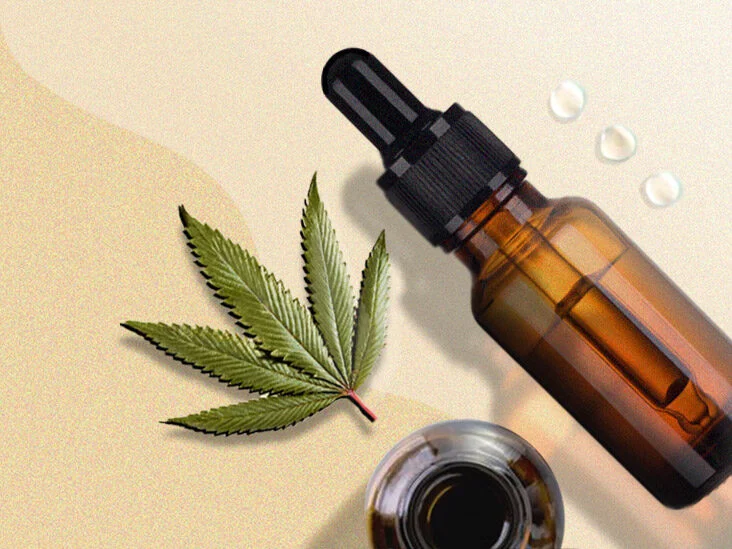
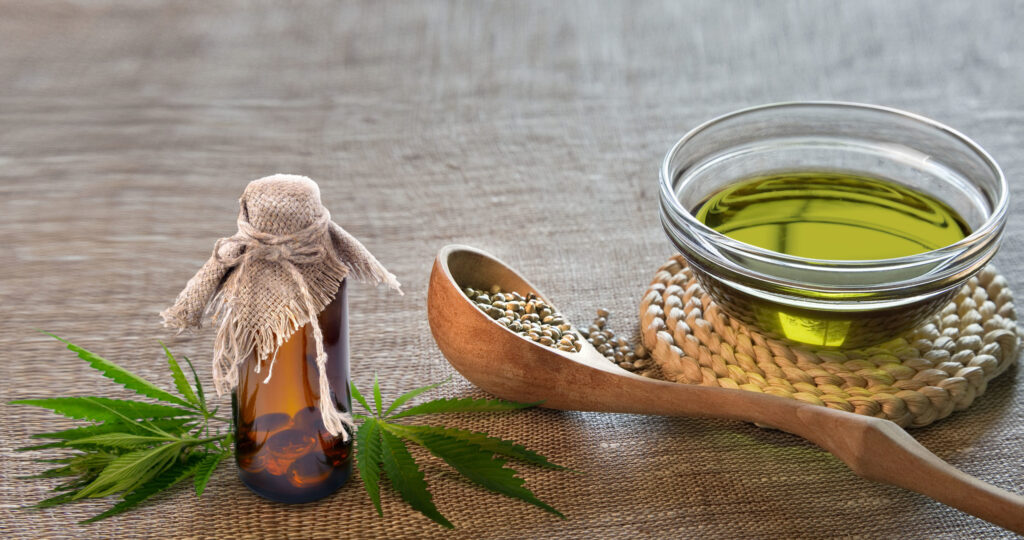
cbd oil bottlesCBD oil has gained significant popularity in recent years due to its potential health benefits and therapeutic properties. However, like any other consumable product, CBD oil has a shelf life, and understanding its durability is crucial for maintaining its potency and effectiveness. In this article, we delve into the shelf life of CBD oil, exploring factors that influence it and offering insights on how to ensure optimal quality and freshness.
Understanding Shelf Life

CBD oil, like other natural products, is subject to degradation over time. Shelf life refers to the period during which a product retains its quality, effectiveness, and safety when stored under appropriate conditions. Factors such as storage conditions, ingredients, extraction methods, and packaging play significant roles in determining the shelf life of CBD oil.

Factors Influencing Shelf Life

The most important factors affecting the shelf life of CBD oil include:

Extraction Method

The extraction method used to obtain CBD oil can impact its shelf life. Supercritical CO2 extraction is a preferred method as it produces high-quality oil with better stability and longevity compared to other extraction methods.

Storage Conditions

Proper storage is crucial for maintaining the potency and freshness of CBD oil. Exposure to factors such as light, heat, air, and moisture can degrade the oil and reduce its shelf life. It is recommended to store CBD oil in a cool, dark place, away from direct sunlight, heat sources, and fluctuating temperatures.

Quality of Ingredients

The quality of the ingredients used in the production of CBD oil can influence its shelf life. CBD oil derived from high-quality, organically grown hemp, without the use of harmful pesticides or chemicals, tends to have a longer shelf life compared to products of lower quality.

Determining Shelf Life

The shelf life of CBD oil can vary depending on various factors. While CBD oil does not typically spoil or become harmful, it may lose potency and effectiveness over time. A general guideline is that most CBD oils have a shelf life of 12 to 24 months from the date of manufacture.

Signs of Degradation

As CBD oil ages, certain signs may indicate its degradation and reduced quality. These signs include a change in color, consistency, or smell. If your CBD oil starts to smell rancid, develops a cloudy appearance, or exhibits an off-putting taste, it may be an indication that it has passed its prime and is no longer as potent as it once was.

Tips for Extending Shelf Life

Let us talk about a few tips to extend the shelf life of CBD oil.

Proper Storage

Ensure proper storage of CBD oil by keeping it in a cool, dark place, away from direct sunlight, heat, and moisture. Consider storing it in the refrigerator, as lower temperatures can help maintain its freshness for longer periods.

bottle of cbd oil

Tight Sealing and Quality Packaging

Check that the CBD oil is stored in a well-sealed, airtight container to prevent air exposure, which can accelerate the degradation process. Look for products packaged in dark-colored glass bottles, as they provide better protection against light exposure.

Purchase from Reputable Brands

Choose CBD oil products from reputable and trusted brands that prioritize quality, transparency, and rigorous manufacturing processes. Reliable brands often provide information on their product’s shelf life and storage recommendations.

Regular Usage and Rotation

To ensure maximum freshness, consider using CBD oil regularly rather than letting it sit unused for extended periods.…

CBD Extraction 101: Unveiling the Secrets Behind Cannabidiol Extraction

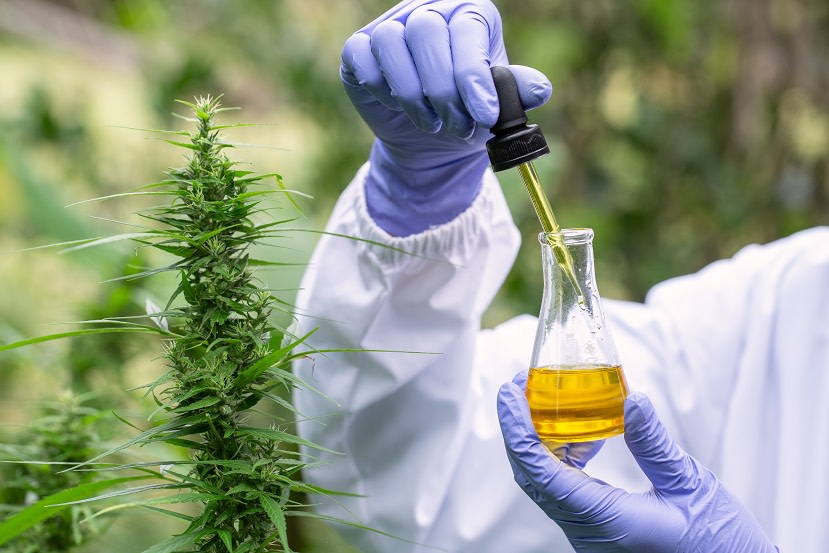
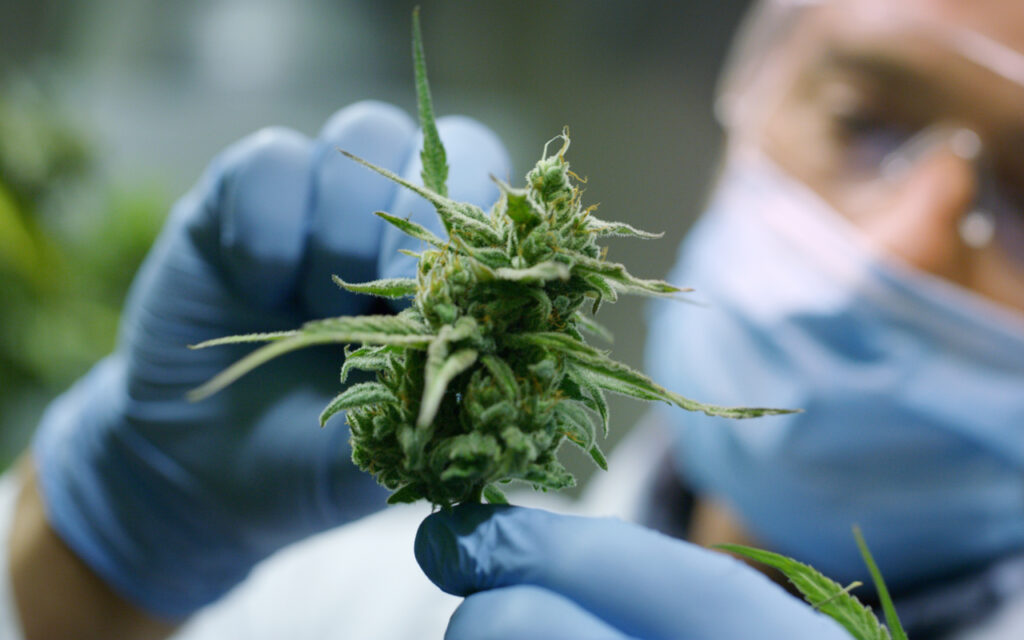
CBD oil and plantCannabidiol (CBD) has emerged as a popular natural remedy for various ailments, gaining significant attention in recent years. As the demand for CBD products continues to rise, it’s crucial to understand the process behind CBD extraction. Whether you’re a curious CBD oil user or an aspiring CBD entrepreneur, this article will delve into the world of CBD extraction, shedding light on the methods and techniques employed to obtain this valuable compound.
What is CBD?

Before we explore CBD extraction, let’s first understand what CBD is. Cannabidiol is a non-intoxicating cannabinoid found in the cannabis plant. Unlike its counterpart tetrahydrocannabinol (THC), CBD doesn’t produce a psychoactive effect but offers potential therapeutic benefits. CBD has been associated with alleviating pain, reducing anxiety and depression, promoting better sleep, and managing various other conditions.

Why is Extraction Necessary?

CBD exists in the cannabis plant as a compound that needs to be extracted to separate it from other plant materials. Extraction allows us to isolate and concentrate CBD, making it suitable for consumption or for use in CBD oils and other products like tinctures, topicals, and edibles. The extraction process is vital in ensuring the purity and potency of CBD, providing a consistent product for consumers.

Methods of CBD Extraction

Several methods are employed to extract CBD from the cannabis plant. Let’s explore some of the most common methods:

CO2 Extraction

Considered one of the most efficient and widely used methods, CO2 extraction employs pressurized carbon dioxide to extract CBD from the plant material. This method utilizes CO2’s unique properties, acting as a solvent under specific temperature and pressure conditions. The process involves passing CO2 through the plant material, resulting in the separation of CBD and other compounds. CO2 extraction is known for its ability to produce high-quality CBD with minimal risk of contaminants.

Solvent Extraction

This method involves using solvents like ethanol, butane, or propane to extract CBD from the plant material. The process entails soaking the plant material in the chosen solvent, allowing it to dissolve the cannabinoids. Afterward, the solvent is evaporated, leaving behind a concentrated CBD extract. While solvent extraction is relatively simple, it requires careful post-processing to remove any residual solvents, which could be harmful if ingested.

Olive Oil Extraction

A traditional and straightforward method, olive oil extraction involves heating the plant material and olive oil to extract CBD. This process requires decarboxylation, wherein heat converts the inactive cannabinoids (such as CBDa) into their active forms (such as CBD). While olive oil extraction is safe and accessible, it yields a less concentrated product and has a shorter shelf life compared to other methods.

extraction of CBD from the herb

Steam Distillation

This method involves exposing the plant material to steam, causing the release of essential oils and CBD. The steam carries the extracted compounds into a condensation chamber, where they separate from the water and can be collected. Steam distillation is primarily used for extracting essential oils but can also be employed to obtain CBD. However, this method is less efficient in extracting CBD compared to others.

Each extraction method has its advantages and disadvantages in terms of efficiency, safety, and product quality. CBD manufacturers carefully select the most appropriate method based on their requirements, resources, and desired end product.

Post-Extraction Processing

Once the CBD extract is obtained, additional processing steps may be undertaken to refine the product further.…

How Long Does It Take For CBD Oil To Work?

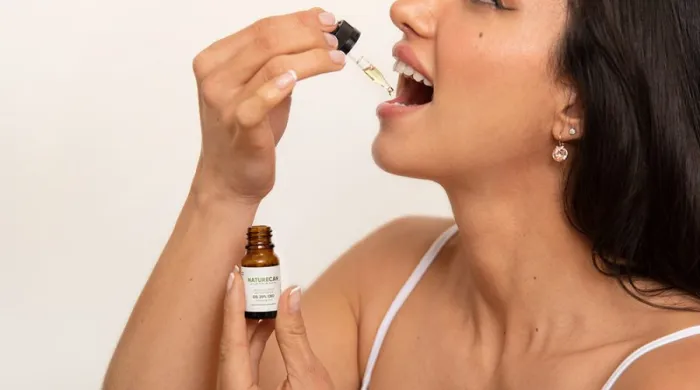
woman taking CBD oilCBD oil has gained significant popularity in recent years for its potential therapeutic benefits. People use CBD oil for various reasons, including managing pain, reducing anxiety, improving sleep, and promoting overall well-being. If you’re considering incorporating CBD oil into your wellness routine, you may be wondering how long it takes to experience the effects. The time it takes for CBD oil to work can vary based on several factors.

In this post, let us try to explore these factors and gain a better understanding of the timeline for CBD oil effects.

Dosage

The dosage of CBD oil you take can impact how quickly it takes effect. The general principle is that higher doses may have more noticeable and faster-acting effects. However, it’s essential to start with a low dosage and gradually increase it to find the right balance for your body. This allows you to assess how your body responds to CBD oil and determine the optimal dosage for your specific needs. It’s important to note that everyone’s body is different, and what works for one person may not work the same way for another.

Consumption Method

The method of consuming CBD oil plays a significant role in how quickly it takes effect. CBD oil is available in various forms, including tinctures, capsules, edibles, topicals, and vape liquids. When consumed orally, such as through tinctures or capsules, CBD oil needs to pass through the digestive system before entering the bloodstream. This process can take anywhere from 30 minutes to 2 hours before you start feeling the effects. On the other hand, methods like inhalation through vaping allow CBD to enter the bloodstream more rapidly, with effects often felt within minutes.

Type of CBD

CBD oil can be derived from both hemp and marijuana plants. Hemp-derived CBD oil contains minimal levels of THC (tetrahydrocannabinol), the psychoactive compound in cannabis, while marijuana-derived CBD oil may contain higher levels of THC. THC can have its own effects and can potentially enhance the overall therapeutic benefits of CBD. However, it’s important to be mindful of local laws and regulations regarding THC content and ensure you are using CBD oil legally and responsibly.

Individual Factors

Each person’s body chemistry is unique, which means the time it takes for CBD oil to work can vary from person to person. Individual factors such as metabolism, body weight, and overall health can influence how quickly CBD oil is absorbed and metabolized in the body. Some individuals may experience the effects of CBD oil within minutes, while others may take longer to notice any changes. It’s advisable to be patient and give your body time to adjust to CBD oil before determining its effectiveness.

a sand clock

Purpose of Usage

The purpose for which you are using CBD oil can also influence the time it takes to work. Some conditions, such as chronic pain or anxiety, may require regular and consistent use of CBD oil over a period of time to experience noticeable relief. Other acute conditions, such as situational anxiety or exercise-induced muscle soreness, may have more immediate effects with CBD oil. It’s important to have realistic expectations and understand that CBD oil is not a magical cure-all but rather a complementary wellness tool that works differently for each individual.

Final Thoughts

The time it takes for CBD oil to work can vary based on factors such as the method of consumption, dosage, individual factors, type of CBD, and the purpose of use.…

CBD Oil vs. Hemp Seed Oil: Understanding the Difference

CBD oil vs hemp seed oilBoth CBD oil and Hemp seed oil have recently gained a significant attention in the past few years owing to their amazing health benefits. However, users are often confused about the differences between the two products. While both of these products are derived from the hemp plant, they vary in terms of effects, uses, and composition.
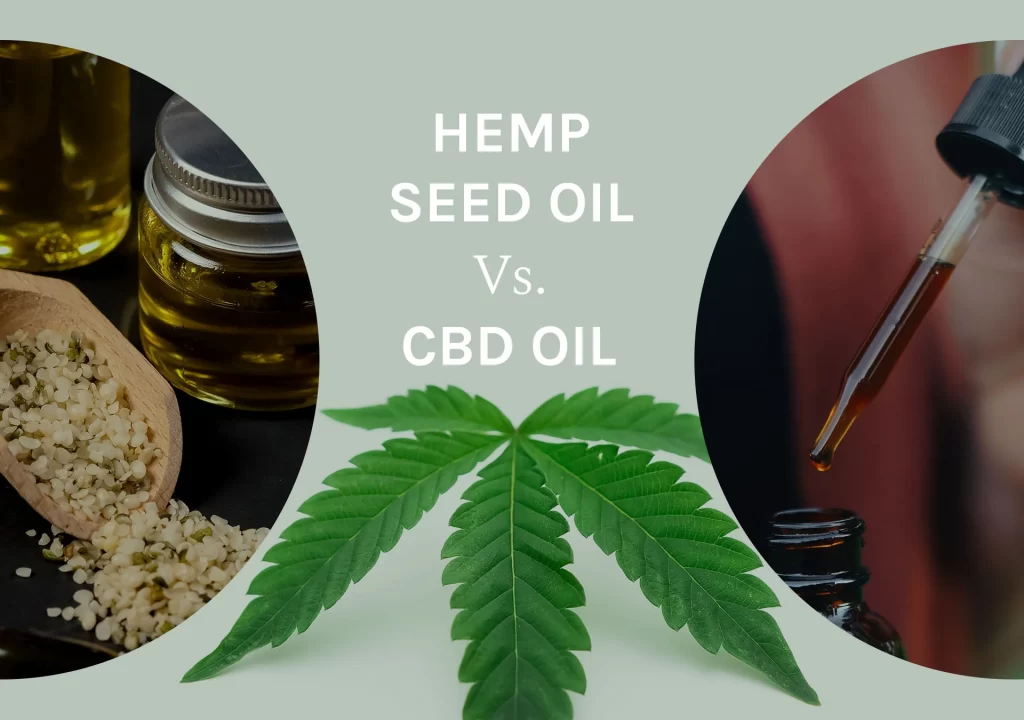

Today, let us try to understand the differences between CBD oil and Hemp seed oil and shed some light on their unique applications and characteristics.

Extraction and Composition

CBD (cannabidiol) oil is extracted from the flowers, leaves, and stalks of the hemp plant using various extraction methods such as CO2 extraction. It contains high concentrations of CBD and other cannabinoids, along with trace amounts of THC (tetrahydrocannabinol), the psychoactive compound found in marijuana. CBD oil can be further refined to isolate CBD, resulting in a pure form known as CBD isolate.

Hemp seed oil, or hemp oil, on the other hand, is extracted solely from the seeds of the hemp plant. The seeds undergo a cold-pressing process to extract the oil. Hemp seed oil does not contain CBD or significant levels of cannabinoids. Instead, it is rich in essential fatty acids, including omega-3 and omega-6, vitamins, minerals, and antioxidants.

Benefits and Uses

CBD oil is popular for its potential therapeutic effects. It interacts with the body’s endocannabinoid system, which regulates various physiological functions, including pain perception, inflammation, mood, sleep, and immune response. Research suggests that CBD oil may have anti-inflammatory, analgesic, anxiolytic, and neuroprotective properties. It is commonly used to alleviate pain, reduce anxiety and depression, improve sleep quality, and manage certain neurological conditions like epilepsy.

On the other hand, hemp seed oil is mainly used as a dietary supplement. It is rich in essential fatty acids, including alpha-linolenic acid (ALA) and linoleic acid (LA), which are beneficial for heart health, brain function, and maintaining healthy skin. Hemp seed oil is often incorporated into skincare products through topical application due to its moisturizing and nourishing properties. It is also utilized in cooking as a healthy oil alternative.

Legality

The legal status of CBD oil varies from country to country and within different jurisdictions. In some regions, CBD oil derived from hemp containing less than 0.3% THC is legal, while in others, its usage may be restricted or require a prescription. However, CBD oil derived from marijuana plants, which typically contains higher levels of THC, is subject to stricter regulations.

Hemp seed oil is widely available and legal in most countries. It is commonly found in health food stores, supermarkets, and online retailers as a nutritional supplement and culinary oil. Since hemp seed oil does not contain CBD or THC in significant quantities, it is not subject to the same regulations as CBD oil.

hemp seed oil vs CBD oil

Potential Adverse Effects

Though CBD oil is mostly tolerated by everybody, some users might report mild side effects. These can include dry mouth, drowsiness, changes in appetite, and gastrointestinal disturbances. Additionally, CBD oil derived from full-spectrum extracts containing trace amounts of THC may carry a risk of triggering a positive result on drug tests.

Hemp seed oil, on the other hand, is completely safe for consumption and topical application with some side effects in a few cases.

Final Thoughts

CBD oil and hemp seed oil are distinct products with different compositions, uses, and effects.…

Effects of CBD Oil on Age-Related Conditions

an elderly woman with a doctorAs the population ages, more and more people are exploring natural remedies to support healthy aging. One area of interest is the potential effects of CBD (cannabidiol) on age-related conditions and overall wellness. In this article, we will delve into the latest research and discuss the possible benefits of CBD oil for aging individuals, addressing age-related conditions and promoting general well-being.

CBD Oil and Aging

CBD is a non-psychoactive compound derived from the cannabis plant known for its potential therapeutic properties. Research suggests that CBD interacts with the body’s endocannabinoid system, which plays a role in regulating various bodily functions. As individuals age, they may experience age-related conditions such as chronic pain, inflammation, cognitive decline, and sleep disturbances. CBD has shown promise in addressing these issues due to its potential analgesic, anti-inflammatory, neuroprotective, and sleep-promoting properties.

CBD Oil for Age-Related Pain Management

Chronic pain is a common issue among aging individuals. CBD has demonstrated potential as a natural alternative for pain management. Studies indicate that CBD may interact with pain receptors in the body, reducing pain perception and inflammation. By modulating the endocannabinoid system, CBD can potentially alleviate pain associated with conditions like arthritis, neuropathy, and musculoskeletal disorders. However, more research is needed to determine the ideal dosage, administration methods, and long-term effects of CBD for pain management in aging individuals.

CBD for Sleep and Relaxation

Quality sleep becomes increasingly important as individuals age. Sleep disturbances are common among older adults, leading to daytime fatigue and decreased overall well-being. CBD may aid in promoting better sleep by reducing anxiety, alleviating pain, and influencing sleep-regulating mechanisms. Research suggests that CBD interacts with receptors in the endocannabinoid system involved in sleep regulation. By promoting relaxation and reducing stress levels, CBD may help aging individuals achieve a more restful night’s sleep. However, individual responses to CBD can vary, and it’s important to find the right dosage and consult with a healthcare professional.

CBD for Cognitive Health

Cognitive decline, including conditions like Alzheimer’s disease and dementia, can significantly impact aging individuals’ quality of life. CBD has shown promise in supporting brain health and potentially delaying cognitive decline. Research suggests that CBD’s anti-inflammatory and neuroprotective properties may help reduce oxidative stress and neuroinflammation, both of which are associated with cognitive decline. Additionally, CBD may promote neurogenesis, the growth and development of new neurons, potentially enhancing cognitive function. While the research is still in its early stages, these findings highlight CBD’s potential as a natural compound for supporting cognitive health in aging individuals.

Effects on General Well-Being

Beyond addressing specific age-related conditions, CBD may contribute to overall well-being in aging individuals. CBD’s potential anti-inflammatory, antioxidant, and anxiolytic properties may help reduce oxidative stress, inflammation, and anxiety levels, improving overall quality of life. Furthermore, CBD’s interaction with the endocannabinoid system may contribute to maintaining homeostasis, supporting various bodily functions. However, it’s important to note that CBD is not a magical cure-all, and its effects may vary depending on the individual.

Final Thoughts

While research on CBD and aging is still evolving, preliminary findings suggest that CBD may hold promise for addressing age-related conditions and promoting general well-being in aging individuals. As always, it is important to consult with healthcare professionals, start with low doses, and ensure the quality and legality of CBD products to make sure you get the desired effects.

CBD For Gut Health – Can CBD Oil Help with Digestive Disorders?

woman with stomach acheGut health plays a crucial role in our overall well-being, influencing digestion, immune function, and even mental health. With growing interest in natural remedies, CBD has emerged as one of the hottest topics of discussion due to its potential benefits.
In this article, we will delve into the relationship between CBD and gut health, exploring how CBD oil may offer potential advantages for individuals dealing with digestive disorders and promoting overall gastrointestinal wellness.

Gut Health and Digestive Problems

The gastrointestinal (GI) tract is a complex system responsible for the digestion and absorption of nutrients, as well as housing a significant portion of our immune system. Digestive disorders such as irritable bowel syndrome (IBS), inflammatory bowel disease (IBD), and gastrointestinal inflammation can cause discomfort, pain, and negatively impact quality of life.

Potential Benefits of CBD Oil for Gut Health

CBD Oil is known to offer several benefits for gut health, thereby boosting digestion and helping you find relief from the symptoms of digestive disorders.

Anti-Inflammatory Action

CBD has shown promising anti-inflammatory properties, which may help reduce inflammation in the GI tract. Inflammation is a common factor in many digestive disorders, and by targeting inflammation, CBD may alleviate symptoms associated with these conditions.

Pain Relief

CBD’s analgesic properties may provide relief from abdominal pain, cramping, and discomfort often experienced by individuals with digestive disorders. By interacting with the body’s endocannabinoid system (ECS), CBD may help modulate pain signals and promote comfort.

Gut-Brain Axis

The gut and the brain communicate bidirectionally through the gut-brain axis. CBD’s potential anxiolytic and antidepressant properties may help alleviate stress, anxiety, and depression, which are commonly associated with digestive disorders. By supporting mental well-being, CBD may indirectly benefit gut health.

Gut Motility Regulation

CBD may help regulate gut motility, addressing issues such as diarrhea and constipation. Studies have suggested that CBD can influence the movement of muscles in the GI tract, potentially restoring balance and normalizing bowel movements.

Relief from Nausea

CBD has shown promise in reducing nausea and vomiting, symptoms often experienced by individuals with conditions like IBD and chemotherapy-induced nausea. By interacting with serotonin receptors and other neurotransmitter systems, CBD may help alleviate these distressing symptoms.

How to Use CBD Oil for Gut Health

If you are considering using CBD to support gut health, it is important to follow these best practices:

Consult a Healthcare Provider

Before incorporating CBD into your routine, consult with a healthcare professional, especially if you have an existing medical condition or are taking medications.

Get High-Quality Products

Look for CBD products sourced from reputable manufacturers that undergo third-party testing to ensure quality and purity.

Start with Low Doses

Begin with a low CBD dosage and gradually increase as needed, observing how your body responds. Every individual’s response to CBD may vary.

Go for Full-Spectrum

Full-spectrum CBD products contain a wide range of cannabinoids, terpenes, and other beneficial compounds that work together synergistically. This is known as the entourage effect, which may enhance the overall benefits.

Follow Healthy Lifestyle

While CBD may offer potential benefits for gut health, it is essential to maintain a healthy lifestyle that includes a balanced diet, regular exercise, stress management, and adequate sleep.

Final Thoughts

While research on CBD and gut health is still in its early stages, preliminary findings suggest that CBD may offer potential benefits for individuals with digestive disorders.…

Can CBD Oil Help With Weight Management?

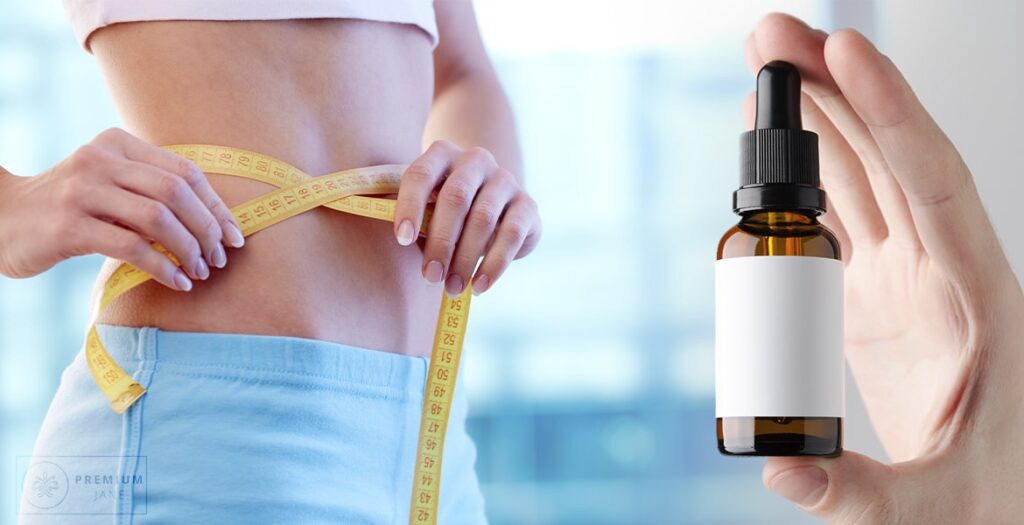
woman measuring herself Weight management is a concern for many individuals seeking to maintain a healthy lifestyle. While diet and exercise are key factors, emerging research suggests that CBD oil may play a role in supporting weight management efforts. Cannabidiol (CBD), a non-psychoactive compound derived from the cannabis plant, has gained attention for its potential therapeutic benefits, including its impact on appetite regulation and metabolism. In this article, we will delve into the topic of CBD oil and its potential role in weight management.
Appetite Regulation

CBD oil may influence appetite regulation by interacting with the endocannabinoid system (ECS) in the body. The ECS is involved in various physiological processes, including appetite and energy balance. Studies suggest that CBD may help regulate appetite by interacting with cannabinoid receptors in the ECS. It has been found that CBD can potentially reduce appetite in certain individuals, leading to a decreased calorie intake and potentially supporting weight management efforts.

Metabolism

Another aspect of weight management is metabolism, which refers to the body’s ability to convert food into energy. Some research indicates that CBD oil may influence metabolism by interacting with receptors involved in metabolism regulation. It is suggested that CBD may enhance the body’s ability to burn calories and fat by stimulating certain metabolic pathways. While more research is needed, these findings suggest that CBD oil may have a potential impact on metabolic processes related to weight management.

Fat Browning

CBD oil has also been linked to a process called “fat browning.” White adipose tissue (WAT) is the primary type of fat in the body and is associated with increased health risks. Brown adipose tissue (BAT), on the other hand, is responsible for burning calories to generate heat. Studies have shown that CBD can potentially induce fat browning, transforming white fat into brown fat, which could potentially lead to increased calorie burning and improved metabolic function.

Stress and Emotional Eating

Stress and emotional eating are common factors that contribute to weight gain and difficulties in weight management. CBD oil has been studied for its potential role in reducing stress and anxiety. By reducing stress levels, CBD oil may help curb emotional eating and promote healthier eating habits. By addressing the underlying causes of overeating, CBD oil may indirectly support weight management efforts.

Quality Sleep

Adequate sleep is essential for maintaining a healthy weight. Lack of sleep can disrupt hormone levels, leading to increased appetite and cravings. CBD oil has been reported to help improve the quality and duration of sleep in some individuals. By promoting better sleep patterns, CBD oil may indirectly contribute to weight management by supporting healthy hormone regulation and reducing the risk of sleep-related weight gain.

It’s important to note that while preliminary research is promising, more extensive studies are needed to fully understand the impact of CBD oil on weight management. Additionally, individual responses to CBD oil may vary, and it should not be seen as a standalone solution for weight loss. A comprehensive approach to weight management, including a balanced diet, regular exercise, and consulting with healthcare professionals, is still essential.

Before incorporating CBD oil into your weight management routine, it is crucial to consult with a healthcare professional who is knowledgeable about CBD and its potential effects. They can provide personalized guidance based on your specific health needs and considerations.

In summary, while CBD oil shows promise in influencing appetite regulation, metabolism, fat browning, and stress reduction, its exact role in weight management requires further research.…

CBD Oil vs. THC: Understanding the Differences and Benefits

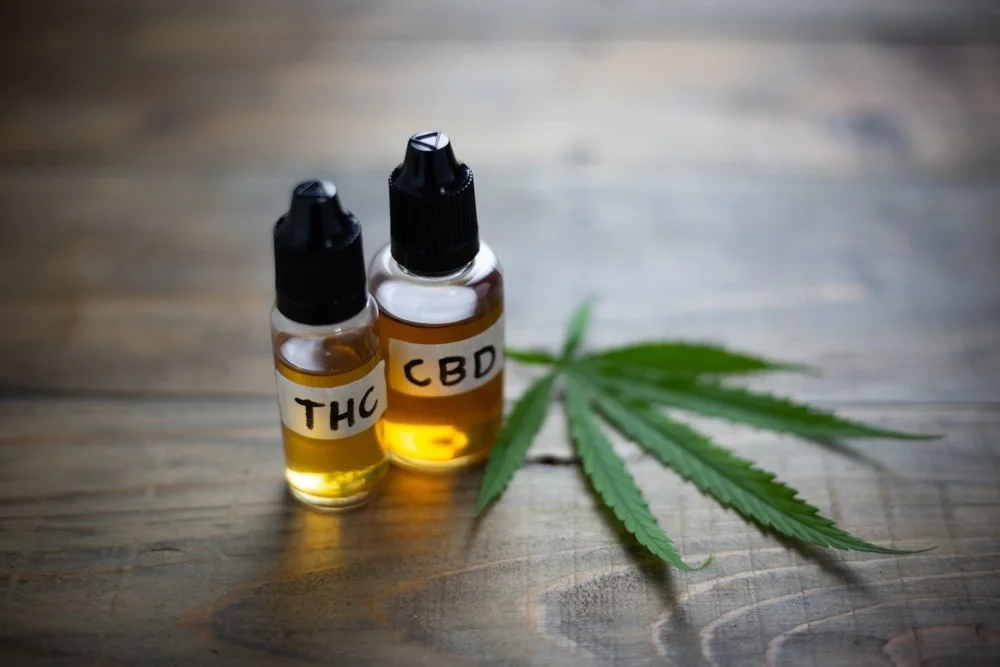
THC vs CBD OilCBD oil and THC (tetrahydrocannabinol) are two compounds derived from the cannabis plant, but they have distinct properties and effects on the body. In this article, we will delve into the differences between CBD oil and THC, their respective benefits, and how they interact with the endocannabinoid system.

CBD (cannabidiol) and THC are both cannabinoids, which are chemical compounds found in cannabis plants. However, they interact with different receptors in the body, resulting in varying effects. THC is the psychoactive component responsible for the “high” associated with marijuana use. On the other hand, CBD does not produce intoxicating effects and is typically derived from hemp plants, which contain minimal THC levels.

One of the key distinctions between CBD oil and THC is their impact on cognition and perception. THC binds directly to the CB1 receptors in the brain, leading to the euphoric and psychoactive effects commonly associated with marijuana use. In contrast, CBD does not bind strongly to CB1 receptors and does not induce mind-altering effects. This makes CBD oil a favorable option for those seeking potential health benefits without the psychoactive experience.

CBD oil has gained significant attention for its potential therapeutic properties. It has been studied for its anti-inflammatory, analgesic (pain-relieving), and anxiolytic (anxiety-reducing) effects. Research suggests that CBD interacts with various receptors in the body, including CB1 and CB2 receptors of the endocannabinoid system. By influencing these receptors, CBD may help regulate pain, inflammation, and mood.

Furthermore, CBD oil has shown promise in managing certain medical conditions. Epidiolex, a prescription medication containing CBD, has been approved by the U.S. Food and Drug Administration (FDA) for the treatment of rare forms of epilepsy, such as Dravet syndrome and Lennox-Gastaut syndrome. This approval highlights the potential therapeutic value of CBD oil in addressing specific health conditions.

In contrast, THC has its own set of potential benefits. It is primarily known for its analgesic properties and has been used for pain management in medical settings. THC can also stimulate appetite, making it beneficial for individuals experiencing loss of appetite due to certain medical conditions or treatments such as chemotherapy. Additionally, THC may have potential benefits for managing nausea and vomiting.

It’s important to note that the legal status of CBD oil and THC can vary. While CBD oil derived from hemp is federally legal in the United States, THC remains classified as a controlled substance in many jurisdictions. However, some states and countries have legalized the recreational or medical use of marijuana, which contains higher levels of THC. It is essential to be aware of the local laws and regulations governing the use of THC and CBD oil in your specific location.

When considering CBD oil or THC for personal use, it is advisable to consult with a healthcare professional who can provide guidance based on your individual circumstances and medical history. They can help determine the appropriate dosage, potential interactions with other medications, and address any concerns or questions you may have.

CBD oil and THC are distinct compounds derived from the cannabis plant. While CBD oil offers potential therapeutic benefits without the psychoactive effects associated with THC, THC has its own set of potential benefits, particularly in pain management and appetite stimulation. Understanding the differences between CBD oil and THC is crucial for individuals seeking to explore the potential benefits of cannabis-derived products.…