
Press "Enter" to skip to content

Real CBD Oils

Full Spectrum CBD and Its Neurological Benefits

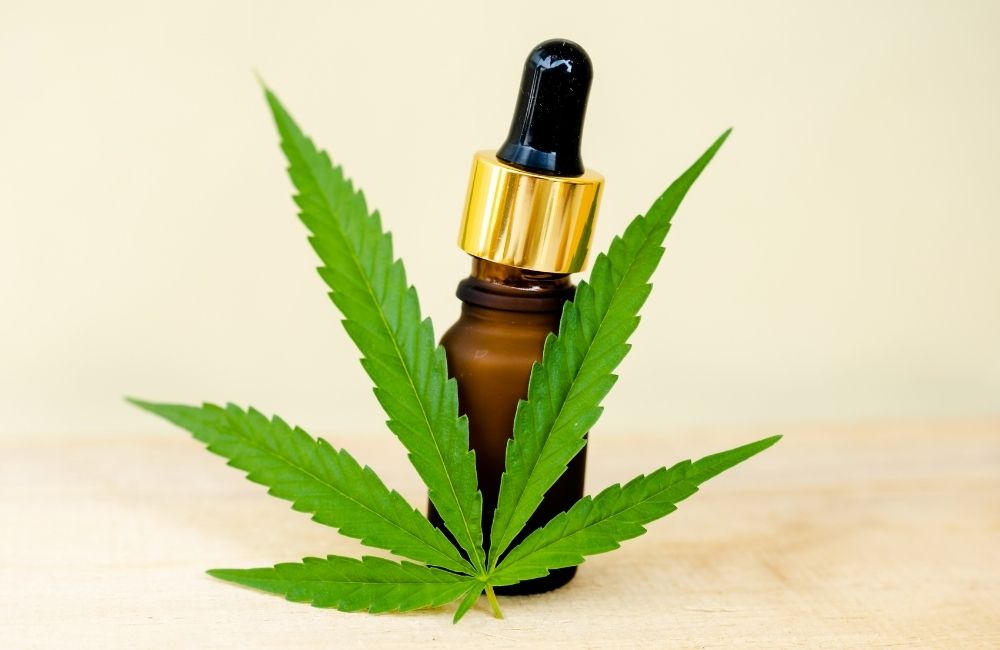
full spectrum CBD oilFull-spectrum CBD, short for cannabidiol, has gained significant attention in recent years for its potential neurological benefits. As one of the many compounds found in the cannabis plant, CBD is non-psychoactive and has shown promise in a wide range of neurological conditions. In this article, we will explore the concept of full-spectrum CBD and how it may offer neurological benefits.

Understanding Full-Spectrum CBD

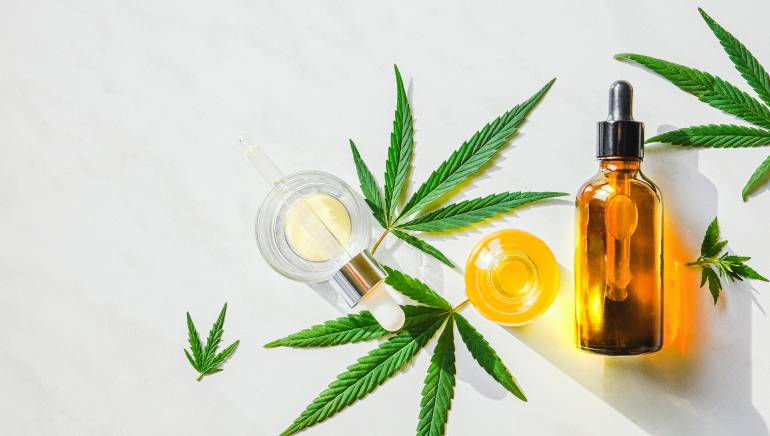
Full-spectrum CBD is an extract from the cannabis plant that contains not only CBD but also a variety of other compounds, including other cannabinoids, terpenes, and trace amounts of THC (tetrahydrocannabinol). This combination of compounds working together is often referred to as the “entourage effect.” The idea behind the entourage effect is that the various compounds in the cannabis plant may enhance each other’s therapeutic effects when taken together, potentially providing greater benefits than isolated CBD.

Neurological Benefits of Full-Spectrum CBD

Here are some of the top benefits of full-spectrum CBD.

Pain Management

One of the most well-known uses of CBD is its potential to alleviate pain, including neurological pain conditions such as neuropathic pain and migraines. Full-spectrum CBD’s interaction with the endocannabinoid system and its anti-inflammatory properties may contribute to its pain-relieving effects.

Sleep Disorders

CBD has been found to improve sleep quality and alleviate insomnia symptoms in some individuals. By regulating sleep patterns and addressing underlying anxiety or pain issues, full-spectrum CBD may provide relief for those with sleep disorders like insomnia or sleep apnea.

Neuroprotective Properties

Full-spectrum CBD has demonstrated neuroprotective properties in various preclinical studies. It may help protect nerve cells from damage, making it a potential candidate for conditions like multiple sclerosis (MS) and Alzheimer’s disease. While more research is needed, these findings hold promise for the future of neurological medicine.

Stress and Anxiety Relief

Full-spectrum CBD has shown promise in reducing anxiety and stress levels. It may affect the brain’s receptors for serotonin, a neurotransmitter that plays a key role in regulating mood. This can be particularly beneficial for individuals dealing with anxiety disorders, post-traumatic stress disorder (PTSD), and generalized anxiety.

Seizure and Epilepsy

Perhaps the most significant breakthrough in CBD’s neurological benefits is its effectiveness in reducing seizures, especially in rare forms of epilepsy such as Dravet syndrome and Lennox-Gastaut syndrome. The FDA has approved a CBD-based medication, Epidiolex, for the treatment of these conditions, highlighting the compound’s potential in neurological medicine.

Mood Regulation

Full-spectrum CBD may also play a role in mood regulation, making it potentially beneficial for conditions like bipolar disorder and depression. While it’s not a replacement for traditional psychiatric medications, it could be used as a complementary treatment option.

mental health

Neuroinflammation Reduction

Chronic neuroinflammation is implicated in various neurological disorders. CBD’s anti-inflammatory properties may help reduce neuroinflammation, which is thought to contribute to conditions like Parkinson’s disease and multiple sclerosis.

Safety Considerations

While full-spectrum CBD offers several potential neurological benefits, it’s important to consider safety and legality. CBD products derived from industrial hemp typically contain less than 0.3% THC, which is not enough to produce psychoactive effects. However, it’s crucial to research and purchase CBD products from reputable sources to ensure purity and quality.

Additionally, individuals should consult with a healthcare professional before starting any CBD regimen, especially if they are currently taking medications or have underlying medical conditions. Dosage and potential interactions with other substances should be carefully monitored under medical guidance.…

What are the Best Ways to Take CBD Oil?

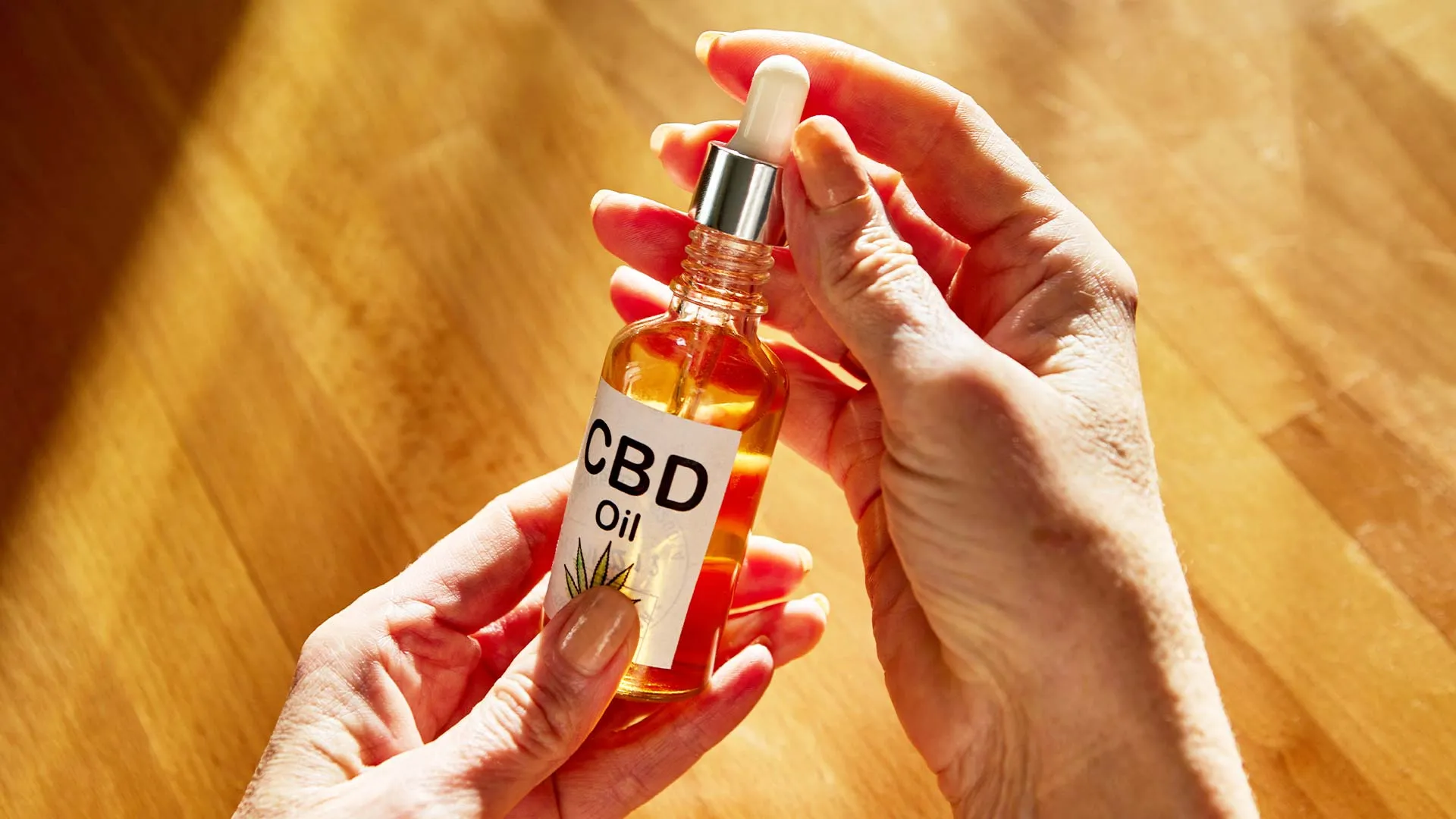
CBD oil has gained significant popularity in recent years due to its potential health benefits. From pain relief to anxiety reduction, the therapeutic uses of CBD oil are vast. However, for those new to this wellness trend, figuring out the best ways to take CBD oil can be a bit daunting. Here are some of the most effective methods.

Sublingual Administration

This is one of the most common ways to take CBD oil. Simply place a few drops of the oil under your tongue, hold it there for about 60-90 seconds, and then swallow. This method allows the CBD to be absorbed directly into your bloodstream, providing quicker effects.

Capsules and Edibles

If you’re not a fan of the taste of CBD oil, capsules and edibles are a great alternative. They come in a variety of flavors and make CBD dosing easy. However, they take longer to kick in as they need to be digested first.

Topicals

CBD topicals, such as creams, balms, and salves, are designed for external application, offering targeted relief for localized discomfort. Users can apply these products directly to the skin, allowing the CBD to interact with cannabinoid receptors in the area. This method is popular for addressing muscle soreness, joint pain, and skin conditions, providing a focused approach to wellness.

Vaping or Smoking

Inhaling CBD oil is another method. It provides the fastest effects as the CBD is absorbed directly into your bloodstream through your lungs. However, this method may not be suitable for everyone, especially those with respiratory issues.

CBD Oil-infused Food and Drinks

For those who enjoy a flavorful experience, CBD edibles provide a delectable option. CBD-infused gummies, chocolates, and other treats offer a tasty and discreet way to consume CBD. Edibles undergo the digestive process, resulting in a slower onset of effects compared to sublingual methods. This method is ideal for individuals who savor the ritual of enjoying CBD-infused treats while experiencing prolonged effects.

Combining Methods

Many individuals choose to combine multiple methods to tailor their CBD experience. For example, using sublingual tinctures for fast relief while incorporating edibles for a prolonged effect allows for a customized wellness routine. Experimenting with different methods and observing how the body responds enables users to optimize their CBD journey based on individual preferences and needs.

Selection of High-Quality Products

Regardless of the chosen method, the quality of the CBD product is paramount. Opting for high-quality, third-party tested CBD ensures that users receive the intended benefits without unwanted contaminants. Reputable brands transparently provide information about the source of their hemp, extraction methods, and product testing, empowering consumers to make informed choices.

Final Thoughts

Choosing the best way to take CBD oil is a deeply personal decision that hinges on individual preferences, lifestyle, and wellness goals. Whether through sublingual tinctures for swift absorption, capsules for convenient consistency, or edibles for a delightful experience, the diverse array of methods allows users to tailor their CBD journey. By exploring the possibilities and considering the quality of CBD products, individuals unlock personalized paths to wellness, where the journey is as enriching as the destination.

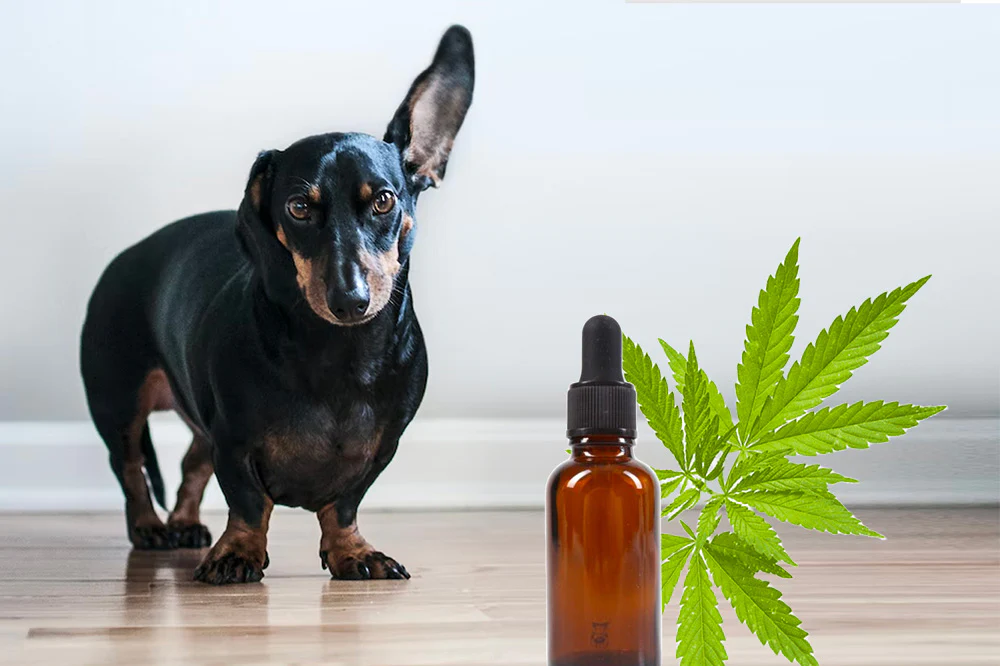
CBD Oil for Dogs – Benefits and Considerations

CBD oil, derived from the hemp plant, has gained significant attention for its potential therapeutic effects on various health conditions in humans. In recent years, this natural remedy has also been explored for its potential benefits in dogs. From alleviating pain to reducing anxiety, CBD oil is being embraced by dog owners and veterinarians alike. However, understanding the intricacies of CBD oil for dogs, including its benefits, risks, and key considerations, is crucial for responsible pet ownership.

Benefits of CBD Oil for Dogs

Let us explore some of the main benefits CBD oil offers for dogs.

Pain Management

One of the most well-researched benefits of CBD oil is its potential to manage pain in dogs. It interacts with the endocannabinoid system, which plays a role in regulating pain perception. This makes CBD oil a potential option for dogs dealing with chronic pain, arthritis, or pain from injuries.

Anti-Inflammatory Properties

CBD oil’s anti-inflammatory properties could benefit dogs with conditions like allergies, skin irritations, or inflammatory bowel disease. By reducing inflammation, it may help alleviate discomfort and improve overall well-being.

Stress and Anxiety Relief

Dogs, like humans, can experience anxiety and stress. CBD oil has shown promise in helping dogs manage anxiety related to separation, loud noises (thunderstorms, fireworks), or changes in environment. It may have a calming effect by influencing serotonin receptors in the brain.

Seizure Management

In some cases, CBD oil has been used as an adjunctive treatment for dogs with epilepsy or other seizure disorders. While research is ongoing, some studies suggest that CBD oil might help reduce the frequency and severity of seizures.

Risks and Considerations

Here are some of the considerations you should be aware of while using CBD oil for your pets.

THC Content

THC is the psychoactive compound in cannabis that can be toxic to dogs in high amounts. Ensure that the CBD oil you choose contains minimal to no THC. Full-spectrum CBD products may contain trace amounts of THC, so carefully review product labels.

Dosage and Quality

Not all CBD products are created equal. It’s essential to choose a high-quality CBD oil specifically formulated for dogs. Additionally, determining the appropriate dosage for your dog’s size, weight, and health condition is crucial. Consulting a veterinarian experienced in CBD use can help you find the right product and dosage.

Possible Side Effects

While generally considered safe, CBD oil can have side effects in dogs, including dry mouth, lowered blood pressure, and drowsiness. These side effects are usually mild, but it’s still important to be aware of them.

Individual Response

Just like humans, dogs can have varying responses to CBD oil. Some dogs may experience positive effects, while others might not show any noticeable changes. It’s important to monitor your dog’s response and consult a vet if you have concerns.

Tips for Using CBD Oil for Dogs

Below are some useful tips that should help you make the most out of your CBD oil for dogs.

giving CBD oil to dog

Pick Reputable Products

Select CBD products from reputable manufacturers that provide third-party lab testing to verify the quality and potency of their products. Look for products specifically designed for pets and containing CBD derived from hemp.

Consult your Vet

Before incorporating CBD oil into your dog’s routine, consult a veterinarian who is knowledgeable about CBD use in pets. They can provide guidance on dosing, potential interactions with other medications, and whether CBD is appropriate for your dog’s specific condition.…

How CBD Helps Reduce Exercise-Induced Inflammation

lady working out Exercise is a vital component of a healthy lifestyle, offering numerous benefits to physical and mental well-being. However, intensive physical activity can also lead to inflammation and soreness in the body, commonly known as exercise-induced inflammation. In recent years, CBD (cannabidiol), a non-psychoactive compound derived from the cannabis plant, has gained attention for its potential to alleviate such inflammation and promote recovery. This article explores how CBD works to reduce exercise-induced inflammation and its potential benefits for fitness enthusiasts.

Understanding Exercise-Induced Inflammation

Exercise-induced inflammation is a natural response that occurs as a result of strenuous physical activity. During exercise, muscle fibers undergo microscopic damage, triggering an immune response that involves the release of pro-inflammatory cytokines. While this process is essential for muscle repair and growth, excessive inflammation can lead to delayed recovery, muscle soreness, and even the risk of overuse injuries.

How CBD Interacts with the ECS

CBD interacts with the body’s endocannabinoid system (ECS), a complex network of receptors and neurotransmitters that helps regulate various physiological processes, including pain perception, immune response, and inflammation. CBD indirectly influences the ECS by interacting with its receptors, particularly CB2 receptors found in immune cells and peripheral tissues.

Anti-Inflammatory Properties of CBD

One of the key mechanisms through which CBD may help reduce exercise-induced inflammation is its anti-inflammatory properties. CBD has been shown to modulate the immune response by suppressing the production of pro-inflammatory cytokines and promoting the release of anti-inflammatory signals. This balancing effect contributes to a more controlled inflammatory response, potentially reducing the severity of post-exercise inflammation.

Pain Management and Analgesic Effects

Exercise-induced inflammation often accompanies muscle soreness and discomfort. CBD’s potential analgesic effects can help manage pain associated with inflammation. While the exact mechanisms are not fully understood, CBD is believed to impact pain perception by interacting with receptors involved in pain signaling pathways.

Promoting Muscle Recovery

Adequate recovery is essential for optimizing the benefits of exercise. CBD’s potential to reduce inflammation and pain may contribute to faster recovery by allowing muscles to repair more effectively. Additionally, its relaxation-promoting effects can aid in reducing muscle tension and promoting a state of rest conducive to recovery.

CBD products

Reducing Oxidative Stress

Intense exercise can also lead to oxidative stress, where the body’s antioxidant defenses are overwhelmed by the production of free radicals. This oxidative stress can exacerbate inflammation and delay recovery. CBD’s antioxidant properties may help counteract oxidative stress by neutralizing free radicals and promoting a healthier cellular environment.

Considerations for Individual Responses

It’s important to note that individual responses to CBD can vary based on factors such as dosage, method of consumption, and personal physiology. While many people report positive outcomes in reducing exercise-induced inflammation, it’s recommended to consult a healthcare professional before incorporating CBD into your post-exercise recovery routine, especially if you have any pre-existing medical conditions or are taking other medications.

Final Thoughts

CBD’s potential to reduce exercise-induced inflammation holds promise for athletes and fitness enthusiasts seeking natural ways to enhance recovery and alleviate post-workout discomfort. By interacting with the endocannabinoid system and modulating immune responses, CBD may contribute to a more balanced inflammatory reaction and improved overall recovery.

However, further research is needed to fully understand CBD’s mechanisms of action and its optimal use for exercise-related benefits. As interest in CBD continues to grow, individuals considering its incorporation into their fitness regimen should approach it with careful consideration and guidance from healthcare professionals.

5 Things You Should Know About CBD

In recent years, CBD, or cannabidiol, has taken the health and wellness world by storm. Derived from the cannabis plant, CBD is renowned for its potential therapeutic benefits without the psychoactive effects commonly associated with its cousin, THC. As CBD continues to gain popularity, here are five key things you should know about this fascinating compound.

1. Non-Psychoactive Nature

Perhaps the most significant aspect of CBD is its non-psychoactive nature. Unlike THC, the cannabinoid responsible for the “high” associated with cannabis, CBD does not induce euphoria or alter your perception. This property has led to its widespread acceptance and use for a variety of health and wellness purposes.

2. Potential Health Benefits

Research into CBD’s potential health benefits is ongoing, but several studies suggest promising therapeutic effects. Many individuals have reported finding relief from conditions such as chronic pain, anxiety, depression, and even epilepsy. Additionally, CBD’s anti-inflammatory properties have caught the attention of researchers exploring its potential in managing conditions like arthritis.

3. Interaction with the Endocannabinoid System

CBD interacts with the endocannabinoid system (ECS) in the human body. The ECS plays a crucial role in regulating various physiological functions, including mood, appetite, sleep, pain perception, and immune response. CBD’s interaction with the ECS is believed to contribute to its potential therapeutic effects by helping the body maintain balance, or homeostasis.

CBD oil

4. Diverse Consumption Methods

CBD is available in various forms, catering to different preferences and needs. CBD oil and tinctures are popular choices and can be taken orally or added to food and beverages. Edibles, such as gummies and chocolates, offer a tasty way to incorporate CBD into your routine. Topical products like creams and lotions are designed for localized relief, while vaping or smoking CBD flower provides a more immediate effect.

5. Quality Matters

When considering CBD products, quality is paramount. With the increasing demand, the market has seen a proliferation of products of varying quality. To ensure you’re getting a safe and effective product, opt for brands that provide third-party lab testing results. These tests confirm the CBD content, verify the absence of harmful contaminants, and offer transparency regarding the product’s composition.

Final Thoughts

CBD’s emergence as a wellness superstar has opened up new avenues for individuals seeking natural alternatives to address various health concerns. Its non-psychoactive nature, potential health benefits, interaction with the endocannabinoid system, diverse consumption methods, and emphasis on quality are all vital aspects to consider when exploring CBD products.

However, it’s essential to remember that CBD is not a one-size-fits-all solution, and its effects can vary from person to person. Before incorporating CBD into your routine, it’s advisable to consult with a healthcare professional, especially if you’re already taking medications or have existing health conditions.

As the scientific community continues to study CBD’s potential benefits, it’s an exciting time for individuals looking to explore holistic approaches to well-being. Whether you’re seeking relief from pain, aiming to manage anxiety, or simply curious about the potential of CBD, educating yourself about this compound is the first step toward making informed choices for your health journey.

CBD Oil for Arthritis Pain – What You Should Know?

woman with cbd oilArthritis is a common condition that causes inflammation and pain in the joints, affecting millions of people worldwide. Traditional treatments for arthritis pain often include nonsteroidal anti-inflammatory drugs (NSAIDs), corticosteroids, and physical therapy. However, some individuals seek alternative remedies, such as CBD oil, to manage their arthritis symptoms. CBD (cannabidiol) is a non-intoxicating compound derived from the cannabis plant, known for its potential therapeutic benefits.



In this article, we will explore the use of CBD oil for arthritis pain, its possible benefits, and important considerations for those considering its use.

Understanding CBD Oil

CBD oil is made by extracting CBD from the cannabis plant and diluting it with a carrier oil, such as coconut or hemp seed oil. It is essential to note that CBD does not produce the “high” typically associated with cannabis, as it lacks the psychoactive compound THC (tetrahydrocannabinol). Instead, CBD interacts with the body’s endocannabinoid system (ECS), a complex network of receptors that play a role in regulating various physiological functions, including pain sensation, inflammation, and immune response.

Potential Benefits of CBD Oil for Arthritis Pain

While research on CBD for arthritis pain is still in its early stages, several studies and anecdotal evidence suggest that CBD may offer potential benefits for arthritis sufferers. Here are some ways in which CBD oil may help manage arthritis pain:

Pain Relief

CBD is believed to have analgesic (pain-relieving) properties. It may interact with receptors in the ECS involved in pain perception, potentially reducing arthritis-related pain and discomfort.

Anti-Inflammatory Effects

Inflammation is a key feature of arthritis. CBD has shown anti-inflammatory properties in some studies, which may help alleviate inflammation in the affected joints.

Muscle Relaxation

CBD may have muscle-relaxant effects, helping to ease muscle tension and improve mobility for individuals with arthritis.

Reduced Joint Swelling

Arthritis often leads to joint swelling, stiffness, and reduced range of motion. CBD’s anti-inflammatory properties might help mitigate these symptoms and improve joint function.

Improved Sleep

Arthritis pain can disrupt sleep patterns, leading to fatigue and worsened pain. CBD may promote better sleep quality, allowing for improved rest and potential pain relief.

Minimal Side Effects

Compared to traditional arthritis medications, CBD oil may have fewer and milder side effects, making it an appealing option for some individuals.

cbd oil and arthritis pain

Important Considerations

While CBD oil holds promise for arthritis pain management, it is essential to approach its use with caution and be aware of potential considerations:

Lack of Regulation

The CBD market is relatively unregulated, which means the quality and purity of CBD products can vary significantly. It is crucial to purchase CBD oil from reputable and transparent manufacturers to ensure safety and efficacy.

Dosage

There is no standardized dosage for CBD, and the optimal dose may vary from person to person. Starting with a low dose and gradually increasing it while monitoring its effects is advisable.

Drug Interactions

CBD can interact with certain medications, particularly those that are metabolized by the liver’s cytochrome P450 enzyme system. Individuals taking other medications should consult with a healthcare professional before using CBD oil to avoid potential interactions.

Full-Spectrum Vs Isolate

CBD oil comes in different forms, including full-spectrum vs. broad-spectrum and CBD isolate. Full-spectrum products contain other beneficial compounds from the cannabis plant, while CBD isolates are pure CBD. Some people may prefer one form over the other, depending on their specific needs and preferences.…

Traveling with CBD – Understanding Regulations and Best Practices

With the increasing popularity and widespread use of CBD (cannabidiol) products, many travelers wonder whether they can bring CBD with them on their journeys. The answer to this question depends on various factors, including the legality of CBD in both the departure and destination locations, the mode of transportation, and the type of CBD product being carried.

In this article, we will explore the guidelines and best practices for traveling with CBD to ensure a smooth and stress-free travel experience.

Know the Legality of CBD

The first step before deciding to travel with CBD is to research and understand the legal status of CBD in both your departure and destination locations. CBD laws can vary significantly from one country, state, or province to another. In some places, CBD might be legal for medical or recreational use, while in others, it could still be classified as a controlled substance. Make sure to review the local laws and regulations, and consider consulting with legal experts or relevant authorities if necessary.

Domestic Travel Within Legal Areas

If you are traveling within a country or state where CBD is legal, you can typically bring CBD products with you during domestic flights. However, it is advisable to carry a copy of the relevant laws or regulations, as well as any documentation supporting the legality of the CBD product you are carrying. This documentation can be useful in case you encounter any issues during security checks or inspections.

International Travel With CBD

Traveling with CBD internationally requires extra caution and research. Many countries have strict drug laws, and even possessing CBD with minimal or no THC (tetrahydrocannabinol) content can be illegal in some places. Before traveling internationally with CBD, thoroughly investigate the legal status of CBD in your destination country, as well as any countries you may have layovers in. Remember that even if CBD is legal in your home country, it does not necessarily mean it will be legal in other countries you visit during your trip.

Best Practices

Here are some best practices you must follow when traveling internationally with CBD.

Check Airline Policies

Each airline may have its own policies regarding the transportation of CBD products. Some airlines may permit CBD oil or topical products in both carry-on and checked luggage, while others may have restrictions or completely ban CBD items. Check the specific guidelines of the airline you are flying with to avoid any potential issues.

Know the Type of CBD Product

The type of CBD product you are carrying can also impact whether it is allowed during travel. CBD products come in various forms, such as oils, tinctures, capsules, creams, edibles, and vape pens. Some products, like CBD edibles, may resemble regular food items, which could lead to confusion during security checks. It is essential to know how to identify and distinguish CBD products from regular items to prevent misunderstandings.

Understand TSA Regulations

In the United States, the Transportation Security Administration (TSA) has specific guidelines regarding CBD products. As of my knowledge cutoff in September 2021, the TSA allows passengers to carry hemp-derived CBD products that contain less than 0.3% THC. These products must be placed in a clear, resealable plastic bag and declared during security screening. However, it is crucial to stay updated on any changes to TSA regulations or guidelines.…

Full-Spectrum vs. Broad-Spectrum CBD – Differences and Benefits

picking CBD from the rackCBD (cannabidiol) has gained significant attention in recent years for its potential therapeutic benefits and its non-intoxicating nature. As the popularity of CBD products soars, consumers are often confronted with the choice between “full-spectrum” and “broad-spectrum” CBD. These terms refer to different types of CBD extracts, each with its unique composition of cannabinoids and other compounds. To make an informed decision, it’s essential to understand the differences between full-spectrum and broad-spectrum CBD and how they may influence your CBD experience.

Full-Spectrum CBD – Embracing the Entourage Effect

Full-spectrum CBD is derived from hemp or cannabis plants and contains a wide array of cannabinoids, including CBD, THC, CBG (cannabigerol), CBN (cannabinol), and others, as well as various aromatic compounds called terpenes. Importantly, full-spectrum CBD also includes trace amounts of THC (usually below 0.3% THC concentration) – the psychoactive cannabinoid responsible for the “high” associated with marijuana.

The presence of THC in full-spectrum CBD has led to discussions about the “Entourage Effect.” This theory suggests that the combination of cannabinoids, terpenes, and other compounds in the plant works synergistically to enhance the overall therapeutic effects of CBD. Advocates of the Entourage Effect believe that the presence of these compounds in their natural ratios can potentially amplify the benefits of CBD, leading to better results for certain conditions.

Full-spectrum CBD is preferred by some users who seek the potential synergistic effects of the Entourage Effect and are not concerned about trace amounts of THC. However, individuals subject to drug testing or sensitive to THC’s effects might opt for other alternatives.

Broad-Spectrum CBD – A THC-Free Option

Broad-spectrum CBD, like full-spectrum CBD, contains a variety of cannabinoids and terpenes. However, broad-spectrum extracts undergo an additional step to remove THC, resulting in a THC-free product. This process is known as THC remediation or THC removal.

By eliminating THC, broad-spectrum CBD offers a compelling solution for those seeking the potential benefits of multiple cannabinoids without any risk of intoxication or exposure to THC. It is an excellent choice for individuals who prefer to avoid THC altogether or are subject to drug testing that may detect even trace amounts of THC.

CBD oil bottlesFull-Spectrum Vs Broad-Spectrum CBD – Which is Better?

The choice between full-spectrum and broad-spectrum CBD depends on individual preferences, specific needs, and circumstances. Here are some considerations to help guide your decision:

Sensitivity to THC

Some individuals may experience sensitivity to THC, even at very low levels. If you’re concerned about the psychoactive effects of THC or potential drug test results, broad-spectrum CBD might be the safer option.

THC-Free Vs Entourage Effect

If you believe in the potential synergistic benefits of the Entourage Effect and are not concerned about consuming trace amounts of THC, full-spectrum CBD may be the preferred choice. On the other hand, if you want to avoid THC altogether, broad-spectrum CBD offers a THC-free alternative.

Legality

The legal status of CBD and THC products can vary by jurisdiction. Always ensure that the CBD product you choose complies with local laws and regulations.

Desired Benefits

Both full-spectrum and broad-spectrum CBD can offer potential health benefits, but some individuals may find that one type works better for their specific needs or conditions. Experimentation may be necessary to determine which CBD spectrum suits you best.

Significance of Transparency and Quality

Regardless of whether you choose full-spectrum or broad-spectrum CBD, the quality and transparency of the product are paramount.…

Does CBD Oil Make You Sleepy?

woman sleepingCBD (cannabidiol) oil has gained significant attention for its potential therapeutic effects on various health conditions, including anxiety, pain, and sleep disturbances. As people seek natural alternatives to improve their sleep, questions arise about whether CBD oil can induce drowsiness and promote better sleep. The relationship between CBD oil and sleep is complex, with scientific research and individual experiences offering valuable insights into its effects on sleep patterns and overall sleep quality.

CBD and Its Effects

CBD is one of the many active compounds found in the cannabis plant. Unlike THC (tetrahydrocannabinol), another well-known cannabinoid, CBD does not produce the characteristic psychoactive effects associated with cannabis use. Instead, CBD interacts with the body’s endocannabinoid system (ECS), which plays a vital role in regulating various physiological processes, including sleep.

The ECS consists of cannabinoid receptors, endocannabinoids (naturally occurring compounds in the body), and enzymes involved in the synthesis and breakdown of these compounds. By interacting with the ECS, CBD may influence the body’s response to stress, anxiety, pain, and sleep, among other functions.

CBD Oil and Its Effects on Sleep

Research on the effects of CBD oil on sleep is still in its early stages, and the results have been mixed. Some studies and anecdotal reports suggest that CBD may have sleep-promoting properties, while others have not shown consistent evidence of its sleep-inducing effects. The potential mechanisms through which CBD might impact sleep include the following:

Pain Relief

Chronic pain can disrupt sleep patterns and reduce sleep quality. CBD’s anti-inflammatory and analgesic properties may help alleviate pain, consequently improving sleep.

Anxiety and Stress Relief

Anxiety and stress are common contributors to sleep disturbances. CBD’s potential anxiolytic (anxiety-reducing) properties may help calm the mind and promote relaxation, making it easier to fall asleep.

Benefits for Sleep Disorders

There is some evidence to suggest that CBD may be beneficial for sleep disorders, such as insomnia and sleep apnea, though more research is needed to draw definitive conclusions.

REM Sleep Regulation

Some studies suggest that CBD may influence the sleep-wake cycle by affecting REM (rapid eye movement) sleep, the stage associated with vivid dreams and enhanced memory consolidation. By modifying REM sleep, CBD could potentially improve sleep continuity and overall restfulness.

man yawning at work

What Science Says

A 2019 review published in The Permanente Journal examined the effects of CBD on anxiety and sleep in a clinical population. The study involved 72 adults with anxiety and poor sleep, and the participants received 25 milligrams of CBD daily. The research found that anxiety scores decreased in 79.2% of the participants within the first month of CBD treatment, and sleep scores improved in 66.7% of the participants. However, it is important to note that this study lacked a control group, which limits its ability to determine the exclusive effects of CBD on sleep.

Another study published in 2020 in the Journal of Clinical Sleep Medicine explored the effects of CBD on sleep and anxiety in a clinical population. The research included 25 participants with sleep complaints and anxiety, who received 25 to 175 milligrams of CBD daily. Over the course of three months, 66.7% of the participants reported improved sleep, while anxiety levels decreased in 79.2% of the cases. The study’s authors concluded that CBD may hold promise for anxiety-related sleep disorders but stressed the need for larger trials to confirm these findings.…

How Long Do the Effects of CBD Oil Last?

cbd oilCBD (cannabidiol) oil has gained widespread recognition for its potential therapeutic benefits, including pain relief, reduced anxiety, and improved sleep. When using CBD oil for various health concerns, users often wonder how long the effects will last in their bodies. The duration of CBD’s effects can vary based on several factors, including the method of consumption, dosage, individual body chemistry, and the type of CBD product used.

Understanding these factors can provide valuable insights into how long you can expect to experience the effects of CBD oil.

Consumption Method

The method of consuming CBD plays a significant role in how quickly the effects are felt and how long they last. There are several common methods of CBD consumption:

Ingestion

CBD edibles, such as gummies and baked goods, and CBD capsules are ingested and pass through the digestive system before entering the bloodstream. The onset of effects may be slower, usually taking 30 minutes to 2 hours to be felt, as the CBD is metabolized in the liver. However, the effects may last longer, lasting anywhere from 6 to 8 hours.

Sublingual Administration

Taking CBD oil sublingually involves placing a few drops under the tongue and holding it there for about 30-60 seconds before swallowing. This method allows for faster absorption through the mucous membranes under the tongue, resulting in relatively rapid effects, usually within 15-30 minutes. The effects of sublingual CBD oil typically last around 4-6 hours.

Topical Application

CBD-infused creams, lotions, and balms are applied directly to the skin. The effects are primarily localized to the area of application, offering targeted relief for sore muscles or joint discomfort. The duration of effects may vary depending on the concentration of CBD and individual skin characteristics.

Dosage

The dosage of CBD oil also influences how long the effects will last. Higher doses of CBD may result in more prolonged effects, while lower doses may offer shorter-lasting relief. It’s essential to find the right dosage for your specific needs, and this may require some experimentation to determine what works best for you.a small clock

Body Chemistry

Each individual’s body chemistry is unique, and factors such as metabolism, body weight, and overall health can influence how CBD is processed and utilized in the body. Some people may experience more prolonged effects, while others may feel the effects of CBD oil for a shorter duration.

Type of Product

The type of CBD product used can also impact the duration of effects. Full-spectrum CBD products contain a range of cannabinoids, including trace amounts of THC (tetrahydrocannabinol), which may extend the effects due to the entourage effect—the potential synergy between various cannabinoids and compounds found in the hemp plant.

Broad-spectrum CBD products, which contain multiple cannabinoids except THC, may offer similar effects but without the psychoactive properties of THC. On the other hand, CBD isolates, which contain pure CBD without any other cannabinoids, may have more predictable effects with a defined duration.

Frequency of Usage

The frequency at which you use CBD oil can also influence how long the effects last in your body. With regular use, some individuals may experience more prolonged effects, as CBD accumulates in their system.

Final Thoughts

The duration of the effects of CBD oil can vary based on the method of consumption, dosage, individual body chemistry, type of CBD product, and frequency of use.…