

Last updated on June 25, 2023
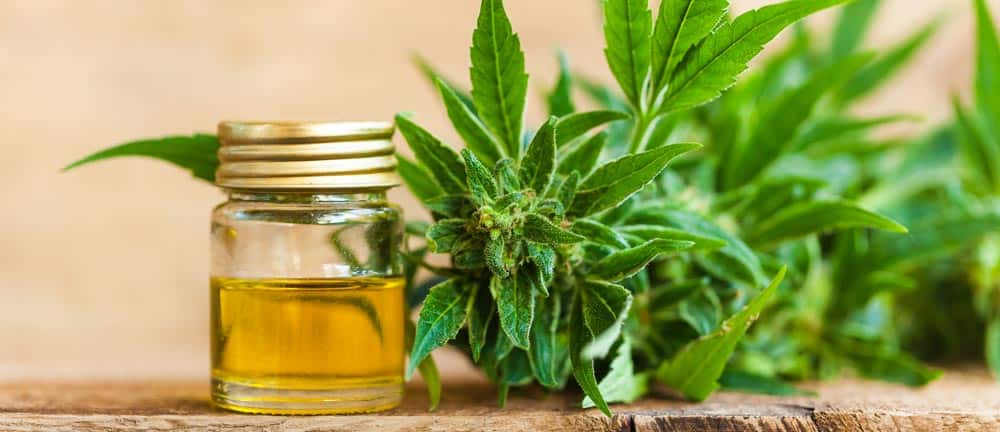 CBD, also called cannabidiol, is a compound derived from the cannabis plant. It has become a popular natural remedy for a variety of ailments, and its usage has been steadily increasing in recent years.
In this article, we will discuss everything you need to know about CBD, including what it is, how it works, and its potential benefits and risks.
What is CBD?
CBD is one of over 100 chemical compounds found in the cannabis plant. Unlike THC, the psychoactive compound in cannabis that produces a “high,” CBD does not have any intoxicating effects. CBD is extracted from the plant and is typically sold in the form of oils, capsules, gummies, creams, and other products.
How Does CBD Work?
CBD works by interacting with the body’s endocannabinoid system (ECS), a complex network of receptors, enzymes, and endocannabinoids that helps to regulate a variety of bodily functions, including pain, inflammation, mood, sleep, and appetite. The ECS is responsible for maintaining balance, or homeostasis, within the body.
CBD is believed to interact with the ECS in several ways. It can mimic the effects of the body’s own endocannabinoids, which can help to regulate mood, appetite, and sleep. CBD can also inhibit the enzymes that break down endocannabinoids, which can increase their levels in the body and enhance their effects.
Potential Benefits of CBD
CBD has been the subject of extensive research in recent years, and studies have shown that it may have a range of potential benefits, including:
- Pain Relief: CBD may help to reduce chronic pain by interacting with the body’s endocannabinoid system and reducing inflammation.
- Anxiety and Depression: CBD may have anxiolytic and antidepressant effects by interacting with the body’s serotonin receptors and enhancing the activity of the neurotransmitter.
- Neuroprotective Properties: CBD may have neuroprotective properties and may be able to reduce the risk of neurological disorders such as Alzheimer’s disease, Parkinson’s disease, and multiple sclerosis.
- Cancer Treatment: CBD may have anti-cancer properties and may be able to inhibit the growth and spread of cancer cells.
- Acne Treatment: CBD may have anti-inflammatory properties that can help to reduce the production of sebum, which is a major contributor to acne.
Risks and Side Effects of CBD
While CBD is generally considered safe, it can cause some side effects in some people, including:
- Dry Mouth: CBD can cause a dry mouth, which can be uncomfortable and lead to increased thirst.
- Drowsiness: CBD can cause drowsiness and fatigue, especially when taken in high doses.
- Interactions with Other Medications: CBD can interact with other medications, including blood thinners, and can increase or decrease their effectiveness.
- Psychiatric Effects: CBD can cause psychiatric effects, such as anxiety and paranoia, especially when taken in high doses.
- Quality Control: CBD products are not regulated by the FDA, and some products may contain contaminants or inaccurate labeling.
Conclusion
CBD has become a popular natural remedy for a variety of ailments, and research suggests that it may have a range of potential benefits, including pain relief, anxiety and depression relief, neuroprotective properties, cancer treatment, and acne treatment.
However, it can cause some side effects, and CBD products are not regulated by the FDA. If you are considering using CBD, it is important to talk choose a reputable brand and see what works for your condition and requirements.

Comments are closed, but trackbacks and pingbacks are open.