

In recent years, the popularity of cannabidiol (CBD) products has soared, driven by their potential health benefits and therapeutic properties. As consumers become more conscientious about the environmental impact of their choices, the demand for eco-friendly and sustainable CBD products has also grown. In this evolving landscape, individuals are seeking ways to incorporate CBD into their wellness routines while minimizing their ecological footprint. Here’s a guide on how to choose sustainable CBD products for a more environmentally friendly approach to wellness.
Understanding Sustainability in CBD
Sustainability in the context of CBD involves considering the entire lifecycle of the product, from cultivation to manufacturing, packaging, and disposal. Sustainable CBD practices focus on minimizing the use of harmful chemicals, reducing energy consumption, and implementing eco-friendly packaging solutions.
Organic Farming Practices
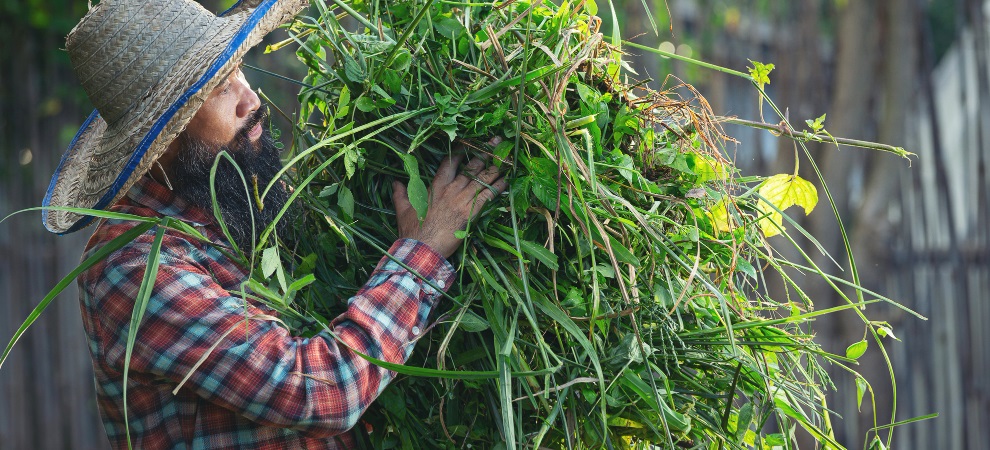
Choosing CBD products derived from organically grown hemp is a crucial first step in selecting a sustainable option. Organic farming avoids the use of synthetic pesticides, herbicides, and fertilizers, promoting soil health and biodiversity. By opting for CBD products sourced from organic hemp, consumers support agricultural practices that are better for the planet and reduce the risk of harmful chemical residues in the final product.
Extraction Methods
The method used to extract CBD from hemp can significantly impact its environmental footprint. CO2 extraction is generally considered a cleaner and more sustainable method compared to solvent-based methods. CO2 extraction eliminates the need for harsh chemicals, minimizing the potential environmental impact and ensuring a purer end product.
Full Spectrum Vs Isolate
When selecting CBD products, consider whether they are made from full-spectrum or isolate CBD. Full-spectrum CBD extracts retain a broader range of cannabinoids and terpenes, providing a more holistic and natural experience. Choosing full-spectrum CBD may involve less processing, contributing to a lower environmental impact compared to isolates, which undergo more refining.
Third-Party Testing and Transparency
Choose CBD products from companies that prioritize transparency and provide third-party lab test results. Third-party testing ensures that the product’s potency and purity match the manufacturer’s claims. Companies that readily share these results demonstrate a commitment to accountability and consumer trust, promoting sustainability in the long run by fostering an honest and transparent industry.
Packaging Materials
Packaging is a critical aspect of sustainability. Look for CBD products that use eco-friendly packaging materials, such as recycled paper, glass, or biodegradable plastics. Some companies have embraced innovative packaging solutions, like compostable pouches or recycled cardboard containers, demonstrating a commitment to reducing their environmental impact.

Local and Sustainable Sourcing
Consider the origin of the hemp used in CBD products. Supporting local and sustainable sourcing practices reduces the carbon footprint associated with transportation and encourages environmentally conscious farming. Companies that prioritize local and sustainable sourcing contribute to the overall health of the communities in which they operate.
Bioavailability and Dosage Efficiency
Efficiency in product usage is another element of sustainability. Products with higher bioavailability often require smaller doses to achieve the desired effects. This not only reduces the overall amount of product consumed but also enhances the cost-effectiveness of CBD use.
Social Responsibility
Sustainable CBD goes beyond environmental considerations; it also encompasses social responsibility. Look for companies that engage in fair labor practices, support local communities, and contribute to charitable initiatives. By choosing CBD products from socially responsible companies, consumers play a role in promoting ethical business practices within the industry.
Final Thoughts
As CBD continues to gain popularity, consumers have the power to make choices that align with their values and contribute to a more sustainable future. By prioritizing organic farming practices, selecting full-spectrum CBD, considering eco-friendly extraction methods, opting for sustainable packaging, supporting local sourcing, demanding transparency, and endorsing socially responsible companies, individuals can make a positive impact on both their well-being and the health of the planet. As the CBD industry evolves, the emphasis on sustainability will likely become even more critical, encouraging companies to adopt eco-friendly practices and fostering a culture of environmental consciousness among consumers.
