

Last updated on June 25, 2023
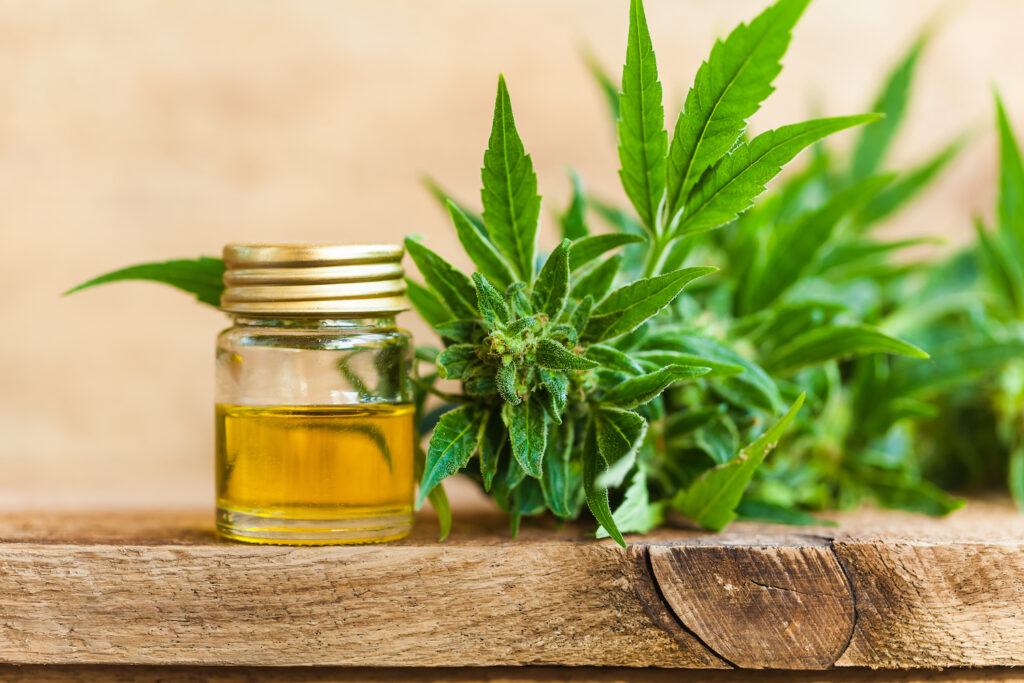 As the legal landscape around cannabis products continues to evolve worldwide, there’s growing interest in the therapeutic potential of these compounds. The market has seen a surge of various cannabis products, most notably CBD oil and THC oil. However, to the untrained eye, these products might seem similar, leading to confusion and misinformed decisions. This article aims to delineate the key differences between CBD oil and other cannabis products, particularly those containing THC, in terms of their effects, uses, and legal status.
Chemical Composition and Effects
Cannabis sativa, the plant from which both CBD (cannabidiol) and THC (tetrahydrocannabinol) originate, contains hundreds of chemical compounds, known as cannabinoids. The two most well-known cannabinoids are undoubtedly CBD and THC.
THC is the primary psychoactive component in cannabis. It’s responsible for the characteristic ‘high’ associated with recreational marijuana use. On the other hand, CBD is non-psychoactive. While it interacts with the body’s endocannabinoid system, much like THC, it does not induce a euphoric state.
CBD oil, therefore, does not have the intoxicating effects that THC oil or marijuana products do. This key difference makes CBD oil more appealing to those seeking potential therapeutic benefits of cannabinoids without the mind-altering effects.
Therapeutic Uses
Both CBD and THC have been researched for their potential therapeutic properties, but they are used for different purposes. CBD is being studied for its potential role in managing a variety of conditions, including epilepsy, anxiety, chronic pain, and inflammation. Its non-psychoactive nature makes it suitable for everyday use in managing these conditions.
THC, on the other hand, is often used for its psychoactive effects and potential benefits in pain relief, appetite stimulation, and insomnia. Medical marijuana, which contains THC, is sometimes prescribed for conditions such as multiple sclerosis, glaucoma, and cancer-related pain.
It’s worth noting that the FDA has approved a CBD-based drug, Epidiolex, for treating severe forms of epilepsy. In contrast, the FDA hasn’t approved THC or medical marijuana, although it’s permitted for use in some states under specific medical conditions.
Legal Status
The legality of CBD oil and THC oil varies significantly across different jurisdictions, often causing confusion. In the United States, for example, CBD oil derived from hemp (a variety of Cannabis sativa with low THC content) is federally legal following the 2018 Farm Bill. However, CBD oil derived from other cannabis plants is still classified as a Schedule I drug under federal law, although some states have laws legalizing its use.
THC oil, as a psychoactive substance, faces stricter regulation. While some states have legalized medical and even recreational marijuana, it remains illegal at the federal level in the U.S. The legal landscape is also varied globally, with some countries allowing medical use of cannabis products, while others impose strict prohibitions.
Conclusion
Understanding the differences between CBD oil and other cannabis products is crucial for consumers and medical professionals alike. While both CBD and THC have potential therapeutic applications, their effects, uses, and legal status vary significantly.
CBD oil, with its non-psychoactive properties, opens a new avenue for those seeking the benefits of cannabis without the ‘high’ typical of THC-based products. As research progresses, and legal boundaries shift, the future of both CBD and THC in therapeutic use looks promising. However, their use should always follow local regulations and ideally be guided by medical advice.

Comments are closed, but trackbacks and pingbacks are open.