

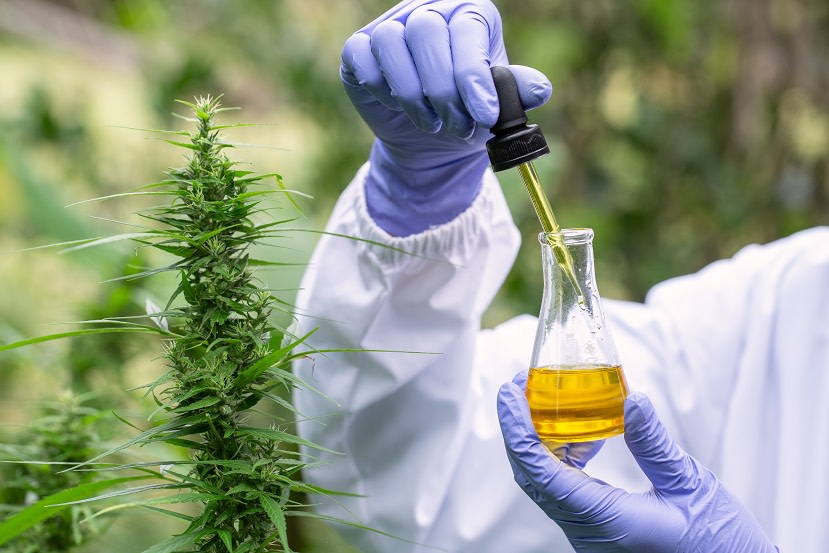
 Cannabidiol (CBD) has emerged as a popular natural remedy for various ailments, gaining significant attention in recent years. As the demand for CBD products continues to rise, it’s crucial to understand the process behind CBD extraction. Whether you’re a curious CBD oil user or an aspiring CBD entrepreneur, this article will delve into the world of CBD extraction, shedding light on the methods and techniques employed to obtain this valuable compound.
What is CBD?
Before we explore CBD extraction, let’s first understand what CBD is. Cannabidiol is a non-intoxicating cannabinoid found in the cannabis plant. Unlike its counterpart tetrahydrocannabinol (THC), CBD doesn’t produce a psychoactive effect but offers potential therapeutic benefits. CBD has been associated with alleviating pain, reducing anxiety and depression, promoting better sleep, and managing various other conditions.
Why is Extraction Necessary?
CBD exists in the cannabis plant as a compound that needs to be extracted to separate it from other plant materials. Extraction allows us to isolate and concentrate CBD, making it suitable for consumption or for use in CBD oils and other products like tinctures, topicals, and edibles. The extraction process is vital in ensuring the purity and potency of CBD, providing a consistent product for consumers.
Methods of CBD Extraction
Several methods are employed to extract CBD from the cannabis plant. Let’s explore some of the most common methods:
CO2 Extraction
Considered one of the most efficient and widely used methods, CO2 extraction employs pressurized carbon dioxide to extract CBD from the plant material. This method utilizes CO2’s unique properties, acting as a solvent under specific temperature and pressure conditions. The process involves passing CO2 through the plant material, resulting in the separation of CBD and other compounds. CO2 extraction is known for its ability to produce high-quality CBD with minimal risk of contaminants.
Solvent Extraction
This method involves using solvents like ethanol, butane, or propane to extract CBD from the plant material. The process entails soaking the plant material in the chosen solvent, allowing it to dissolve the cannabinoids. Afterward, the solvent is evaporated, leaving behind a concentrated CBD extract. While solvent extraction is relatively simple, it requires careful post-processing to remove any residual solvents, which could be harmful if ingested.
Olive Oil Extraction
A traditional and straightforward method, olive oil extraction involves heating the plant material and olive oil to extract CBD. This process requires decarboxylation, wherein heat converts the inactive cannabinoids (such as CBDa) into their active forms (such as CBD). While olive oil extraction is safe and accessible, it yields a less concentrated product and has a shorter shelf life compared to other methods.
Steam Distillation
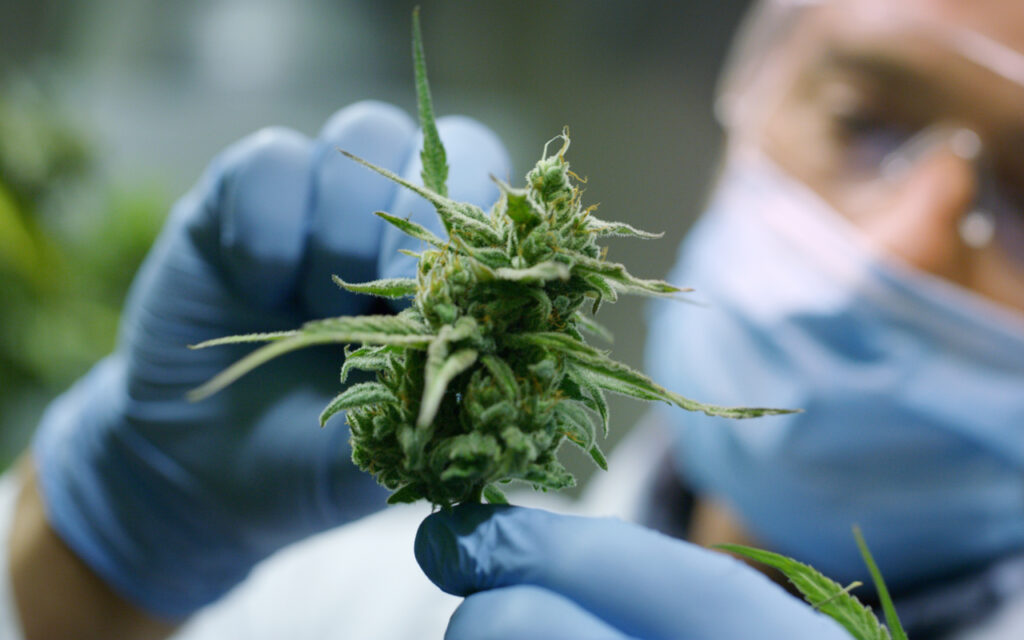
This method involves exposing the plant material to steam, causing the release of essential oils and CBD. The steam carries the extracted compounds into a condensation chamber, where they separate from the water and can be collected. Steam distillation is primarily used for extracting essential oils but can also be employed to obtain CBD. However, this method is less efficient in extracting CBD compared to others.
Each extraction method has its advantages and disadvantages in terms of efficiency, safety, and product quality. CBD manufacturers carefully select the most appropriate method based on their requirements, resources, and desired end product.
Post-Extraction Processing
Once the CBD extract is obtained, additional processing steps may be undertaken to refine the product further. These steps include filtration to remove unwanted plant material, winterization to eliminate fats and waxes, and decarboxylation to activate certain cannabinoids. The resulting CBD extract can then be used as-is or mixed with a carrier oil to create CBD oil, which is commonly found in consumer products.
Ensuring Quality and Purity
To obtain high-quality CBD, extraction must be followed by rigorous purification processes. These processes help remove any remaining impurities, including residual solvents, chlorophyll, and plant waxes. Additionally, third-party lab testing is essential to verify the potency, purity, and safety of the extracted CBD. Reputable manufacturers make their lab reports readily available, allowing consumers to make informed choices about the CBD products they purchase.
Final Thoughts
CBD extraction plays a vital role in transforming raw cannabis into the valuable compound sought after by millions. Understanding the various extraction methods and their pros and cons is crucial for both manufacturers and consumers.
By ensuring the quality and purity of the extracted CBD, manufacturers can create reliable products, while consumers can confidently incorporate CBD into their wellness routines.
As the CBD industry continues to evolve, advancements in extraction techniques will likely drive innovation, leading to even better and more accessible CBD products in the future.
