

CBD, short for cannabidiol, has gained significant attention in recent years for its potential therapeutic benefits. This naturally occurring compound, found in the Cannabis sativa plant, is renowned for its interaction with the endocannabinoid system (ECS) in the human body.
In this detailed overview, we will explore the intricacies of the ECS, how CBD interacts with it, and the potential health implications of this interaction.
Understanding the Endocannabinoid System (ECS)
The ECS is a complex cell-signaling system that plays a crucial role in maintaining homeostasis, or balance, within the body. It consists of three primary components:
Endocannabinoids
These are naturally occurring compounds produced by the body. The two main endocannabinoids are anandamide and 2-arachidonoylglycerol (2-AG). They act as signaling molecules, binding to cannabinoid receptors to transmit messages within the ECS.
Cannabinoid Receptors
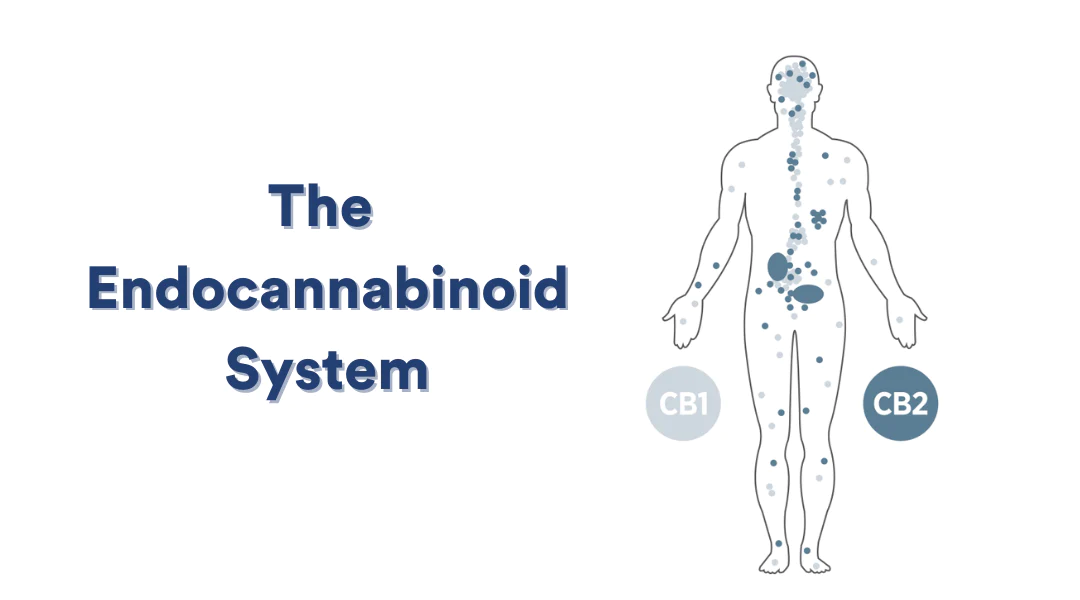
There are two main types of cannabinoid receptors in the body, known as CB1 and CB2 receptors. CB1 receptors are primarily found in the central nervous system, while CB2 receptors are mainly present in the peripheral nervous system and immune cells.
Enzymes
Enzymes are responsible for breaking down endocannabinoids once they’ve fulfilled their function. Two key enzymes involved in this process are fatty acid amide hydrolase (FAAH), which breaks down anandamide, and monoacylglycerol lipase (MAGL), which breaks down 2-AG.
How CBD Interacts with the ECS
CBD interacts with the ECS in a unique way, despite being a phytocannabinoid (cannabinoid derived from plants) rather than an endocannabinoid. CBD does not directly bind to CB1 or CB2 receptors like THC (tetrahydrocannabinol), another well-known cannabinoid. Instead, CBD indirectly influences the ECS by modulating its activity.
CBD as an Allosteric Modulator
CBD is thought to act as an allosteric modulator of cannabinoid receptors, which means it can change the shape of these receptors without directly binding to them. This modulation can enhance or inhibit the binding of endocannabinoids and other cannabinoids to the receptors, altering the ECS’s overall activity.
Inhibition of Enzymes
CBD can inhibit the enzymes FAAH and MAGL, which are responsible for breaking down endocannabinoids like anandamide and 2-AG. By slowing down the breakdown of these endocannabinoids, CBD effectively prolongs their presence in the body, allowing for a more extended ECS response.
Potential Health Implications of CBD’s Interaction with the ECS
The interaction between CBD and the ECS has garnered interest in various potential health benefits. While research is ongoing and more evidence is needed, several areas show promise:
Pain Management: CBD may help alleviate pain by modulating the ECS’s response to pain signals. It’s being explored as a natural option for chronic pain conditions.
Anti-Inflammatory Effects: CBD’s interaction with the ECS may help reduce inflammation, making it a potential therapeutic option for conditions with an inflammatory component.
Anxiety and Depression: Some studies suggest that CBD may have anxiolytic (anxiety-reducing) and antidepressant properties. It may impact serotonin receptors in the brain, influencing mood regulation.
Neuroprotection: CBD’s neuroprotective properties are of interest in conditions like epilepsy. The FDA has approved a CBD-based medication, Epidiolex, for the treatment of certain types of seizures.
Sleep Disorders: CBD may impact the sleep-wake cycle and improve sleep quality, potentially benefiting individuals with insomnia or other sleep disorders.
Potential for Addiction Management: Some research suggests that CBD may help individuals struggling with substance use disorders by modulating reward pathways in the brain.
Conclusion
CBD’s interaction with the endocannabinoid system presents a fascinating area of study with significant potential for health and wellness applications. While the understanding of CBD’s mechanisms and its effects on the ECS continues to evolve, it’s essential to consult with healthcare professionals before using CBD for any specific medical condition.
The ECS and its intricate relationship with cannabinoids, both endogenous and exogenous, open doors to explore novel therapeutic avenues, offering hope for those seeking natural and holistic approaches to health and well-being. As research into CBD and the ECS advances, we can anticipate even more insights into its diverse applications and potential benefits.
