

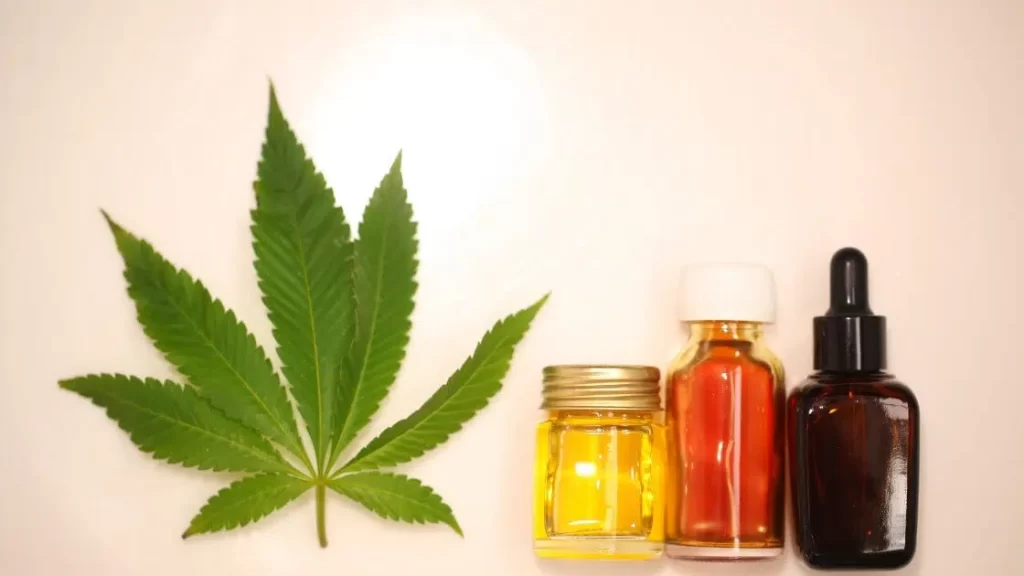
 CBD oil has gained significant popularity in recent years due to its potential health benefits and therapeutic properties. However, like any other consumable product, CBD oil has a shelf life, and understanding its durability is crucial for maintaining its potency and effectiveness. In this article, we delve into the shelf life of CBD oil, exploring factors that influence it and offering insights on how to ensure optimal quality and freshness.
Understanding Shelf Life
CBD oil, like other natural products, is subject to degradation over time. Shelf life refers to the period during which a product retains its quality, effectiveness, and safety when stored under appropriate conditions. Factors such as storage conditions, ingredients, extraction methods, and packaging play significant roles in determining the shelf life of CBD oil.
Factors Influencing Shelf Life
The most important factors affecting the shelf life of CBD oil include:
Extraction Method
The extraction method used to obtain CBD oil can impact its shelf life. Supercritical CO2 extraction is a preferred method as it produces high-quality oil with better stability and longevity compared to other extraction methods.
Storage Conditions
Proper storage is crucial for maintaining the potency and freshness of CBD oil. Exposure to factors such as light, heat, air, and moisture can degrade the oil and reduce its shelf life. It is recommended to store CBD oil in a cool, dark place, away from direct sunlight, heat sources, and fluctuating temperatures.
Quality of Ingredients
The quality of the ingredients used in the production of CBD oil can influence its shelf life. CBD oil derived from high-quality, organically grown hemp, without the use of harmful pesticides or chemicals, tends to have a longer shelf life compared to products of lower quality.
Determining Shelf Life
The shelf life of CBD oil can vary depending on various factors. While CBD oil does not typically spoil or become harmful, it may lose potency and effectiveness over time. A general guideline is that most CBD oils have a shelf life of 12 to 24 months from the date of manufacture.
Signs of Degradation
As CBD oil ages, certain signs may indicate its degradation and reduced quality. These signs include a change in color, consistency, or smell. If your CBD oil starts to smell rancid, develops a cloudy appearance, or exhibits an off-putting taste, it may be an indication that it has passed its prime and is no longer as potent as it once was.
Tips for Extending Shelf Life
Let us talk about a few tips to extend the shelf life of CBD oil.
Proper Storage
Ensure proper storage of CBD oil by keeping it in a cool, dark place, away from direct sunlight, heat, and moisture. Consider storing it in the refrigerator, as lower temperatures can help maintain its freshness for longer periods.
Tight Sealing and Quality Packaging
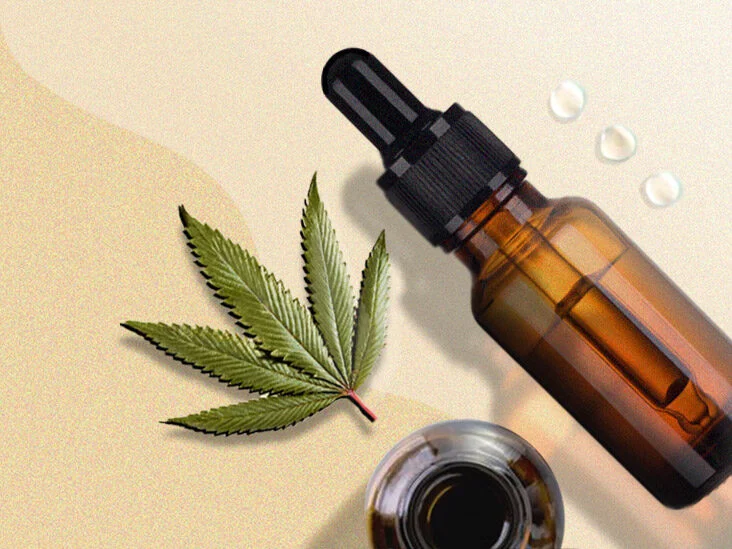
Check that the CBD oil is stored in a well-sealed, airtight container to prevent air exposure, which can accelerate the degradation process. Look for products packaged in dark-colored glass bottles, as they provide better protection against light exposure.
Purchase from Reputable Brands
Choose CBD oil products from reputable and trusted brands that prioritize quality, transparency, and rigorous manufacturing processes. Reliable brands often provide information on their product’s shelf life and storage recommendations.
Regular Usage and Rotation
To ensure maximum freshness, consider using CBD oil regularly rather than letting it sit unused for extended periods.…
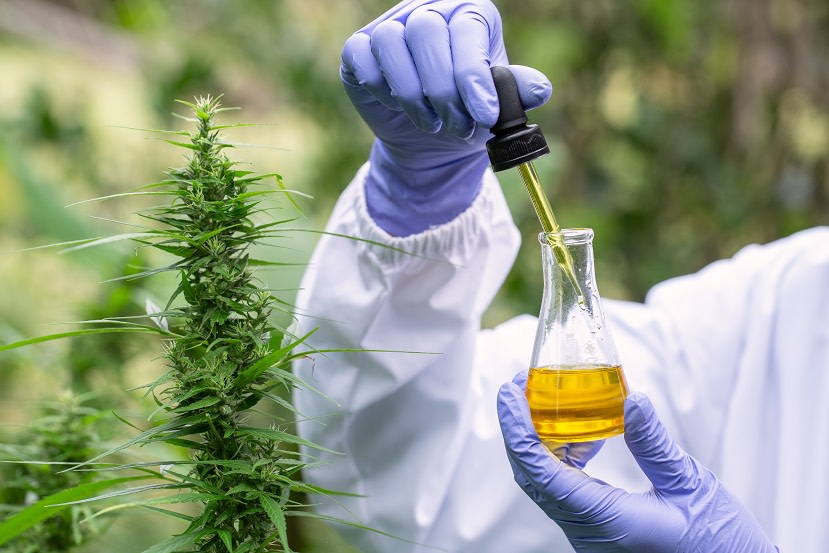 Cannabidiol (CBD) has emerged as a popular natural remedy for various ailments, gaining significant attention in recent years. As the demand for CBD products continues to rise, it’s crucial to understand the process behind CBD extraction. Whether you’re a curious CBD oil user or an aspiring CBD entrepreneur, this article will delve into the world of CBD extraction, shedding light on the methods and techniques employed to obtain this valuable compound.
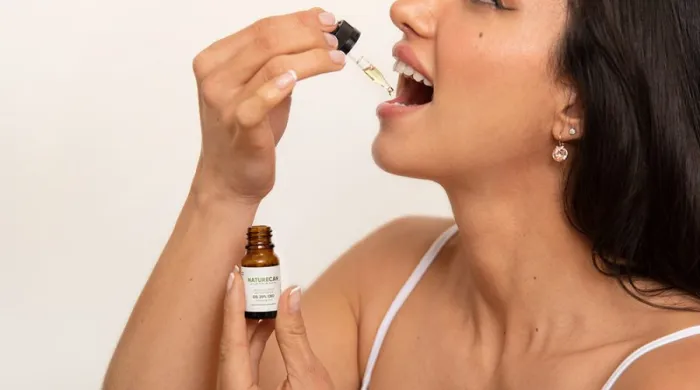 CBD oil has gained significant popularity in recent years for its potential therapeutic benefits. People use CBD oil for various reasons, including managing pain, reducing anxiety, improving sleep, and promoting overall well-being. If you’re considering incorporating CBD oil into your wellness routine, you may be wondering how long it takes to experience the effects. The time it takes for CBD oil to work can vary based on several factors.
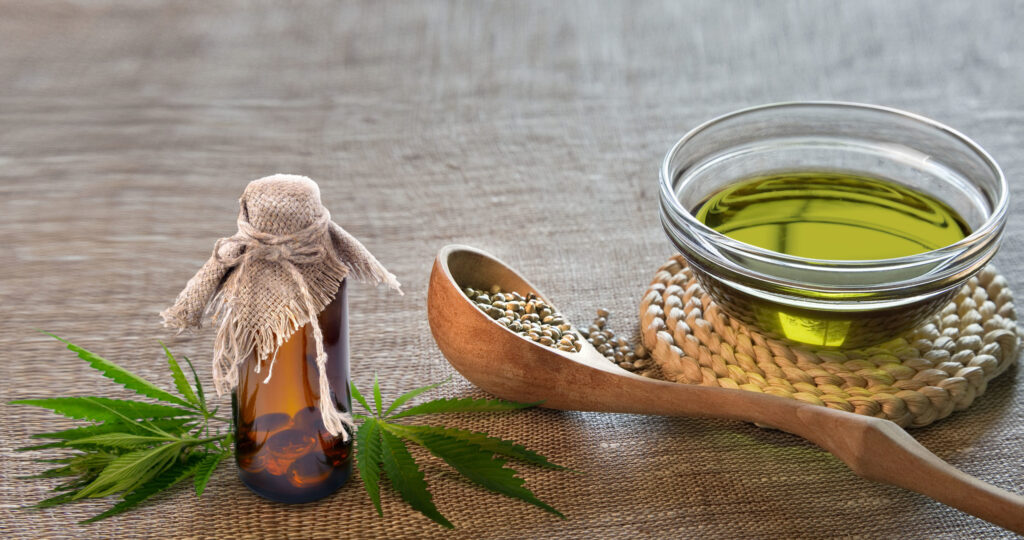 Both CBD oil and Hemp seed oil have recently gained a significant attention in the past few years owing to their amazing health benefits. However, users are often confused about the differences between the two products. While both of these products are derived from the hemp plant, they vary in terms of effects, uses, and composition.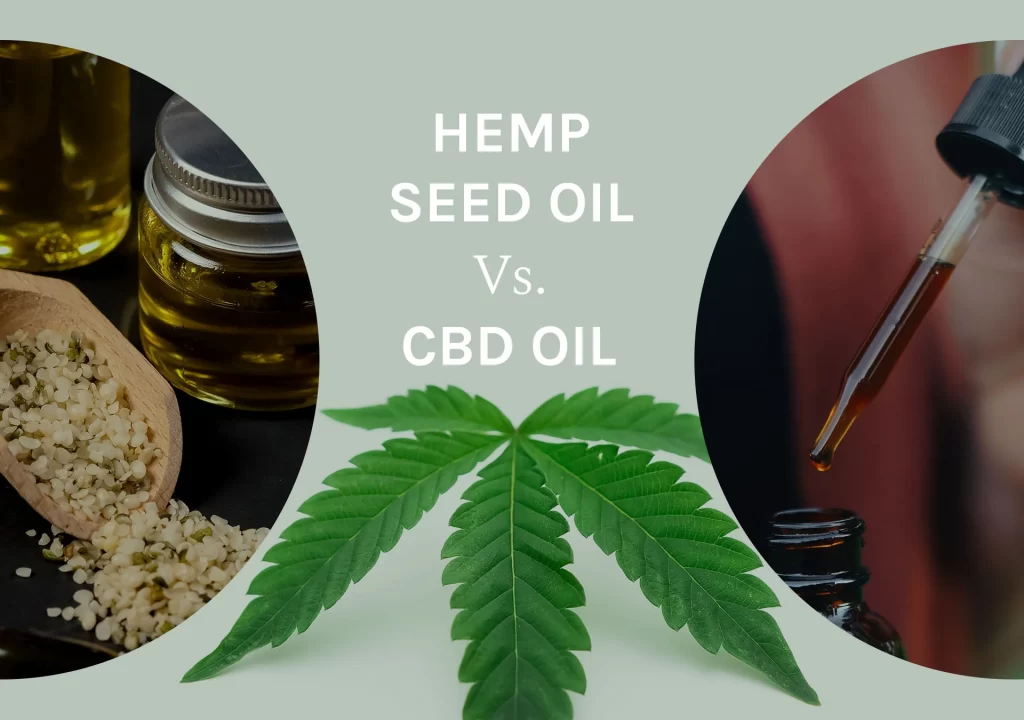
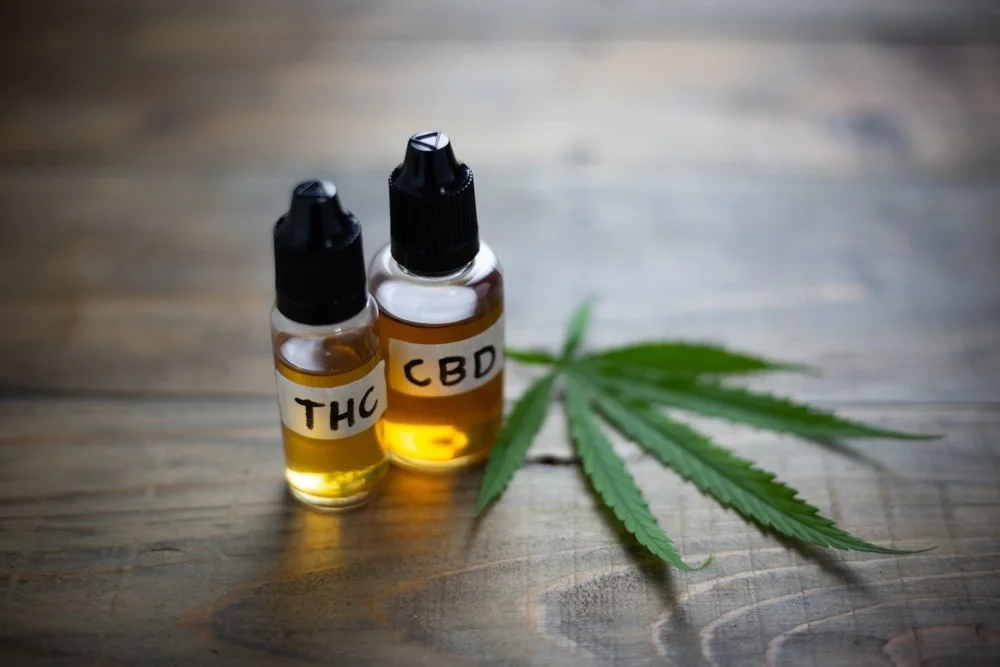 CBD oil and THC (tetrahydrocannabinol) are two compounds derived from the cannabis plant, but they have distinct properties and effects on the body. In this article, we will delve into the differences between CBD oil and THC, their respective benefits, and how they interact with the endocannabinoid system.
 As the legal landscape around cannabis products continues to evolve worldwide, there’s growing interest in the therapeutic potential of these compounds. The market has seen a surge of various cannabis products, most notably CBD oil and THC oil. However, to the untrained eye, these products might seem similar, leading to confusion and misinformed decisions. This article aims to delineate the key differences between CBD oil and other cannabis products, particularly those containing THC, in terms of their effects, uses, and legal status.
 In today’s fast-paced world, stress and anxiety have become an inevitable part of our lives. Whether it’s work-related pressure, family problems, or financial issues, we all experience stress and anxiety at some point. While there are many prescription drugs available to manage these symptoms, many people are turning to natural alternatives like CBD oil. In this article, we’ll discuss how CBD oil can help manage stress and anxiety.
 CBD, also called cannabidiol, is a compound derived from the cannabis plant. It has become a popular natural remedy for a variety of ailments, and its usage has been steadily increasing in recent years.