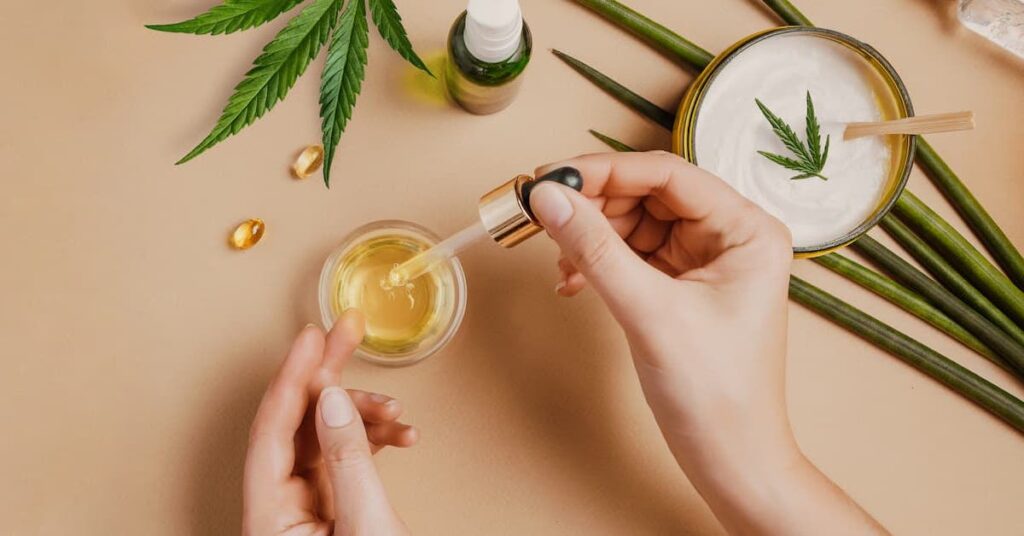

CBD oil has gained significant popularity in recent years due to its potential health benefits. From pain relief to anxiety reduction, the therapeutic uses of CBD oil are vast. However, for those new to this wellness trend, figuring out the best ways to take CBD oil can be a bit daunting. Here are some of the most effective methods.
Sublingual Administration
This is one of the most common ways to take CBD oil. Simply place a few drops of the oil under your tongue, hold it there for about 60-90 seconds, and then swallow. This method allows the CBD to be absorbed directly into your bloodstream, providing quicker effects.
Capsules and Edibles
If you’re not a fan of the taste of CBD oil, capsules and edibles are a great alternative. They come in a variety of flavors and make CBD dosing easy. However, they take longer to kick in as they need to be digested first.
Topicals
CBD topicals, such as creams, balms, and salves, are designed for external application, offering targeted relief for localized discomfort. Users can apply these products directly to the skin, allowing the CBD to interact with cannabinoid receptors in the area. This method is popular for addressing muscle soreness, joint pain, and skin conditions, providing a focused approach to wellness.
Vaping or Smoking
Inhaling CBD oil is another method. It provides the fastest effects as the CBD is absorbed directly into your bloodstream through your lungs. However, this method may not be suitable for everyone, especially those with respiratory issues.
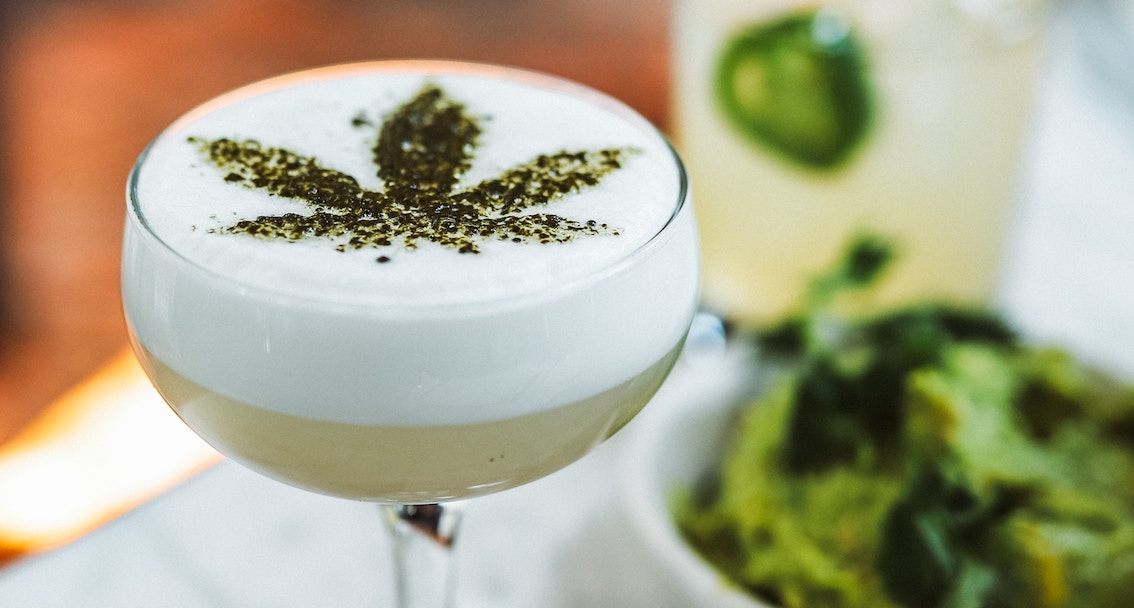
CBD Oil-infused Food and Drinks
For those who enjoy a flavorful experience, CBD edibles provide a delectable option. CBD-infused gummies, chocolates, and other treats offer a tasty and discreet way to consume CBD. Edibles undergo the digestive process, resulting in a slower onset of effects compared to sublingual methods. This method is ideal for individuals who savor the ritual of enjoying CBD-infused treats while experiencing prolonged effects.
Combining Methods
Many individuals choose to combine multiple methods to tailor their CBD experience. For example, using sublingual tinctures for fast relief while incorporating edibles for a prolonged effect allows for a customized wellness routine. Experimenting with different methods and observing how the body responds enables users to optimize their CBD journey based on individual preferences and needs.
Selection of High-Quality Products
Regardless of the chosen method, the quality of the CBD product is paramount. Opting for high-quality, third-party tested CBD ensures that users receive the intended benefits without unwanted contaminants. Reputable brands transparently provide information about the source of their hemp, extraction methods, and product testing, empowering consumers to make informed choices.
Final Thoughts
Choosing the best way to take CBD oil is a deeply personal decision that hinges on individual preferences, lifestyle, and wellness goals. Whether through sublingual tinctures for swift absorption, capsules for convenient consistency, or edibles for a delightful experience, the diverse array of methods allows users to tailor their CBD journey. By exploring the possibilities and considering the quality of CBD products, individuals unlock personalized paths to wellness, where the journey is as enriching as the destination.
 Exercise is a vital component of a healthy lifestyle, offering numerous benefits to physical and mental well-being. However, intensive physical activity can also lead to inflammation and soreness in the body, commonly known as exercise-induced inflammation. In recent years, CBD (cannabidiol), a non-psychoactive compound derived from the cannabis plant, has gained attention for its potential to alleviate such inflammation and promote recovery. This article explores how CBD works to reduce exercise-induced inflammation and its potential benefits for fitness enthusiasts.
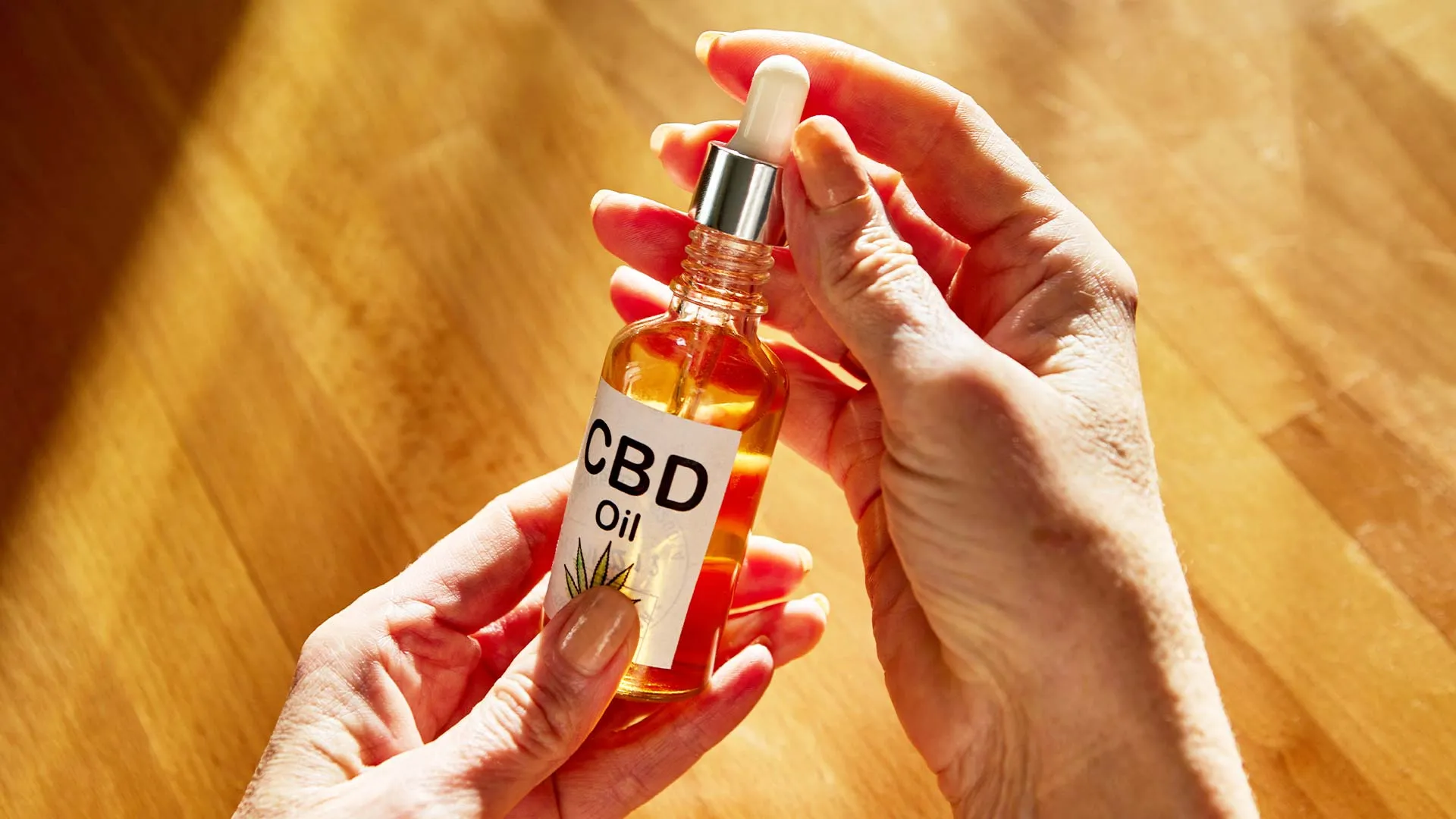
 Arthritis is a common condition that causes inflammation and pain in the joints, affecting millions of people worldwide. Traditional treatments for arthritis pain often include nonsteroidal anti-inflammatory drugs (NSAIDs), corticosteroids, and physical therapy. However, some individuals seek alternative remedies, such as CBD oil, to manage their arthritis symptoms. CBD (cannabidiol) is a non-intoxicating compound derived from the cannabis plant, known for its potential therapeutic benefits.
 CBD (cannabidiol) has gained significant attention in recent years for its potential therapeutic benefits and its non-intoxicating nature. As the popularity of CBD products soars, consumers are often confronted with the choice between “full-spectrum” and “broad-spectrum” CBD. These terms refer to different types of CBD extracts, each with its unique composition of cannabinoids and other compounds. To make an informed decision, it’s essential to understand the differences between full-spectrum and broad-spectrum CBD and how they may influence your CBD experience.
 Full-Spectrum Vs Broad-Spectrum CBD – Which is Better?
 CBD (cannabidiol) oil has gained significant attention for its potential therapeutic effects on various health conditions, including anxiety, pain, and sleep disturbances. As people seek natural alternatives to improve their sleep, questions arise about whether CBD oil can induce drowsiness and promote better sleep. The relationship between CBD oil and sleep is complex, with scientific research and individual experiences offering valuable insights into its effects on sleep patterns and overall sleep quality.
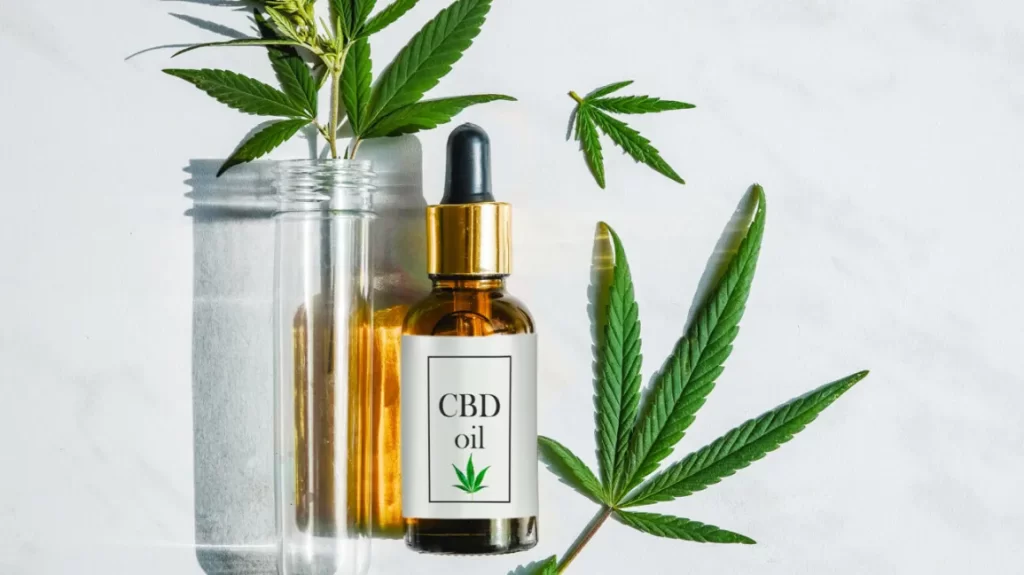 CBD (cannabidiol) oil has gained widespread recognition for its potential therapeutic benefits, including pain relief, reduced anxiety, and improved sleep. When using CBD oil for various health concerns, users often wonder how long the effects will last in their bodies. The duration of CBD’s effects can vary based on several factors, including the method of consumption, dosage, individual body chemistry, and the type of CBD product used.
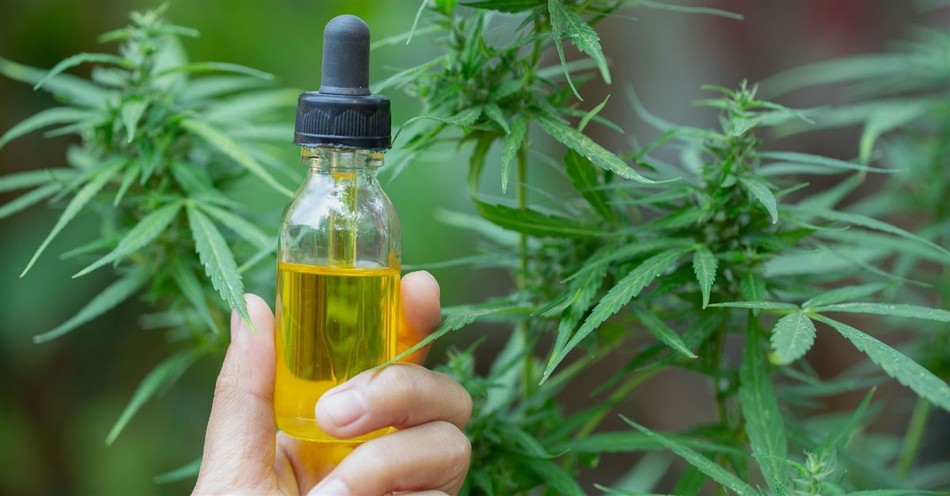 CBD oil has become increasingly popular in recent years as a natural remedy for various health concerns. While THC, the psychoactive compound found in cannabis, raises concerns for some individuals, CBD oil without THC has emerged as a viable alternative. In this article, we will explore the effectiveness and benefits of CBD oil without THC, shedding light on its potential for promoting well-being and addressing common health issues.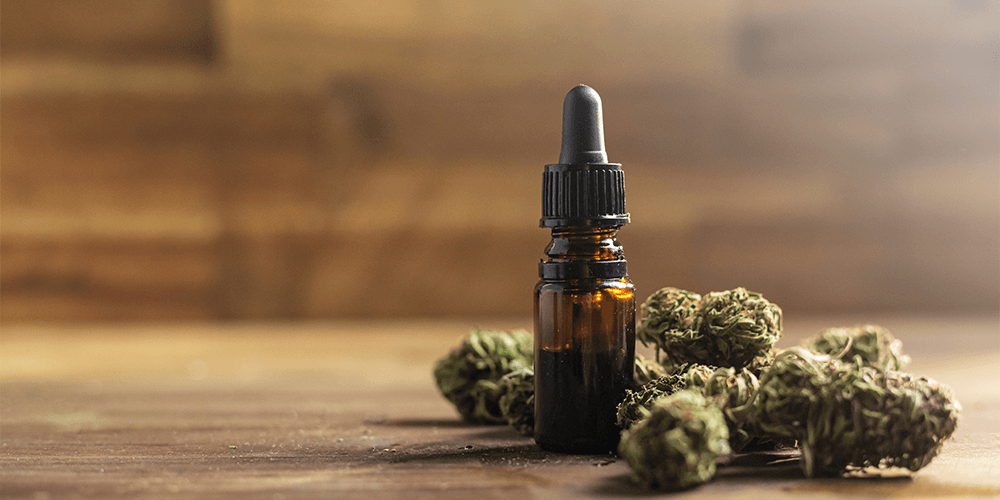
 As the popularity of cannabidiol (CBD) continues to rise, so does the curiosity surrounding its effects on the human body. One common question that arises is whether CBD oil, derived from the cannabis plant, can induce a state of intoxication or get you high. This article aims to shed light on the subject, dispel any misconceptions, and provide a clear understanding of the effects of CBD oil.