Press "Enter" to skip to content

Posts published in “Information”

Is CBD Bad for Your Liver? – Dispelling the Myth

CBD oil bottleIn recent years, the popularity of CBD (cannabidiol) has soared, with many praising its potential health benefits and therapeutic effects. However, alongside its rise in popularity, questions and concerns have emerged regarding its safety, particularly in relation to liver health. One of the most prominent debates surrounds the question: Is CBD bad for your liver? In this article, we delve into the scientific evidence to debunk this myth and provide clarity on the relationship between CBD and liver health.

Understanding CBD and its Effects

CBD is a non-intoxicating compound found in cannabis plants, known for its various potential therapeutic properties. Unlike its counterpart THC (tetrahydrocannabinol), CBD does not produce psychoactive effects. Instead, it interacts with the body’s endocannabinoid system, which plays a crucial role in regulating various physiological processes, including mood, pain sensation, appetite, and immune function.

The Potential Concern

One of the primary concerns surrounding CBD and liver health stems from a study conducted on mice that suggested a potential link between high doses of CBD and liver toxicity. The study, published in the journal Molecules in 2019, found that mice exposed to extremely high doses of CBD exhibited signs of liver damage.

Debunking the Myth

While this study raised eyebrows and sparked concern, it’s essential to consider the context and limitations of the research. Firstly, the doses administered to the mice were significantly higher than what the average human would consume. Secondly, the study used isolated CBD, rather than full-spectrum CBD products commonly used by consumers, which contain a variety of cannabinoids and compounds that may influence its effects.

Furthermore, subsequent research has provided additional insights into the safety profile of CBD. A review published in the journal Current Drug Safety in 2020 analyzed existing preclinical and clinical studies on CBD and liver health. The review concluded that CBD appears to have a generally favorable safety profile and is well-tolerated in humans, with limited evidence of adverse effects on liver function.

In fact, numerous studies have explored the potential therapeutic benefits of CBD for liver health. Research published in the journal Cells in 2020 suggested that CBD may have protective effects against liver injury and fibrosis in animal models of liver disease. Additionally, a study published in the journal Frontiers in Pharmacology in 2018 found that CBD may help alleviate liver inflammation and oxidative stress associated with certain liver conditions.

Understanding the Risks

While the majority of research suggests that CBD is well-tolerated and poses minimal risk to liver health, it’s important to acknowledge that individual responses may vary. Like any supplement or medication, CBD may interact with other medications or underlying health conditions, potentially affecting liver function. Therefore, it’s advisable to consult with a healthcare professional before incorporating CBD into your wellness regimen, particularly if you have pre-existing liver conditions or are taking medications metabolized by the liver.

Furthermore, quality and dosage are paramount when it comes to CBD products. It’s crucial to choose high-quality CBD products from reputable manufacturers and follow recommended dosage guidelines. Starting with a low dose and gradually increasing as needed can help minimize the risk of adverse effects and optimize the therapeutic benefits of CBD.

Final Thoughts

The notion that CBD is bad for your liver is a myth that has been debunked by scientific evidence. While isolated studies have raised concerns about potential liver toxicity at extremely high doses, the majority of research suggests that CBD is well-tolerated and poses minimal risk to liver health, especially when used responsibly.…

CBD Pouches – What Are the Pros and Cons?

In recent years, CBD (cannabidiol) products have surged in popularity, offering consumers a range of potential health benefits without the psychoactive effects associated with THC (tetrahydrocannabinol). Among the latest innovations in the CBD market are CBD pouches, which provide a discreet and convenient way to consume CBD. But like any product, CBD pouches come with their own set of pros and cons that consumers should consider before incorporating them into their wellness routine.

Pros of CBD Pouches

Let us talk about the major benefits of these products.

Convenience

CBD pouches offer a hassle-free and convenient way to consume the compound discreetly. Similar in appearance to traditional tobacco pouches, these products can be easily carried and used on the go, making them a convenient option for busy individuals seeking to incorporate the herb into their daily routine.

Discreetness

Unlike other products such as oils or edibles, CBD pouches are discreet and do not require any additional equipment or preparation. This makes them an attractive option for individuals who prefer to consume the compound without drawing attention to themselves or who may be in situations where traditional consumption methods are not feasible.

Precise Dosage

CBD pouches typically contain a pre-measured dose of the compound, allowing users to easily control their intake and ensure consistent dosing. This can be particularly beneficial for individuals who require precise dosing for therapeutic purposes or who are new to CBD and wish to start with a lower dose.

Variety of Flavors

CBD pouches come in a variety of flavors to suit different preferences, ranging from mint and citrus to berry and coffee. This allows users to choose a flavor that they enjoy and find appealing, enhancing the overall experience of using these products.

Fast-Acting Effects

When placed in the mouth, CBD pouches are absorbed through the oral mucosa, allowing for rapid onset of effects compared to other oral products such as edibles, which must be digested before the CBD is absorbed into the bloodstream. This makes CBD pouches an ideal option for individuals seeking fast-acting relief from symptoms such as pain or anxiety.

Cons of CBD Pouches

Let us now talk about some of the limitations of using CBD pouches.

Limited Availability

While CBD pouches are gaining popularity, they may not be as readily available as other products such as oils or capsules. Availability can vary depending on location, and consumers may need to purchase their products from specialty retailers or online vendors.

Potential for Misuse

Like any product containing CBD, there is the potential for misuse or abuse of pouches. While CBD is generally considered safe and well-tolerated, excessive consumption may lead to unwanted side effects such as drowsiness, dry mouth, or gastrointestinal discomfort. It’s essential for users to adhere to recommended dosing guidelines and to use these products responsibly.

Lack of Regulation

The CBD industry is currently not well-regulated, leading to variability in the quality and potency of CBD products, including CBD pouches. Without standardized regulations in place, consumers may encounter products that contain inaccurate labeling, impurities, or undisclosed additives. It’s crucial for consumers to research reputable brands and look for third-party lab testing to ensure product quality and safety.

Potential Interactions with Medications

CBD has the potential to interact with certain medications, particularly those that are metabolized by the liver. CBD can inhibit the activity of certain enzymes involved in drug metabolism, leading to increased levels of medication in the bloodstream and potential adverse effects.

Does CBD Make You Hungry?

man eatingCannabidiol, or CBD, has gained widespread popularity for its potential therapeutic benefits, ranging from stress relief to pain management. As more people explore the world of CBD products, a common question arises: does CBD make you hungry? While CBD is a non-psychoactive compound found in the cannabis plant, its interaction with the endocannabinoid system can influence various bodily functions, including appetite. Let’s delve into the science behind this phenomenon and separate fact from fiction.


Understanding the Endocannabinoid System

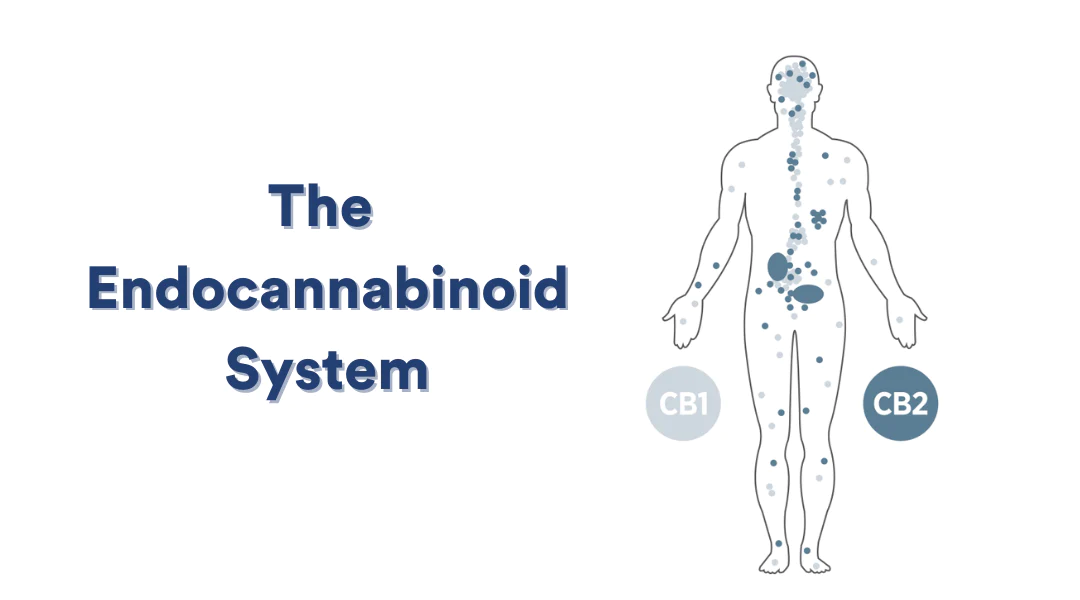
To comprehend how CBD may impact hunger, it’s essential to grasp the role of the endocannabinoid system (ECS). The ECS is a complex network of receptors, enzymes, and endocannabinoids that play a crucial role in regulating various physiological processes, including mood, sleep, and appetite. The two primary receptors in the ECS are CB1 and CB2, with CB1 receptors being particularly prevalent in the central nervous system.

CBD and Appetite Regulation

Contrary to its well-known cousin, THC (tetrahydrocannabinol), CBD does not directly bind to CB1 receptors. THC is the psychoactive compound responsible for the infamous “munchies” experienced by marijuana users. Instead, CBD interacts with the ECS in a more indirect manner, influencing the activity of CB1 receptors and other neurotransmitters.

Research on CBD and Appetite

Scientific studies on the relationship between CBD and appetite are still in their infancy, but some preliminary research offers insights into this intriguing connection. A 2018 review published in the Journal of Psychopharmacology suggests that while THC may stimulate appetite, CBD could have the opposite effect by potentially suppressing it. The review highlights that CBD’s influence on appetite seems to be context-dependent, varying based on factors such as dosage and the individual’s overall health.

Another study, published in the British Journal of Pharmacology in 2012, explored the effects of cannabinoids on feeding behaviors. The findings suggested that while CB1 receptor activation by compounds like THC can enhance appetite, CB1 receptor antagonists (substances that block CB1 receptors) may have the opposite effect. CBD’s influence on these receptors, while not fully understood, could contribute to its potential appetite-modulating effects.

Individual Variations and Dosage Considerations

It’s crucial to recognize that individual responses to CBD can vary significantly. Factors such as metabolism, overall health, and the specific CBD product used can all play a role in how CBD affects appetite. Additionally, the dosage matters. Low to moderate doses may elicit different responses than higher doses, and finding the right balance is a personal journey.

food items and CBD

CBD as a Tool for Weight Management

While some individuals may experience an increase in appetite due to CBD, others may find it beneficial for weight management. For example, stress and anxiety are often linked to emotional eating and weight gain. CBD’s anxiolytic (anxiety-reducing) properties may help individuals manage stress, potentially breaking the cycle of emotional eating and promoting a healthier relationship with food.

Final Thoughts

In the ongoing quest to understand the effects of CBD on the human body, the relationship between CBD and appetite remains a nuanced and evolving topic. While some research suggests that CBD may influence appetite regulation, the overall consensus is that its impact is complex and context-dependent.

As with any supplement, individuals should approach CBD use with an awareness of their own body and health needs, consulting with healthcare professionals if necessary. The munchies associated with THC are not a universal characteristic of cannabis-related compounds, and CBD’s influence on appetite is just one facet of its multifaceted potential benefits.

A Student’s Guide to CBD

The college journey is a time of growth, learning, and self-discovery, but it often comes with its share of stressors and challenges. As students explore avenues for maintaining mental and physical well-being, CBD (cannabidiol) has emerged as a popular and accessible option. In this guide, we’ll navigate the landscape of CBD, offering students valuable insights on what the compound is, how it works, potential benefits, and considerations for incorporating it into a student lifestyle.

Understanding CBD

CBD is a naturally occurring compound found in the cannabis plant. Unlike its counterpart THC (tetrahydrocannabinol), it is non-psychoactive, meaning it doesn’t produce a “high.” Instead, it interacts with the endocannabinoid system in the body, which plays a crucial role in regulating various physiological functions, including mood, sleep, and stress.

How CBD Works

CBD interacts with receptors in the endocannabinoid system, influencing the release of neurotransmitters and promoting balance within the body. Its therapeutic potential lies in its ability to modulate these processes, contributing to a sense of overall well-being.

Forms of CBD

CBD is available in various forms, including oils, capsules, edibles, and topical creams. Each form offers unique benefits, and choosing the right one depends on individual preferences and desired effects. For quick relief, CBD oils or edibles may be preferable, while topical creams are suitable for localized concerns.

Benefits of CBD for Students

Let us look at a few benefits students can expect from the compound.

Stress and Anxiety Management

College life often brings a host of stressors – academic pressures, social challenges, and the transition to independence. Cannabidiol has shown promise in reducing stress and anxiety, making it a potential ally for students navigating the demands of academia.

Improved Sleep Quality

Quality sleep is essential for cognitive function and overall well-being. CBD may help regulate sleep patterns, making it a valuable resource for students dealing with irregular sleep or insomnia.

Enhanced Focus and Cognitive Function

Some studies suggest that CBD may have neuroprotective properties and could positively impact cognitive function. For students looking to enhance focus during study sessions, incorporating the compound may offer support.

Pain and Inflammation Relief

Long hours of studying, sitting in lectures, or engaging in physical activities can lead to discomfort. CBD’s anti-inflammatory properties may provide relief from minor pains and aches, contributing to a more comfortable daily experience.

Considerations for Responsible Use

Now, let us take a look at a few aspects one should be aware of when looking to include CBD in everyday regime.

Legal Status

While the legal status of the compound varies, it’s crucial for students to be aware of the regulations in their region. In many places, CBD derived from hemp with less than 0.3% THC is legal, but it’s essential to stay informed about local laws.

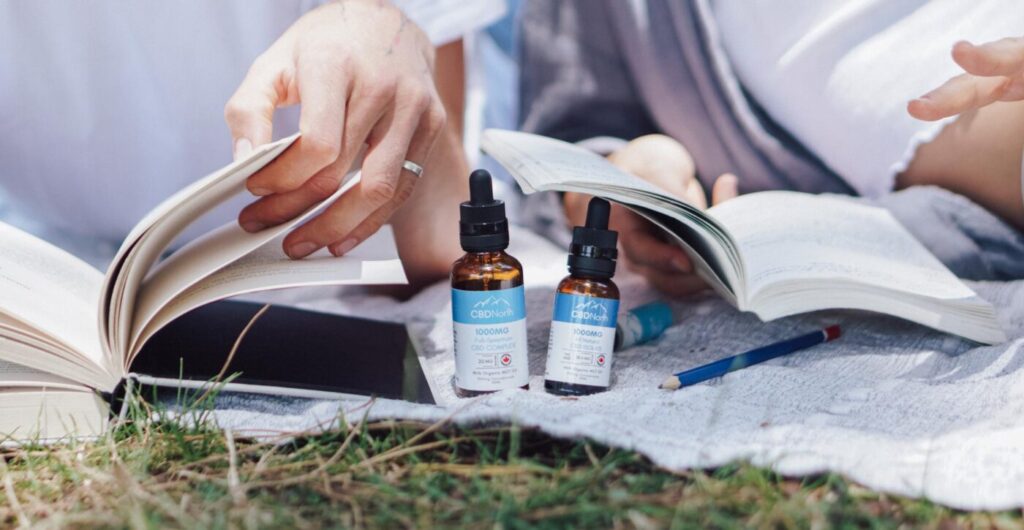
CBD and studying

Dosage and Start Low, Go Slow

Cannabidiol affects individuals differently, and finding the right dosage is a personal journey. Starting with a low dosage and gradually increasing it allows students to gauge their individual response and determine the optimal amount for their needs.

Third-Party Testing

To ensure the quality and purity of CBD products, students should look for brands that conduct third-party testing. This ensures that the product’s ingredients match the label and that it is free from contaminants.

Consultation with Healthcare Professionals

Before incorporating the compound into a wellness routine, it’s advisable for students to consult with healthcare professionals, especially if they are taking medications or have pre-existing health conditions.…

A Comprehensive Guide to CBD Dosage – Finding the Right Amount for You

Navigating the realm of cannabidiol is akin to embarking on a wellness journey where precision and individualization play pivotal roles. A comprehensive understanding of CBD dosage is paramount for those seeking to harness the potential benefits of this natural compound derived from the cannabis plant. In this guide, we unravel the intricacies of CBD dosage, empowering individuals to find the right amount that aligns with their unique wellness goals.

The Importance of Individualization

One of the fundamental principles of cannabidiol dosage is the acknowledgment of individual variability. Factors such as body weight, metabolism, overall health, and the specific wellness goals individuals aim to achieve all contribute to the uniqueness of their response to the compound. This individualization underscores the necessity of a personalized approach to dosing.

Understanding Milligrams – The Language of CBD Dosage

CBD products typically display the amount of of the compound in milligrams (mg) on their labels. This number represents the concentration of CBD in the product and serves as a reference point for determining the dose. When starting with this drug, it’s advisable to begin with a low dose, often in the range of 5 to 10 mg, and gradually increase as needed. This gradual titration allows individuals to observe their response to different dosage levels.

Body Weight and Dosage Considerations

Body weight is a crucial factor influencing CBD dosage. In general, individuals with higher body weights may require higher doses to experience the same effects as those with lower body weights. However, this is a general guideline, and the ideal dose remains a highly individualized aspect of the wellness journey.

The Tiered Approach – Finding Your Sweet Spot

The tiered approach involves starting with a low dosage and progressively increasing it until the desired effects are achieved. This method allows individuals to pinpoint their optimal quantity without the risk of overconsumption. It is particularly beneficial for those new to CBD, helping them acclimate to its effects while avoiding potential side effects associated with higher doses.

Considering the CBD Product Type

The type of product also influences dosage considerations. Cannabidiol is available in various forms, including tinctures, capsules, edibles, topicals, and more. Each CBD product type has a different bioavailability, meaning the rate at which CBD is absorbed into the bloodstream. For instance, tinctures taken sublingually have higher bioavailability than edibles, influencing the effective dosage.

Mindful Observation – Listening to Your Body

An essential aspect of determining the right CBD dosage is mindful observation. Individuals should pay attention to how their body responds to different doses, noting any changes in symptoms or side effects. Regular self-assessment allows for real-time adjustments to the dose, ensuring a tailored and effective wellness experience.

Consulting with Healthcare Professionals

For those with pre-existing health conditions or taking medications, consulting with healthcare professionals is crucial before incorporating CBD into their routine. Healthcare providers can offer personalized guidance based on an individual’s health history, potential drug interactions, and specific wellness goals. This collaborative approach ensures that the dosage aligns with overall health considerations.

CBD and the Entourage Effect

Quality is a paramount consideration when it comes to cannabidiol dosage. Full-spectrum CBD products, which contain a range of cannabinoids, terpenes, and other beneficial compounds, may elicit an enhanced therapeutic effect due to the entourage effect. This synergistic interaction among cannabis compounds emphasizes the importance of selecting high-quality products for optimal wellness outcomes.

The Potential Side Effects and Risks of Using CBD Oil

CBD (cannabidiol) oil has gained widespread popularity for its purported health benefits, ranging from anxiety relief to pain management. As more people turn to CBD as a natural remedy, it’s crucial to understand that, like any substance, CBD oil may have potential side effects and risks. This article explores some of the possible drawbacks associated with the use of CBD oil.

Lack of Regulation

One of the primary concerns with CBD oil is the lack of consistent regulation. The industry is relatively new and has yet to establish standardized guidelines for production, labeling, and dosage. This lack of oversight can result in variations in the quality and purity of CBD products, leading to potential health risks for consumers. Some products may contain higher or lower concentrations of CBD than advertised, while others may include contaminants such as pesticides or heavy metals.

Drug Interactions

CBD can interact with certain medications, potentially impacting their effectiveness or causing adverse reactions. The liver metabolizes many drugs, and CBD can inhibit certain enzymes responsible for this process. As a result, the concentration of some medications in the bloodstream may increase, leading to unintended side effects. Individuals taking medication should consult with their healthcare provider before incorporating CBD oil into their routine to avoid potential complications.

CBD oil

Gastrointestinal Issues

Some users may experience gastrointestinal issues as a side effect of CBD oil. Common complaints include nausea, diarrhea, and changes in appetite. While these symptoms are generally mild and temporary, they can be bothersome for some individuals. Adjusting the dosage or the method of consumption may help alleviate these issues, but it’s essential for users to be aware of the possibility of gastrointestinal discomfort.

Dry Mouth

Dry mouth, also known as cottonmouth, is a common side effect of CBD oil. The compound interacts with cannabinoid receptors in the salivary glands, reducing saliva production. While dry mouth is generally harmless, it can be uncomfortable and may lead to an increased risk of dental issues such as cavities. Staying hydrated and chewing sugar-free gum can help alleviate this side effect.

Potential for THC Contamination

Although CBD is not psychoactive, it is often derived from the cannabis plant, which may contain trace amounts of THC (tetrahydrocannabinol). THC is the psychoactive compound responsible for the “high” associated with marijuana. While CBD products are legally required to contain less than 0.3% THC, there have been instances of products exceeding this limit. Consuming CBD oil with higher-than-expected THC levels may lead to unwanted psychoactive effects, especially for individuals sensitive to THC.

Conclusion

While CBD oil has shown promise in various health applications, it’s essential for users to be aware of potential side effects and risks. Lack of regulation, drug interactions, gastrointestinal issues, dry mouth, mood and appetite changes, and the potential for THC contamination are factors to consider when using the product.

Individuals should approach cannabidiol use with caution, consult with healthcare professionals, and choose reputable products to maximize the potential benefits while minimizing potential risks. As research continues, a better understanding of CBD’s effects and risks will likely emerge, providing clearer guidance for both consumers and healthcare providers.

Eco-Friendly CBD – How to Choose Sustainable CBD Products

In recent years, the popularity of cannabidiol (CBD) products has soared, driven by their potential health benefits and therapeutic properties. As consumers become more conscientious about the environmental impact of their choices, the demand for eco-friendly and sustainable CBD products has also grown. In this evolving landscape, individuals are seeking ways to incorporate CBD into their wellness routines while minimizing their ecological footprint. Here’s a guide on how to choose sustainable CBD products for a more environmentally friendly approach to wellness.

Understanding Sustainability in CBD

Sustainability in the context of CBD involves considering the entire lifecycle of the product, from cultivation to manufacturing, packaging, and disposal. Sustainable CBD practices focus on minimizing the use of harmful chemicals, reducing energy consumption, and implementing eco-friendly packaging solutions.

Organic Farming Practices

Choosing CBD products derived from organically grown hemp is a crucial first step in selecting a sustainable option. Organic farming avoids the use of synthetic pesticides, herbicides, and fertilizers, promoting soil health and biodiversity. By opting for CBD products sourced from organic hemp, consumers support agricultural practices that are better for the planet and reduce the risk of harmful chemical residues in the final product.

Extraction Methods

The method used to extract CBD from hemp can significantly impact its environmental footprint. CO2 extraction is generally considered a cleaner and more sustainable method compared to solvent-based methods. CO2 extraction eliminates the need for harsh chemicals, minimizing the potential environmental impact and ensuring a purer end product.

Full Spectrum Vs Isolate

When selecting CBD products, consider whether they are made from full-spectrum or isolate CBD. Full-spectrum CBD extracts retain a broader range of cannabinoids and terpenes, providing a more holistic and natural experience. Choosing full-spectrum CBD may involve less processing, contributing to a lower environmental impact compared to isolates, which undergo more refining.

Third-Party Testing and Transparency

Choose CBD products from companies that prioritize transparency and provide third-party lab test results. Third-party testing ensures that the product’s potency and purity match the manufacturer’s claims. Companies that readily share these results demonstrate a commitment to accountability and consumer trust, promoting sustainability in the long run by fostering an honest and transparent industry.

Packaging Materials

Packaging is a critical aspect of sustainability. Look for CBD products that use eco-friendly packaging materials, such as recycled paper, glass, or biodegradable plastics. Some companies have embraced innovative packaging solutions, like compostable pouches or recycled cardboard containers, demonstrating a commitment to reducing their environmental impact.

CBD oil

Local and Sustainable Sourcing

Consider the origin of the hemp used in CBD products. Supporting local and sustainable sourcing practices reduces the carbon footprint associated with transportation and encourages environmentally conscious farming. Companies that prioritize local and sustainable sourcing contribute to the overall health of the communities in which they operate.

Bioavailability and Dosage Efficiency

Efficiency in product usage is another element of sustainability. Products with higher bioavailability often require smaller doses to achieve the desired effects. This not only reduces the overall amount of product consumed but also enhances the cost-effectiveness of CBD use.

Social Responsibility

Sustainable CBD goes beyond environmental considerations; it also encompasses social responsibility. Look for companies that engage in fair labor practices, support local communities, and contribute to charitable initiatives. By choosing CBD products from socially responsible companies, consumers play a role in promoting ethical business practices within the industry.…

CBD for Mindfulness – Cultivating Presence and Relaxation in the Modern World

In our fast-paced, technology-driven world, finding moments of peace and tranquility has become a precious commodity. Amidst the chaos of daily life, the pursuit of mindfulness has gained significant traction as people seek ways to reconnect with the present moment and alleviate stress. One approach that has garnered attention is the use of Cannabidiol, or CBD, a compound derived from the cannabis plant, known for its potential to promote relaxation and calmness. As interest in mindfulness practices continues to grow, the intersection of CBD and mindfulness has become a topic of exploration, offering a natural path toward enhanced well-being and self-awareness.

Mindfulness, at its core, involves paying deliberate attention to the present moment without judgment. It encourages individuals to observe their thoughts and feelings objectively, fostering a sense of awareness and acceptance. CBD, on the other hand, interacts with the body’s endocannabinoid system, a complex network of receptors that play a crucial role in regulating various physiological processes. When CBD interacts with these receptors, it may influence the body’s response to stress and anxiety, potentially facilitating a state of relaxation conducive to mindfulness.

One of the key ways in which CBD supports mindfulness is by helping individuals manage stress and anxiety. Chronic stress can hinder one’s ability to stay present, leading to a mind cluttered with worries and distractions. CBD’s potential to alleviate stress may create a conducive environment for mindfulness practices to thrive. By reducing the physiological and psychological manifestations of stress, individuals may find it easier to focus on the present moment, allowing them to fully engage in mindfulness exercises.

Furthermore, CBD has been associated with improved sleep quality, another vital aspect of overall well-being and mindfulness. Quality sleep is essential for cognitive functions, emotional regulation, and stress management. Lack of sleep can impair one’s ability to concentrate, leading to a foggy mind that hampers mindfulness efforts. By promoting restful sleep, CBD may indirectly enhance mindfulness by ensuring individuals are well-rested and mentally alert during their waking hours, enabling them to fully engage in mindfulness practices.

Additionally, CBD’s potential to reduce pain and inflammation can contribute to the practice of mindfulness. Chronic pain can be a significant barrier to staying present, as individuals often find themselves preoccupied with their discomfort. By mitigating pain, CBD may enable individuals to focus their attention inward, facilitating a deeper connection with their thoughts and emotions. Pain relief can create a physical and mental space for mindfulness, allowing individuals to explore their inner landscape without the distraction of physical discomfort.

It’s important to note that while CBD shows promise in supporting mindfulness, it is not a one-size-fits-all solution. Each individual’s body and mind are unique, and their response to CBD may vary. Consulting a healthcare professional before incorporating CBD into a mindfulness routine is advisable, especially for those with underlying health conditions or individuals taking medications that may interact with CBD.

To conclude, the synergy between CBD and mindfulness represents a promising avenue for those seeking a natural approach to relaxation and self-awareness. By addressing stress, promoting restful sleep, and alleviating pain, CBD may create an environment conducive to mindfulness practices.

As research in this area continues to evolve, individuals interested in exploring the benefits of CBD for mindfulness should approach the topic with an open mind, seeking guidance from healthcare professionals and experts to make informed decisions about their well-being.…

CBD Oil for Men’s Health – What Studies Say

In recent years, CBD (cannabidiol) has gained widespread attention for its potential health benefits, and it has been explored as a natural remedy for various health conditions. Among the many areas of interest, CBD oil has emerged as a subject of study in the context of men’s health. While research is still in its early stages, several studies have provided insights into how CBD may impact men’s health positively.

In this article, we’ll delve into what these studies say about the potential benefits of CBD oil for men’s health.

Pain Relief

Chronic pain, often associated with conditions like arthritis, sports injuries, or general wear and tear, is a common concern for men’s health. CBD’s analgesic properties have been investigated in several studies. For example, a study published in the European Journal of Pain in 2016 concluded that topical CBD application reduced pain and inflammation in animal models of arthritis. While more research is needed, these findings indicate that CBD may offer a natural alternative for managing pain.

Anxiety and Stress Management

One of the most well-established uses of CBD oil is its potential to alleviate anxiety and stress. Chronic stress and anxiety can have detrimental effects on men’s mental health, potentially leading to issues such as depression and insomnia. A study published in the Journal of Clinical Psychology in 2019 found that CBD significantly reduced anxiety levels and cognitive impairment in participants, suggesting its potential as an anxiolytic.

Heart Health

Cardiovascular health is a critical aspect of men’s well-being. Emerging research suggests that CBD may have potential benefits for the cardiovascular system. A study published in JCI Insight in 2017 found that CBD reduced blood pressure in healthy human subjects exposed to stress. High blood pressure is a risk factor for heart disease, making these findings significant for men’s heart health.

Sleep Improvement

Quality sleep is essential for overall health, yet many men struggle with sleep disorders. CBD has shown promise in addressing sleep disturbances. A study published in the Permanente Journal in 2019 found that CBD improved sleep scores for participants with anxiety or sleep-related issues. Better sleep can contribute to improved physical and mental health.

Hormonal Balance

Hormonal imbalances can affect men’s health, leading to issues like low testosterone levels. Some studies have explored the endocannabinoid system’s role in regulating hormones. While not specific to CBD, this research suggests that cannabinoids may play a part in maintaining hormonal balance, which is essential for reproductive and overall health.

Substance Use Disorders

man and CBD oil

Men are often at a higher risk of substance use disorders, such as alcohol or drug addiction. Preliminary research has examined CBD’s potential in reducing substance dependence. A study published in the journal Substance Abuse in 2019 suggested that CBD may help individuals with opioid addiction by reducing withdrawal symptoms and cravings.

Neuroprotection

Maintaining cognitive health is vital as men age. CBD’s neuroprotective properties have been studied in various contexts. Research published in the journal Frontiers in Pharmacology in 2018 showed that CBD may have potential therapeutic effects for neurodegenerative diseases like Alzheimer’s and Parkinson’s. While more research is needed in humans, these findings indicate the potential for CBD in promoting brain health.

Skin Health

Skin conditions can affect men’s confidence and well-being. CBD’s anti-inflammatory and antioxidant properties have made it a subject of interest in skincare. Research published in the Journal of Clinical Investigation in 2014 found that CBD may help reduce sebum production, potentially benefitting individuals with acne.…

CBD and the Endocannabinoid System – A Detailed Overview

CBD, short for cannabidiol, has gained significant attention in recent years for its potential therapeutic benefits. This naturally occurring compound, found in the Cannabis sativa plant, is renowned for its interaction with the endocannabinoid system (ECS) in the human body.

In this detailed overview, we will explore the intricacies of the ECS, how CBD interacts with it, and the potential health implications of this interaction.

Understanding the Endocannabinoid System (ECS)

The ECS is a complex cell-signaling system that plays a crucial role in maintaining homeostasis, or balance, within the body. It consists of three primary components:

Endocannabinoids

These are naturally occurring compounds produced by the body. The two main endocannabinoids are anandamide and 2-arachidonoylglycerol (2-AG). They act as signaling molecules, binding to cannabinoid receptors to transmit messages within the ECS.

Cannabinoid Receptors

There are two main types of cannabinoid receptors in the body, known as CB1 and CB2 receptors. CB1 receptors are primarily found in the central nervous system, while CB2 receptors are mainly present in the peripheral nervous system and immune cells.

Enzymes

Enzymes are responsible for breaking down endocannabinoids once they’ve fulfilled their function. Two key enzymes involved in this process are fatty acid amide hydrolase (FAAH), which breaks down anandamide, and monoacylglycerol lipase (MAGL), which breaks down 2-AG.

How CBD Interacts with the ECS

CBD interacts with the ECS in a unique way, despite being a phytocannabinoid (cannabinoid derived from plants) rather than an endocannabinoid. CBD does not directly bind to CB1 or CB2 receptors like THC (tetrahydrocannabinol), another well-known cannabinoid. Instead, CBD indirectly influences the ECS by modulating its activity.

CBD as an Allosteric Modulator

CBD is thought to act as an allosteric modulator of cannabinoid receptors, which means it can change the shape of these receptors without directly binding to them. This modulation can enhance or inhibit the binding of endocannabinoids and other cannabinoids to the receptors, altering the ECS’s overall activity.

Inhibition of Enzymes

CBD can inhibit the enzymes FAAH and MAGL, which are responsible for breaking down endocannabinoids like anandamide and 2-AG. By slowing down the breakdown of these endocannabinoids, CBD effectively prolongs their presence in the body, allowing for a more extended ECS response.

Potential Health Implications of CBD’s Interaction with the ECS

The interaction between CBD and the ECS has garnered interest in various potential health benefits. While research is ongoing and more evidence is needed, several areas show promise:

Pain Management: CBD may help alleviate pain by modulating the ECS’s response to pain signals. It’s being explored as a natural option for chronic pain conditions.

Anti-Inflammatory Effects: CBD’s interaction with the ECS may help reduce inflammation, making it a potential therapeutic option for conditions with an inflammatory component.

Anxiety and Depression: Some studies suggest that CBD may have anxiolytic (anxiety-reducing) and antidepressant properties. It may impact serotonin receptors in the brain, influencing mood regulation.

Neuroprotection: CBD’s neuroprotective properties are of interest in conditions like epilepsy. The FDA has approved a CBD-based medication, Epidiolex, for the treatment of certain types of seizures.

Sleep Disorders: CBD may impact the sleep-wake cycle and improve sleep quality, potentially benefiting individuals with insomnia or other sleep disorders.

Potential for Addiction Management: Some research suggests that CBD may help individuals struggling with substance use disorders by modulating reward pathways in the brain.

Conclusion

CBD’s interaction with the endocannabinoid system presents a fascinating area of study with significant potential for health and wellness applications.…