Press "Enter" to skip to content

Posts published in “Health”

Unraveling the Myth – Is CBD Withdrawal a Genuine Concern?

In recent years, CBD (cannabidiol) has surged in popularity as a natural remedy for various ailments, from anxiety and pain to insomnia and inflammation. As more people incorporate CBD into their wellness routines, questions arise about its potential side effects and withdrawal symptoms. Amidst the buzz surrounding CBD, one question looms large: does CBD withdrawal truly occur? Let’s delve into the science behind CBD usage and explore whether withdrawal is a genuine concern.

How CBD Interacts with the Human Body

Firstly, it’s essential to understand how CBD interacts with the body. Unlike its counterpart THC (tetrahydrocannabinol), CBD is non-intoxicating and does not produce the euphoric “high” associated with cannabis. Instead, CBD interacts with the endocannabinoid system, a complex network of receptors found throughout the body that helps regulate various physiological processes, including mood, pain perception, and immune function.

CBD Withdrawal – What You Should Know

Many users turn to CBD for its potential therapeutic benefits, seeking relief from conditions such as chronic pain, anxiety disorders, and epilepsy. However, as with any supplement or medication, there’s always a possibility of dependence or withdrawal when discontinuing use. So, does CBD withdrawal fall into this category?

old man ingesting CBD

Research on CBD withdrawal is relatively limited compared to studies on THC withdrawal. Still, existing evidence suggests that CBD withdrawal, if it occurs at all, is mild and transient, especially when compared to withdrawal from substances like opioids or benzodiazepines. A 2019 study published in the Journal of Clinical Medicine found that participants who abruptly stopped using CBD reported mild withdrawal symptoms such as irritability, insomnia, and anxiety. However, these symptoms were short-lived and typically resolved within a few days to a week.

Moreover, the likelihood of experiencing withdrawal symptoms may depend on various factors, including dosage, frequency of use, and individual differences in metabolism and physiology. Some users may develop a tolerance to CBD over time, requiring higher doses to achieve the same effects. In such cases, abruptly stopping or significantly reducing CBD intake may lead to withdrawal symptoms as the body adjusts to the absence of the compound.

It’s essential to note that not everyone who uses CBD will experience withdrawal symptoms, and for many users, discontinuing CBD use is hassle-free. Additionally, tapering off CBD gradually under the guidance of a healthcare professional can help minimize any potential withdrawal effects.

Furthermore, the legal status of CBD complicates the issue of withdrawal. While hemp-derived CBD with less than 0.3% THC is federally legal in the United States, state laws and regulations vary, leading to inconsistencies in product quality and potency. As a result, some CBD products may contain higher-than-advertised levels of THC, which could increase the risk of withdrawal symptoms, especially for individuals sensitive to THC.

Final Thoughts

While the concept of CBD withdrawal may raise concerns among users, current evidence suggests that any withdrawal symptoms associated with CBD are mild and short-lived, especially when compared to substances like opioids or benzodiazepines.

For most users, discontinuing CBD use is unlikely to result in significant withdrawal effects, and any symptoms that do occur are manageable and temporary. As with any supplement or medication, it’s essential to use CBD responsibly and seek guidance from a healthcare professional if you have any concerns about its use or discontinuation.

Ultimately, the decision to use CBD should be informed by individual needs, preferences, and health considerations.…

CBD and ADHD – What Science Says On Using CBD for ADHD Treatment?

ADHDAttention Deficit Hyperactivity Disorder is a neurodevelopmental disorder characterized by persistent patterns of inattention, hyperactivity, and impulsivity that can significantly impact daily functioning. As individuals seek alternative and complementary treatments, cannabidiol has emerged as a potential option.
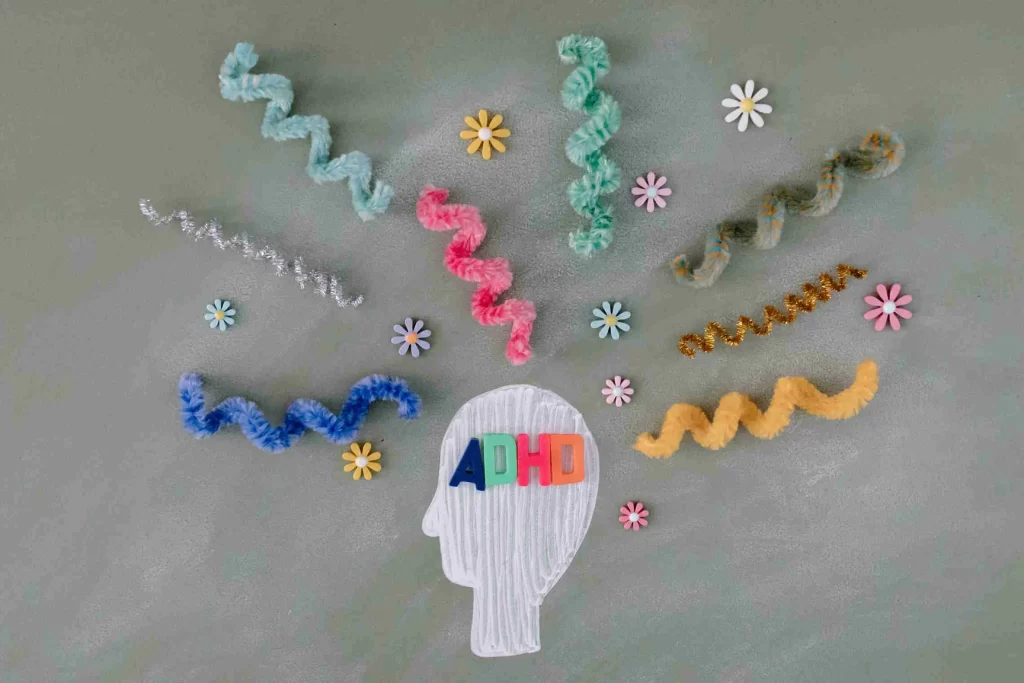


This article explores the relationship between CBD and ADHD, examining the existing scientific evidence, potential benefits, and considerations for those considering CBD as part of their ADHD management.

Understanding ADHD and Conventional Treatments

ADHD is commonly treated with stimulant medications like methylphenidate and amphetamines, which can be effective but may come with side effects and concerns about long-term use. Non-stimulant medications and behavioral therapy are also employed to manage symptoms. However, the quest for alternative approaches has led some individuals to explore CBD due to its perceived natural and holistic qualities.

The Endocannabinoid System and CBD

CBD is a non-psychoactive compound derived from the cannabis plant. It interacts with the endocannabinoid system (ECS), a complex network of receptors and neurotransmitters that plays a crucial role in regulating various physiological processes, including mood, sleep, and appetite. The ECS is implicated in neurodevelopmental disorders, making CBD a potential candidate for influencing ADHD symptoms.

The Current State of Scientific Research

While there is a growing body of research on CBD, studies specifically investigating its efficacy for ADHD are limited. A notable study published in the “Journal of Substance Abuse and Misuse” in 2013 explored self-reported ADHD symptoms among adults who used cannabis. The findings suggested that cannabis use was associated with a reduction in symptoms. However, it’s essential to note that this study did not isolate CBD, and the results were based on self-reports.

A more recent study published in “European Neuropsychopharmacology” in 2017 explored the effects of CBD on a rat model of ADHD. The researchers found that CBD administration led to improved cognitive performance and reduced hyperactivity in the rats. While animal studies provide valuable insights, the translation to human applicability requires further investigation.

Potential Mechanisms of Action

The potential mechanisms through which CBD might influence ADHD symptoms are complex and multifaceted. The compound interacts with serotonin receptors and may modulate dopamine levels in the brain, neurotransmitters implicated in the condition. Additionally, its anti-inflammatory and neuroprotective properties could play a role in mitigating neurodevelopmental abnormalities associated with it.

Considerations and Caveats

Let us talk about the important things you should take into consideration when using cannabidiol for the treatment of this disorder.

Lack of Standardization

The CBD market is not yet fully standardized, and products can vary widely in terms of content, quality, and purity. This lack of standardization makes it challenging to establish consistent dosages for ADHD management.

ADHD

Individual Variability

Responses to CBD can vary significantly among individuals. Factors such as metabolism, overall health, and the presence of other medications can influence how the compound interacts with the body.

Interactions with Medications

Individuals considering CBD for ADHD should consult with their healthcare providers, especially if they are already taking medications. The compound may interact with certain medications, potentially affecting their efficacy or causing unintended side effects.

Legal Considerations

The legal status of CBD varies globally and within different regions. Individuals should be aware of the legal framework surrounding cannabidiol use in their jurisdiction.

Final Thoughts

While the existing scientific evidence on cannabidiol and ADHD is promising, more rigorous research is needed to establish its safety and efficacy as a primary or complementary treatment.…

Can You Take CBD Before And After Surgery?

In the evolving landscape of wellness and medical choices, the surge in cannabidiol’s popularity prompts individuals to explore its potential role before and after surgery. As the non-psychoactive form of cannabis gains recognition for its purported health benefits, questions arise about its compatibility with surgical procedures.

This article delves into the complexities of incorporating CBD oil into the surgical journey, addressing considerations, potential benefits, and the essential need for consultations with healthcare professionals. Join us in navigating the nuanced terrain of its use in the context of surgery.

Can I Take CBD Oil Before Surgery?

CBD, or cannabidiol, has gained popularity for its potential health benefits, raising questions about its use before surgical procedures. While the compound is generally considered safe, individuals contemplating its use before surgery must navigate various factors. The decision to take CBD oil before surgery should be approached with careful consideration and, ideally, after consultation with healthcare professionals.

Does CBD Oil Reduce the Efficacy of Anesthetics?

One primary concern surrounding CBD use before surgery revolves around its potential interaction with anesthetics. Anesthetics are crucial for ensuring a pain-free and smooth surgical experience. Cannabidiol may impact the body’s metabolism of certain medications, raising questions about whether it could reduce the efficacy of anesthetics. This emphasizes the importance of open communication with healthcare providers to assess potential interactions and make informed decisions.

Is It Safe to Take CBD Oil Before Surgery?

The safety of taking CBD oil before surgery hinges on various factors. While CBD is generally well-tolerated, its safety in the context of surgery depends on factors such as dosage, individual response, and potential interactions with other medications. Consulting with a healthcare professional is paramount to determine whether CBD is a safe addition to your pre-surgery routine.

When to Stop Using CBD Oil Before a Surgery

Timing is a crucial consideration when incorporating CBD into your pre-surgery routine. Discontinuing CBD use well in advance of the surgery is recommended. This allows for a sufficient washout period, minimizing the risk of potential interactions with anesthesia and other medications administered during the procedure. The specific timeframe for discontinuation may vary, emphasizing the need for personalized advice from healthcare providers.

Can CBD Oil Reduce Stress Before Surgery?

One of the touted benefits of the herb is its potential to reduce stress and anxiety. Many individuals facing surgery experience heightened stress levels, and CBD’s calming properties may offer relief. While some anecdotal evidence supports the stress-relieving effects, its impact can vary between individuals. It is essential to approach the compound as a potential complementary strategy for stress reduction and not a guaranteed solution for everyone.

preparing for a surgery

What About Using CBD Oil After a Surgery?

Post-surgery, individuals explore various options for pain management and recovery. CBD oil has been considered for its potential analgesic and anti-inflammatory properties. Some users report improved pain management and reduced inflammation with its use.

What Ratio of CBD/THC Works Best for Post-Surgery Recovery?

Scientists suggest that CBD, when taken in a ratio of 1:1 with THC, works best for reducing post-surgery discomfort. However, such tinctures are only legal for patients in states that run medical marijuana programs.

CBD and Side Effects of Surgery

Apart from managing stress and discomfort, cannabidiol can help alleviate the side effects of surgery such as vomiting and nausea or loss of appetite. Studies suggest that CBD has the potential to manipulate the brain mechanisms responsible for controlling vomiting and nausea, thereby easing your digestion.…

Exploring the Potential Benefits of CBD Oil for Hair Growth

CBD (cannabidiol) oil, derived from the cannabis plant, has gained significant attention in recent years due to its potential therapeutic properties. Beyond its well-known applications for anxiety, pain relief, and skin care, emerging research suggests that CBD oil may also offer promising benefits for hair growth. This article explores the potential advantages of using CBD oil for promoting hair growth, shedding light on its mechanisms, applications, and effectiveness.

Understanding CBD and Hair Growth

CBD is a non-psychoactive compound found in cannabis, known for its interaction with the endocannabinoid system in the body. Recent studies have revealed that the endocannabinoid system plays a crucial role in regulating various physiological processes, including skin and hair health. CBD interacts with receptors in the endocannabinoid system, potentially influencing the factors that contribute to hair loss and promoting an environment conducive to hair growth.

CBD Oil and Hair Follicles

Hair growth begins at the hair follicles, where cells divide and new hair strands form. Research suggests that CBD oil may stimulate hair growth by improving the health of hair follicles. CBD contains amino acids, vitamins, and minerals that nourish hair follicle cells, promoting stronger, healthier strands. Moreover, CBD’s antioxidant properties protect hair follicles from damage caused by free radicals, supporting their longevity and functionality.

CBD Oil and Scalp Health

A healthy scalp is essential for robust hair growth. CBD oil contains omega-3, omega-6, and omega-9 fatty acids, which are known for their moisturizing and nourishing properties. When applied topically, CBD oil can hydrate the scalp, reducing dryness and irritation. Additionally, CBD’s anti-inflammatory properties may help alleviate scalp conditions like eczema and psoriasis, creating a healthier environment for hair follicles to thrive.

CBD for Stress-Induced Hair Loss

Stress is a common factor contributing to hair loss. Chronic stress can disrupt hormonal balance, leading to conditions like telogen effluvium, where hair prematurely enters the resting phase and falls out. CBD oil has shown promise in reducing stress and anxiety, potentially mitigating stress-induced hair loss. By promoting relaxation and balancing stress hormones, CBD oil may indirectly support healthy hair growth.

woman applying CBD oil in hair

CBD Oil and DHT Reduction

DHT, a hormone derived from testosterone, is a major contributor to hair loss, particularly in individuals genetically predisposed to male or female pattern baldness. Studies suggest that CBD oil may inhibit the production of DHT. By reducing the levels of this hormone, CBD oil can potentially slow down or prevent hair loss in individuals susceptible to DHT-related alopecia.

Using CBD Oil for Hair Growth

CBD oil can be applied topically to the scalp or ingested orally. When applying topically, it’s advisable to mix CBD oil with a carrier oil (such as coconut or olive oil) to enhance its absorption. Massaging the oil mixture into the scalp stimulates blood flow, ensuring better delivery of nutrients to hair follicles. Alternatively, oral consumption of CBD oil provides systemic benefits, addressing potential underlying factors contributing to hair loss, such as stress or hormonal imbalances.

Final Thoughts

While research on the specific effects of CBD oil on hair growth is still in its early stages, the existing evidence and anecdotal reports suggest that CBD oil holds promise as a natural solution for promoting healthy hair growth. Its ability to nourish the scalp, support hair follicles, reduce stress, and inhibit DHT production makes it a compelling option for individuals looking to address hair loss concerns.…

CBD and Seasonal Affective Disorder – Can It Help?

As the days grow shorter and the weather turns colder, many people find their mood and energy levels taking a dip. For some, this change in mood is more than just a case of the winter blues; it’s a condition known as Seasonal Affective Disorder (SAD).

SAD is a form of depression that occurs seasonally, often in the fall and winter months, when there is less natural sunlight. While there are various treatments available, including light therapy and counseling, there is growing interest in exploring alternative remedies, such as CBD, to alleviate the symptoms of SAD.

Understanding Seasonal Affective Disorder

SAD is characterized by a range of symptoms, including persistent sadness, lack of energy, changes in sleep and appetite, and difficulty concentrating. These symptoms can significantly impact a person’s daily life, making it harder to function at work or maintain relationships. The exact cause of SAD is not fully understood, but it is believed to be linked to changes in sunlight exposure, which can disrupt the body’s internal clock, also known as, circadian rhythm and affect the production of certain neurotransmitters like serotonin and melatonin.

The Role of CBD in Mental Health

CBD, short for cannabidiol, is a natural compound derived from the cannabis plant. Unlike its counterpart THC (tetrahydrocannabinol), CBD does not produce a “high” and is generally well-tolerated by most people. CBD interacts with the endocannabinoid system, a complex cell-signaling system that plays a role in regulating various bodily functions, including mood, sleep, and stress.

CBD and Serotonin Levels

One of the ways CBD may potentially help individuals with SAD is by interacting with serotonin receptors in the brain. Serotonin is a neurotransmitter that plays a key role in regulating mood and emotional well-being. Low serotonin levels are often associated with conditions like depression and anxiety. Some research suggests that CBD may influence how the brain’s receptors respond to serotonin, potentially enhancing its effects and helping to alleviate symptoms of low mood.

CBD and Sleep Patterns

Disruptions in sleep patterns are common among individuals with SAD. CBD has shown promise in improving sleep quality and regulating sleep-wake cycles. By promoting better sleep, CBD may help individuals with SAD achieve more restful and restorative sleep, potentially alleviating one of the major symptoms of the disorder.

CBD prescription

CBD and Anxiety Reduction

Anxiety often accompanies depressive disorders like SAD. CBD has been studied for its anxiolytic (anxiety-reducing) properties. Research indicates that CBD may impact the way the brain’s receptors respond to serotonin, which could explain its potential anti-anxiety effects. By reducing anxiety, CBD might indirectly help individuals with SAD feel more at ease and cope better with the challenges associated with the disorder.

Consultation and Caution

While the potential benefits of CBD for SAD are intriguing, it’s crucial to approach its use with caution. CBD affects individuals differently, and what works for one person may not be effective for another. Furthermore, the quality and potency of CBD products vary widely in the market, making it essential to choose products from reputable manufacturers.

If you’re considering using CBD to manage symptoms of SAD, it’s advisable to consult a healthcare professional, preferably one with expertise in cannabinoid medicine. They can provide personalized guidance, ensuring that CBD is used safely and in conjunction with other treatments when appropriate.

Final Thoughts

While research on CBD’s specific effects on Seasonal Affective Disorder is still in its early stages, there is a growing body of evidence suggesting its potential in alleviating symptoms associated with mood disorders and anxiety.…

The Potential Benefits of CBD Oil for People with Autoimmune Diseases

CBD oilIn recent years, there has been a growing interest in the therapeutic potential of Cannabidiol (CBD) oil, a natural compound derived from the cannabis plant. One area where CBD oil has shown remarkable promise is in the realm of autoimmune diseases. These conditions, where the body’s immune system attacks its own cells, often leading to chronic inflammation and debilitating symptoms, have found a new ray of hope in the form of CBD oil.


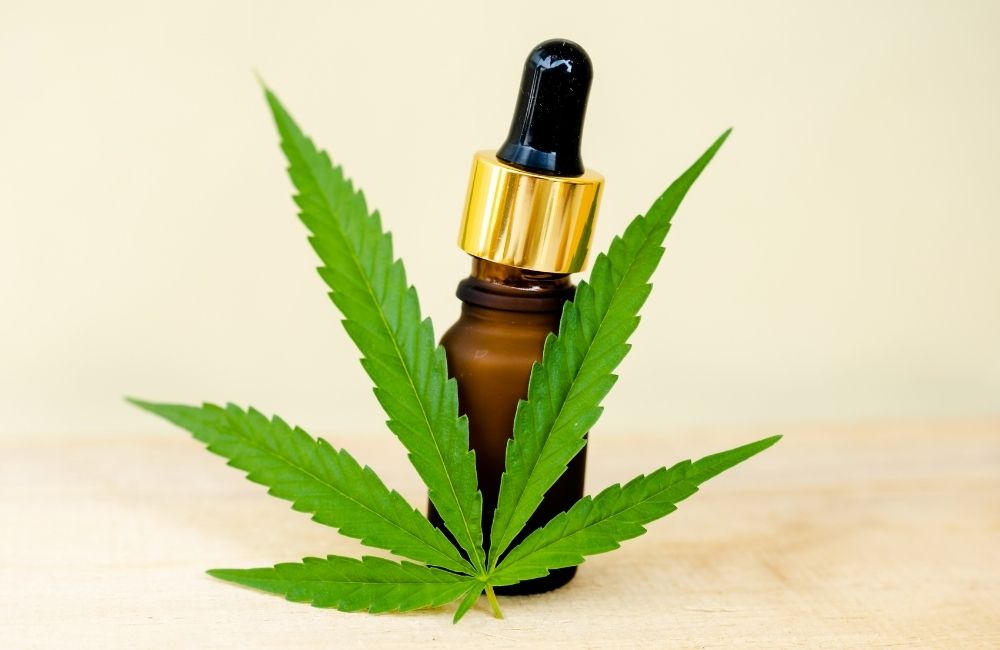
Let’s delve into the potential benefits that this natural remedy offers to individuals battling autoimmune diseases.

Reduced Inflammation

Autoimmune diseases are characterized by inflammation in various parts of the body. CBD oil has anti-inflammatory properties, which can help in reducing the inflammation associated with autoimmune disorders such as rheumatoid arthritis, lupus, and multiple sclerosis. By inhibiting inflammatory responses, CBD oil may offer relief from pain and swelling, improving the overall quality of life for patients.

Balanced Immune Responses

CBD oil is known to modulate the immune system. In autoimmune diseases, the immune system mistakenly attacks healthy cells, leading to widespread damage. CBD’s immunomodulatory properties help in regulating immune responses, potentially preventing the immune system from attacking the body’s own tissues. This balance is vital for managing autoimmune conditions effectively.

Pain Management

Chronic pain is a common symptom of many autoimmune diseases. CBD oil interacts with the endocannabinoid system, which plays a crucial role in regulating pain perception. By modulating the endocannabinoid receptors, CBD oil can alleviate pain signals, providing much-needed relief to individuals suffering from autoimmune-related pain conditions.

Improved Sleep Patterns

Chronic pain, anxiety, and discomfort caused by autoimmune diseases can severely disrupt sleep patterns. CBD oil has shown promise in promoting better sleep by addressing these issues. By calming the mind and body, CBD oil may help patients achieve deeper, more restorative sleep, crucial for overall well-being and healing.

Anxiety and Depression Relief

Living with the challenges of autoimmune diseases can lead to anxiety and depression. CBD oil has anxiolytic properties, meaning it can reduce anxiety levels. Additionally, it acts on the serotonin receptors in the brain, which are associated with mood regulation. By alleviating anxiety and depression, CBD oil not only enhances mental well-being but also positively impacts the overall health of individuals with autoimmune disorders.

Neuroprotective Effects

Some autoimmune diseases, like multiple sclerosis, affect the central nervous system, leading to neurological symptoms. CBD oil’s neuroprotective properties can shield the nervous system from damage, potentially slowing down the progression of these diseases and improving the quality of life for patients.

Minimal Side Effects

Compared to many pharmaceutical drugs used to treat autoimmune diseases, CBD oil offers a more natural and gentle approach with minimal side effects. While individual responses may vary, the overall incidence of adverse effects is relatively low, making it a safer option for long-term use.

In conclusion, the potential benefits of CBD oil for people with autoimmune diseases are vast and promising. While research is ongoing and individual responses may vary, the current findings suggest that CBD oil can be a valuable addition to the arsenal of treatments available for autoimmune conditions.

As with any health-related decision, it is essential for individuals to consult their healthcare providers before incorporating CBD oil into their treatment regimen. The healing touch of CBD oil might just be the breakthrough needed to provide relief, comfort, and hope to millions battling autoimmune diseases worldwide.

CBD Oil and Eye Health – What You Need to Know

In recent years, CBD oil has gained significant attention for its potential health benefits. Derived from the cannabis plant, CBD (cannabidiol) is a non-psychoactive compound known for its various therapeutic properties. While extensive research is still underway to fully understand the range of benefits CBD offers, there is growing interest in its potential impact on eye health. In this article, we will explore the current state of research on CBD oil and its effects on eye health, shedding light on what you need to know about this promising natural remedy.

Understanding CBD and Its Mechanism of Action

CBD interacts with the endocannabinoid system, a complex cell-signaling system present in the human body. This system plays a crucial role in regulating various physiological processes, including pain, mood, appetite, and immune function. The receptors of the endocannabinoid system are also found in the eyes, making researchers curious about the potential effects of CBD on ocular health.

CBD and Retinal Health

The retina is a vital part of the eye responsible for receiving light and transmitting visual information to the brain. Some studies have indicated that CBD’s anti-inflammatory and antioxidant properties might be beneficial for retinal health. By reducing inflammation and oxidative stress, CBD could potentially protect retinal cells from damage caused by various diseases, including diabetic retinopathy and age-related macular degeneration. However, these findings are preliminary, and further research is required to determine the extent of CBD’s impact on retinal health.

CBD and Glaucoma

One of the primary areas of interest regarding CBD and eye health is its potential in managing glaucoma. Glaucoma is a group of eye conditions that can lead to optic nerve damage, resulting in vision loss. Studies have suggested that CBD may help reduce intraocular pressure, a key factor in glaucoma. By alleviating pressure within the eyes, CBD could potentially offer a therapeutic avenue for managing this condition. However, it’s crucial to note that while research is promising, more clinical trials are needed to establish the efficacy and safety of CBD in glaucoma treatment.

woman with hands underneath eyes

CBD and Neuroprotection

Apart from its potential in managing specific eye conditions, CBD’s neuroprotective properties have garnered interest. Neuroprotection refers to the preservation of the structure and function of neurons, including those in the eyes. Some studies suggest that CBD’s ability to reduce oxidative stress, inflammation, and excitotoxicity (excessive stimulation of nerve cells) might contribute to neuroprotection. This could be relevant for preventing or slowing down the progression of neurodegenerative diseases affecting the eyes, such as optic neuropathy.

Precautions and Considerations

While the potential benefits of CBD on eye health are intriguing, it’s essential to approach CBD products with caution. The lack of comprehensive regulation in the CBD industry means that the quality and potency of products can vary significantly. When considering CBD oil for eye health, it’s crucial to choose high-quality, third-party tested products from reputable manufacturers.

Additionally, consulting with a healthcare professional, preferably one with expertise in ophthalmology, is crucial before incorporating CBD into your eye health regimen. They can provide personalized guidance, considering your specific health condition, medications, and overall wellness goals.

Final Thoughts

While there is promising research indicating that CBD oil might have positive effects on eye health, the field is still in its early stages. As with any health-related decision, it’s essential to make well-informed choices. Stay updated with the latest research developments, consult healthcare professionals, and opt for reputable CBD products if you decide to explore CBD’s potential benefits for your eyes.…

Full Spectrum CBD and Its Neurological Benefits

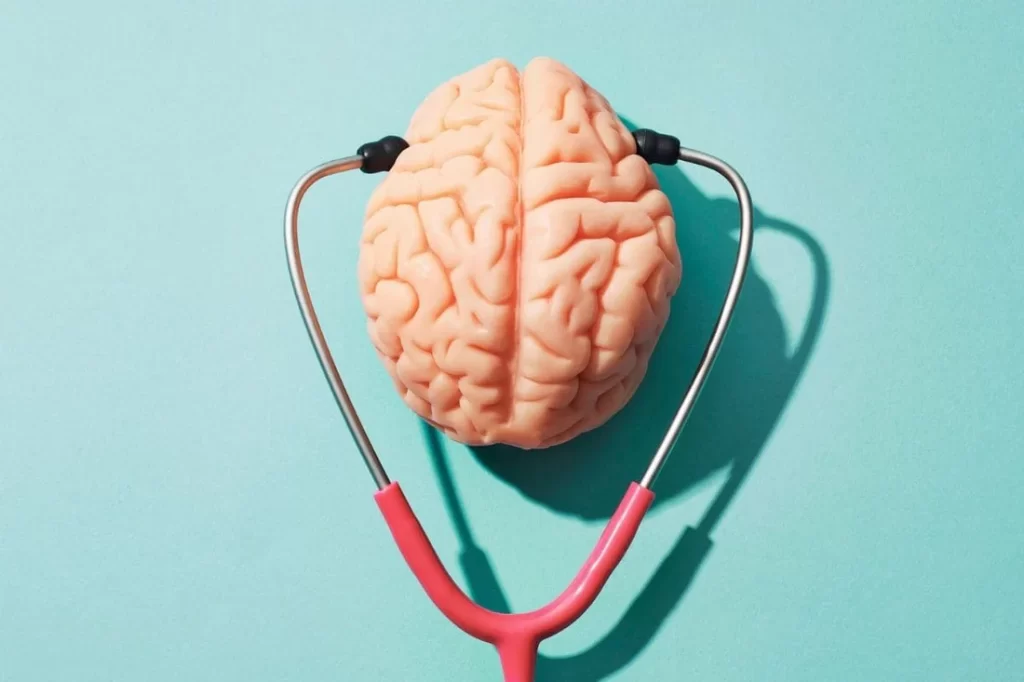
full spectrum CBD oilFull-spectrum CBD, short for cannabidiol, has gained significant attention in recent years for its potential neurological benefits. As one of the many compounds found in the cannabis plant, CBD is non-psychoactive and has shown promise in a wide range of neurological conditions. In this article, we will explore the concept of full-spectrum CBD and how it may offer neurological benefits.

Understanding Full-Spectrum CBD

Full-spectrum CBD is an extract from the cannabis plant that contains not only CBD but also a variety of other compounds, including other cannabinoids, terpenes, and trace amounts of THC (tetrahydrocannabinol). This combination of compounds working together is often referred to as the “entourage effect.” The idea behind the entourage effect is that the various compounds in the cannabis plant may enhance each other’s therapeutic effects when taken together, potentially providing greater benefits than isolated CBD.

Neurological Benefits of Full-Spectrum CBD

Here are some of the top benefits of full-spectrum CBD.

Pain Management

One of the most well-known uses of CBD is its potential to alleviate pain, including neurological pain conditions such as neuropathic pain and migraines. Full-spectrum CBD’s interaction with the endocannabinoid system and its anti-inflammatory properties may contribute to its pain-relieving effects.

Sleep Disorders

CBD has been found to improve sleep quality and alleviate insomnia symptoms in some individuals. By regulating sleep patterns and addressing underlying anxiety or pain issues, full-spectrum CBD may provide relief for those with sleep disorders like insomnia or sleep apnea.

Neuroprotective Properties

Full-spectrum CBD has demonstrated neuroprotective properties in various preclinical studies. It may help protect nerve cells from damage, making it a potential candidate for conditions like multiple sclerosis (MS) and Alzheimer’s disease. While more research is needed, these findings hold promise for the future of neurological medicine.

Stress and Anxiety Relief

Full-spectrum CBD has shown promise in reducing anxiety and stress levels. It may affect the brain’s receptors for serotonin, a neurotransmitter that plays a key role in regulating mood. This can be particularly beneficial for individuals dealing with anxiety disorders, post-traumatic stress disorder (PTSD), and generalized anxiety.

Seizure and Epilepsy

Perhaps the most significant breakthrough in CBD’s neurological benefits is its effectiveness in reducing seizures, especially in rare forms of epilepsy such as Dravet syndrome and Lennox-Gastaut syndrome. The FDA has approved a CBD-based medication, Epidiolex, for the treatment of these conditions, highlighting the compound’s potential in neurological medicine.

Mood Regulation

Full-spectrum CBD may also play a role in mood regulation, making it potentially beneficial for conditions like bipolar disorder and depression. While it’s not a replacement for traditional psychiatric medications, it could be used as a complementary treatment option.

mental health

Neuroinflammation Reduction

Chronic neuroinflammation is implicated in various neurological disorders. CBD’s anti-inflammatory properties may help reduce neuroinflammation, which is thought to contribute to conditions like Parkinson’s disease and multiple sclerosis.

Safety Considerations

While full-spectrum CBD offers several potential neurological benefits, it’s important to consider safety and legality. CBD products derived from industrial hemp typically contain less than 0.3% THC, which is not enough to produce psychoactive effects. However, it’s crucial to research and purchase CBD products from reputable sources to ensure purity and quality.

Additionally, individuals should consult with a healthcare professional before starting any CBD regimen, especially if they are currently taking medications or have underlying medical conditions. Dosage and potential interactions with other substances should be carefully monitored under medical guidance.…

Effects of CBD Oil on Age-Related Conditions

an elderly woman with a doctorAs the population ages, more and more people are exploring natural remedies to support healthy aging. One area of interest is the potential effects of CBD (cannabidiol) on age-related conditions and overall wellness. In this article, we will delve into the latest research and discuss the possible benefits of CBD oil for aging individuals, addressing age-related conditions and promoting general well-being.

CBD Oil and Aging

CBD is a non-psychoactive compound derived from the cannabis plant known for its potential therapeutic properties. Research suggests that CBD interacts with the body’s endocannabinoid system, which plays a role in regulating various bodily functions. As individuals age, they may experience age-related conditions such as chronic pain, inflammation, cognitive decline, and sleep disturbances. CBD has shown promise in addressing these issues due to its potential analgesic, anti-inflammatory, neuroprotective, and sleep-promoting properties.

CBD Oil for Age-Related Pain Management

Chronic pain is a common issue among aging individuals. CBD has demonstrated potential as a natural alternative for pain management. Studies indicate that CBD may interact with pain receptors in the body, reducing pain perception and inflammation. By modulating the endocannabinoid system, CBD can potentially alleviate pain associated with conditions like arthritis, neuropathy, and musculoskeletal disorders. However, more research is needed to determine the ideal dosage, administration methods, and long-term effects of CBD for pain management in aging individuals.

CBD for Sleep and Relaxation

Quality sleep becomes increasingly important as individuals age. Sleep disturbances are common among older adults, leading to daytime fatigue and decreased overall well-being. CBD may aid in promoting better sleep by reducing anxiety, alleviating pain, and influencing sleep-regulating mechanisms. Research suggests that CBD interacts with receptors in the endocannabinoid system involved in sleep regulation. By promoting relaxation and reducing stress levels, CBD may help aging individuals achieve a more restful night’s sleep. However, individual responses to CBD can vary, and it’s important to find the right dosage and consult with a healthcare professional.

CBD for Cognitive Health

Cognitive decline, including conditions like Alzheimer’s disease and dementia, can significantly impact aging individuals’ quality of life. CBD has shown promise in supporting brain health and potentially delaying cognitive decline. Research suggests that CBD’s anti-inflammatory and neuroprotective properties may help reduce oxidative stress and neuroinflammation, both of which are associated with cognitive decline. Additionally, CBD may promote neurogenesis, the growth and development of new neurons, potentially enhancing cognitive function. While the research is still in its early stages, these findings highlight CBD’s potential as a natural compound for supporting cognitive health in aging individuals.

Effects on General Well-Being

Beyond addressing specific age-related conditions, CBD may contribute to overall well-being in aging individuals. CBD’s potential anti-inflammatory, antioxidant, and anxiolytic properties may help reduce oxidative stress, inflammation, and anxiety levels, improving overall quality of life. Furthermore, CBD’s interaction with the endocannabinoid system may contribute to maintaining homeostasis, supporting various bodily functions. However, it’s important to note that CBD is not a magical cure-all, and its effects may vary depending on the individual.

Final Thoughts

While research on CBD and aging is still evolving, preliminary findings suggest that CBD may hold promise for addressing age-related conditions and promoting general well-being in aging individuals. As always, it is important to consult with healthcare professionals, start with low doses, and ensure the quality and legality of CBD products to make sure you get the desired effects.

CBD For Gut Health – Can CBD Oil Help with Digestive Disorders?

woman with stomach acheGut health plays a crucial role in our overall well-being, influencing digestion, immune function, and even mental health. With growing interest in natural remedies, CBD has emerged as one of the hottest topics of discussion due to its potential benefits.

In this article, we will delve into the relationship between CBD and gut health, exploring how CBD oil may offer potential advantages for individuals dealing with digestive disorders and promoting overall gastrointestinal wellness.

Gut Health and Digestive Problems

The gastrointestinal (GI) tract is a complex system responsible for the digestion and absorption of nutrients, as well as housing a significant portion of our immune system. Digestive disorders such as irritable bowel syndrome (IBS), inflammatory bowel disease (IBD), and gastrointestinal inflammation can cause discomfort, pain, and negatively impact quality of life.

Potential Benefits of CBD Oil for Gut Health

CBD Oil is known to offer several benefits for gut health, thereby boosting digestion and helping you find relief from the symptoms of digestive disorders.

Anti-Inflammatory Action

CBD has shown promising anti-inflammatory properties, which may help reduce inflammation in the GI tract. Inflammation is a common factor in many digestive disorders, and by targeting inflammation, CBD may alleviate symptoms associated with these conditions.

Pain Relief

CBD’s analgesic properties may provide relief from abdominal pain, cramping, and discomfort often experienced by individuals with digestive disorders. By interacting with the body’s endocannabinoid system (ECS), CBD may help modulate pain signals and promote comfort.

Gut-Brain Axis

The gut and the brain communicate bidirectionally through the gut-brain axis. CBD’s potential anxiolytic and antidepressant properties may help alleviate stress, anxiety, and depression, which are commonly associated with digestive disorders. By supporting mental well-being, CBD may indirectly benefit gut health.

Gut Motility Regulation

CBD may help regulate gut motility, addressing issues such as diarrhea and constipation. Studies have suggested that CBD can influence the movement of muscles in the GI tract, potentially restoring balance and normalizing bowel movements.

Relief from Nausea

CBD has shown promise in reducing nausea and vomiting, symptoms often experienced by individuals with conditions like IBD and chemotherapy-induced nausea. By interacting with serotonin receptors and other neurotransmitter systems, CBD may help alleviate these distressing symptoms.

How to Use CBD Oil for Gut Health

If you are considering using CBD to support gut health, it is important to follow these best practices:

Consult a Healthcare Provider

Before incorporating CBD into your routine, consult with a healthcare professional, especially if you have an existing medical condition or are taking medications.

Get High-Quality Products

Look for CBD products sourced from reputable manufacturers that undergo third-party testing to ensure quality and purity.

Start with Low Doses

Begin with a low CBD dosage and gradually increase as needed, observing how your body responds. Every individual’s response to CBD may vary.

Go for Full-Spectrum

Full-spectrum CBD products contain a wide range of cannabinoids, terpenes, and other beneficial compounds that work together synergistically. This is known as the entourage effect, which may enhance the overall benefits.

Follow Healthy Lifestyle

While CBD may offer potential benefits for gut health, it is essential to maintain a healthy lifestyle that includes a balanced diet, regular exercise, stress management, and adequate sleep.

Final Thoughts

While research on CBD and gut health is still in its early stages, preliminary findings suggest that CBD may offer potential benefits for individuals with digestive disorders.…