

Last updated on June 25, 2023
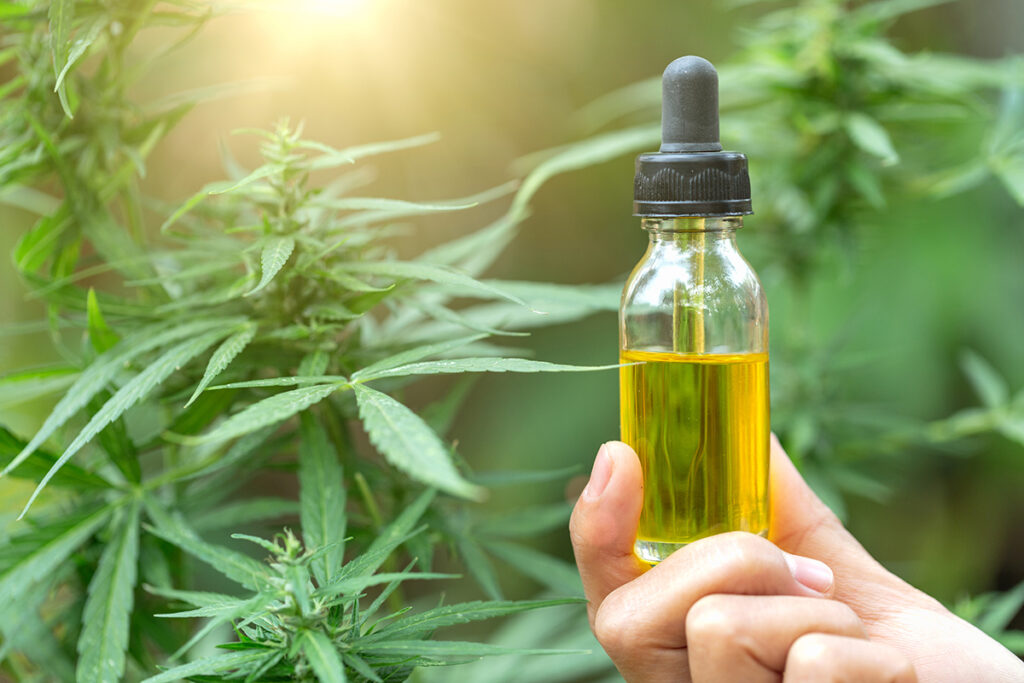 Cancer is a complex and devastating disease that affects millions of people worldwide. While conventional treatments like chemotherapy, radiation, and surgery are commonly used, there is growing interest in exploring alternative approaches to cancer care. One such alternative that has gained attention is CBD oil, derived from the cannabis plant. In this article, we will explore the potential of CBD oil in cancer care and the current state of research surrounding its use.
CBD, or cannabidiol, is one of the many cannabinoids found in cannabis plants. Unlike THC, another well-known cannabinoid, CBD does not have psychoactive effects, meaning it does not produce a “high.” CBD oil is typically extracted from hemp plants, which contain minimal levels of THC.
Research suggests that CBD oil may have several potential benefits in cancer care. One of the most significant areas of interest is its ability to alleviate cancer-related symptoms and side effects of conventional treatments. Studies have shown that CBD oil may help manage chemotherapy-induced nausea and vomiting, reduce pain and inflammation, and improve sleep patterns. By providing relief from these symptoms, CBD oil can contribute to enhancing the overall quality of life for cancer patients.
Furthermore, some preclinical studies have explored the potential anti-cancer properties of CBD oil. Research conducted in test tubes and animal models has shown that CBD may have anti-tumor effects. It has been observed to inhibit the growth of cancer cells and induce programmed cell death, a process known as apoptosis. However, it is essential to note that these findings are preliminary, and more research is needed to fully understand the potential of CBD oil in cancer treatment.
In terms of human studies, the research on CBD oil and cancer is still in its early stages. Most of the available evidence comes from preclinical and observational studies, as well as anecdotal reports. While these studies provide valuable insights, they do not offer the same level of scientific rigor as controlled clinical trials.
Several ongoing clinical trials are investigating the use of CBD oil in cancer care. These trials aim to evaluate the safety, efficacy, and optimal dosage of CBD oil as a complementary therapy for cancer patients. It is through these well-designed studies that we can gain more substantial evidence and a clearer understanding of CBD oil’s potential role in cancer treatment.
It is important to note that CBD oil should not be considered a replacement for conventional cancer treatments. It should be used as a complementary therapy under the guidance and supervision of healthcare professionals. Cancer patients should always consult with their oncologists before incorporating CBD oil or any other alternative treatments into their cancer care regimen.
Additionally, the use of CBD oil in cancer care raises important considerations regarding product quality, purity, and dosage. It is crucial to choose high-quality CBD oil products from reputable manufacturers that undergo third-party testing to ensure purity and potency. Dosage should be determined based on individual needs and should be discussed with a healthcare professional experienced in CBD use.
To conclude, while CBD oil shows promise in cancer care, more research is needed to establish its efficacy and safety as a complementary therapy. It may provide relief from cancer-related symptoms and side effects of conventional treatments, contributing to an improved quality of life for patients. Ongoing clinical trials will shed more light on the potential of CBD oil in cancer treatment. As with any alternative therapy, it is crucial for cancer patients to consult with their healthcare team to make informed decisions about incorporating CBD oil into their cancer care plan.

Comments are closed, but trackbacks and pingbacks are open.