

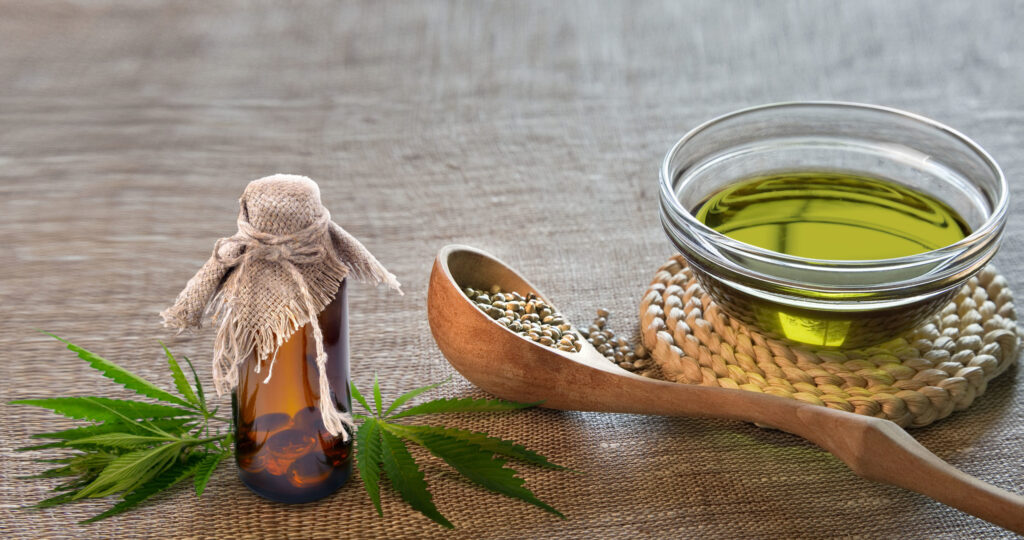
 Both CBD oil and Hemp seed oil have recently gained a significant attention in the past few years owing to their amazing health benefits. However, users are often confused about the differences between the two products. While both of these products are derived from the hemp plant, they vary in terms of effects, uses, and composition.
Today, let us try to understand the differences between CBD oil and Hemp seed oil and shed some light on their unique applications and characteristics.
Extraction and Composition
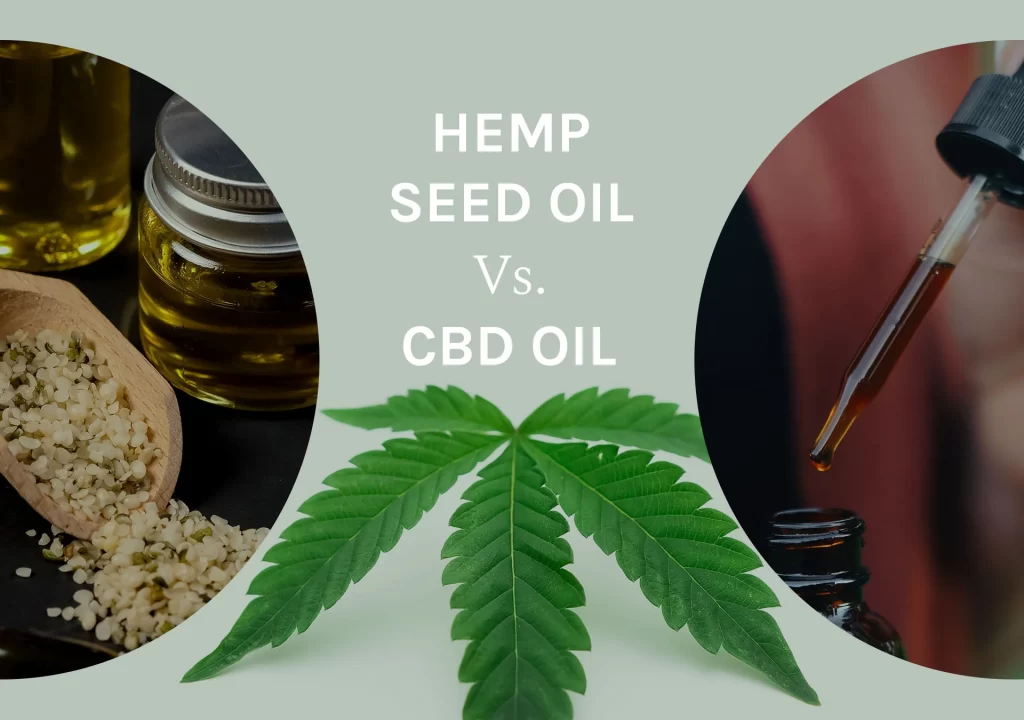
CBD (cannabidiol) oil is extracted from the flowers, leaves, and stalks of the hemp plant using various extraction methods such as CO2 extraction. It contains high concentrations of CBD and other cannabinoids, along with trace amounts of THC (tetrahydrocannabinol), the psychoactive compound found in marijuana. CBD oil can be further refined to isolate CBD, resulting in a pure form known as CBD isolate.
Hemp seed oil, or hemp oil, on the other hand, is extracted solely from the seeds of the hemp plant. The seeds undergo a cold-pressing process to extract the oil. Hemp seed oil does not contain CBD or significant levels of cannabinoids. Instead, it is rich in essential fatty acids, including omega-3 and omega-6, vitamins, minerals, and antioxidants.
Benefits and Uses
CBD oil is popular for its potential therapeutic effects. It interacts with the body’s endocannabinoid system, which regulates various physiological functions, including pain perception, inflammation, mood, sleep, and immune response. Research suggests that CBD oil may have anti-inflammatory, analgesic, anxiolytic, and neuroprotective properties. It is commonly used to alleviate pain, reduce anxiety and depression, improve sleep quality, and manage certain neurological conditions like epilepsy.
On the other hand, hemp seed oil is mainly used as a dietary supplement. It is rich in essential fatty acids, including alpha-linolenic acid (ALA) and linoleic acid (LA), which are beneficial for heart health, brain function, and maintaining healthy skin. Hemp seed oil is often incorporated into skincare products through topical application due to its moisturizing and nourishing properties. It is also utilized in cooking as a healthy oil alternative.
Legality
The legal status of CBD oil varies from country to country and within different jurisdictions. In some regions, CBD oil derived from hemp containing less than 0.3% THC is legal, while in others, its usage may be restricted or require a prescription. However, CBD oil derived from marijuana plants, which typically contains higher levels of THC, is subject to stricter regulations.
Hemp seed oil is widely available and legal in most countries. It is commonly found in health food stores, supermarkets, and online retailers as a nutritional supplement and culinary oil. Since hemp seed oil does not contain CBD or THC in significant quantities, it is not subject to the same regulations as CBD oil.
Potential Adverse Effects
Though CBD oil is mostly tolerated by everybody, some users might report mild side effects. These can include dry mouth, drowsiness, changes in appetite, and gastrointestinal disturbances. Additionally, CBD oil derived from full-spectrum extracts containing trace amounts of THC may carry a risk of triggering a positive result on drug tests.
Hemp seed oil, on the other hand, is completely safe for consumption and topical application with some side effects in a few cases.
Final Thoughts
CBD oil and hemp seed oil are distinct products with different compositions, uses, and effects. CBD oil is derived from the flowers, leaves, and stalks of the hemp plant, containing high concentrations of CBD and minimal levels of THC. On the other hand, hemp seed oil is extracted solely from the seeds of the hemp plant and does not contain significant levels of cannabinoids.
While CBD oil is renowned for its potential therapeutic benefits and is commonly used for pain relief, anxiety management, and other health concerns, hemp seed oil is primarily used as a dietary supplement and skincare ingredient due to its rich essential fatty acid content.
CBD oil and hemp seed oil offer distinct properties and applications. CBD oil provides the potential therapeutic benefits of cannabinoids, while hemp seed oil offers nutritional value with its essential fatty acids and other nutrients. By understanding their unique characteristics, individuals can choose the product that aligns with their preferences and health goals.
